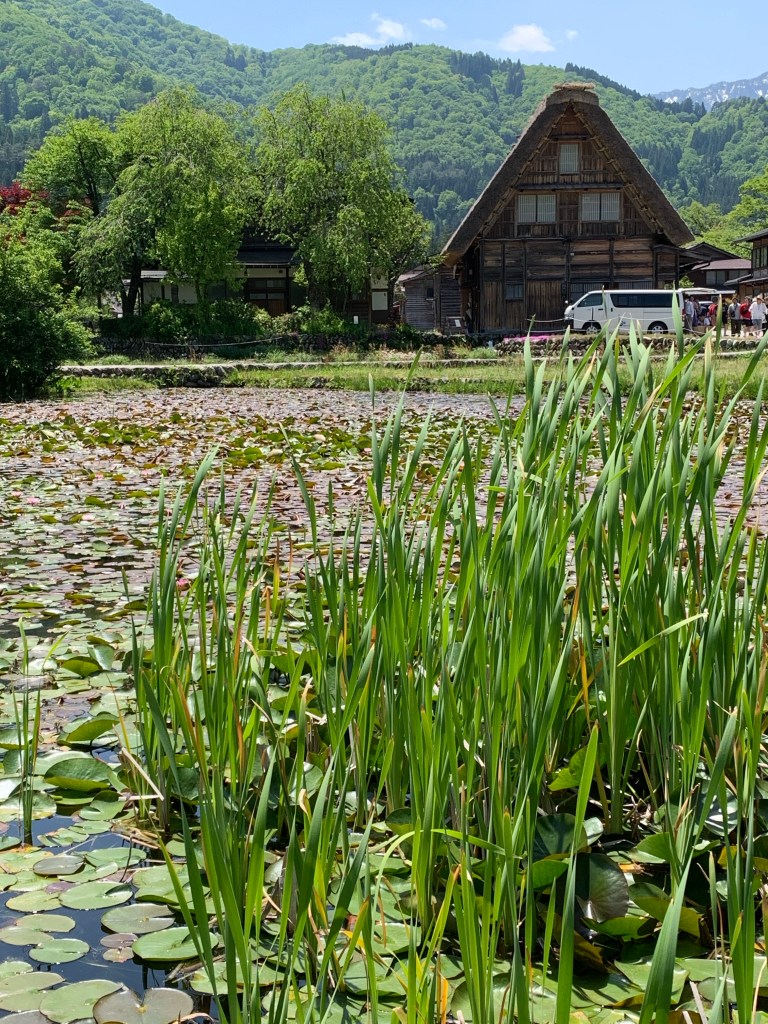
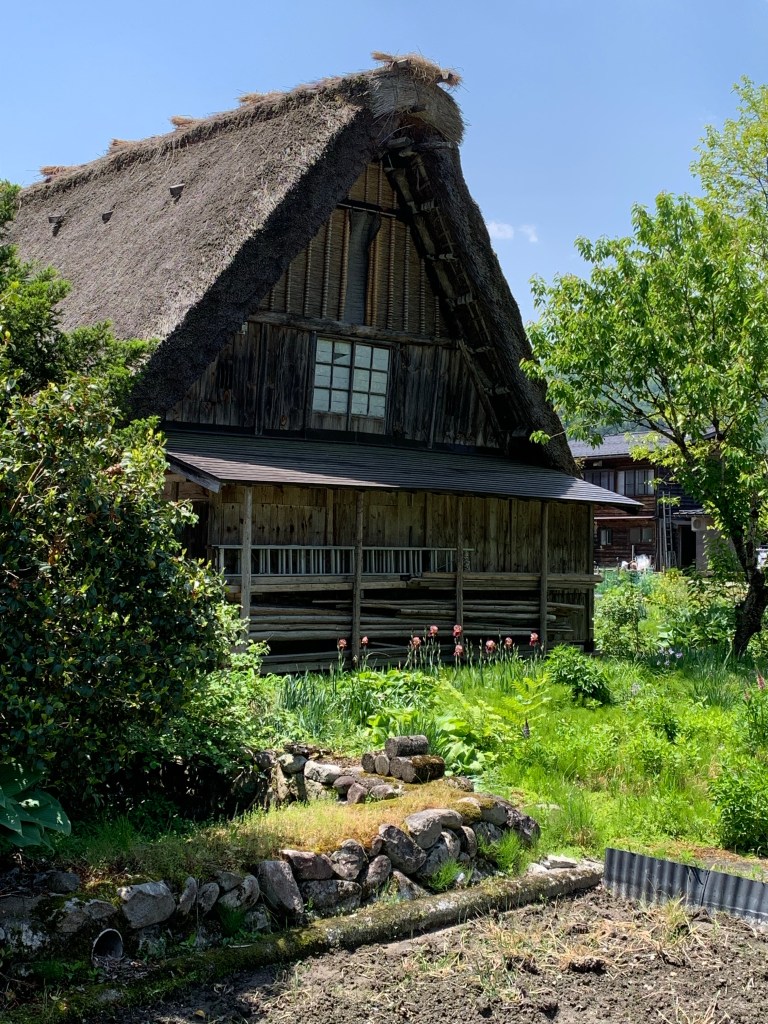
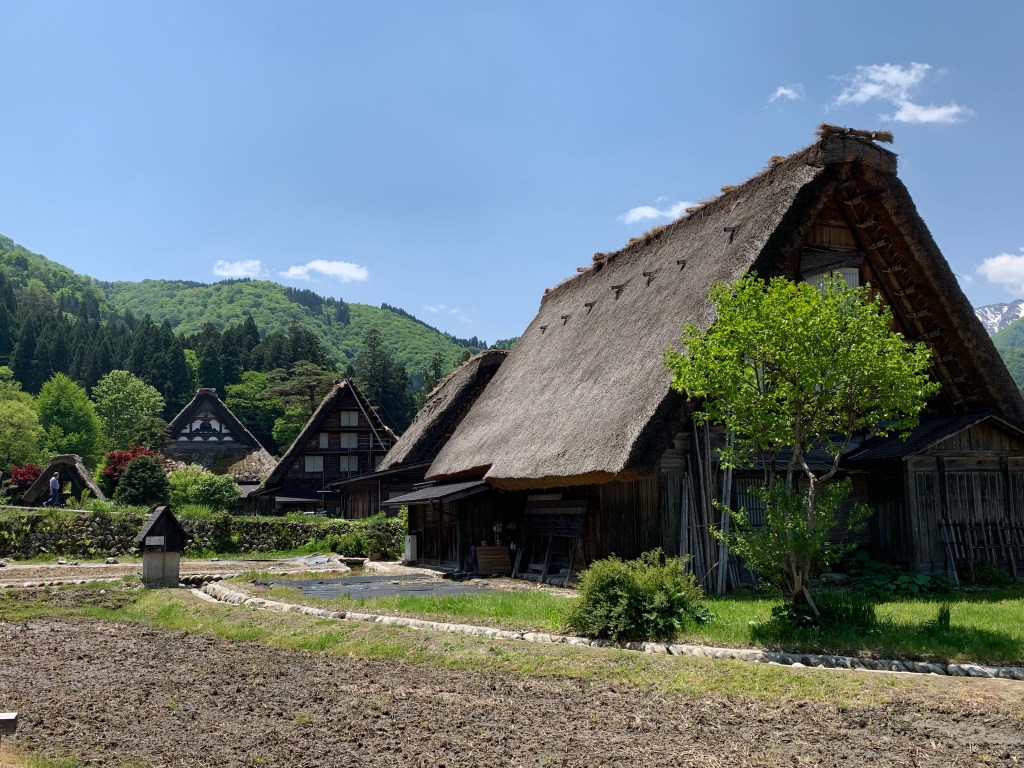
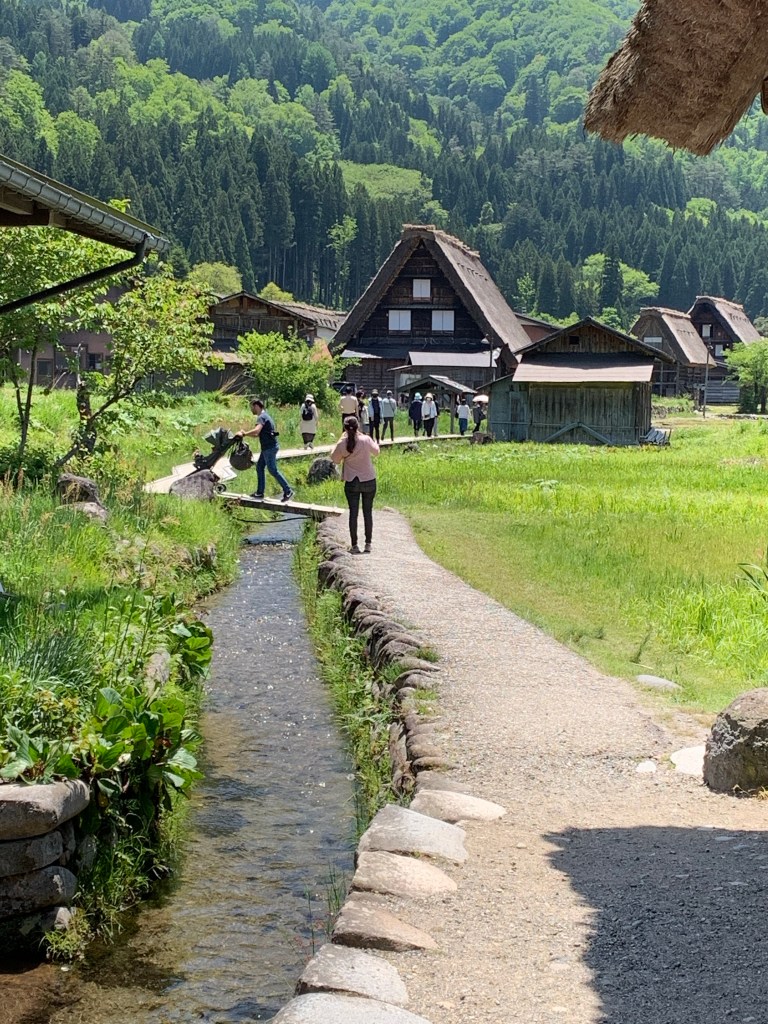
Shirakawago is UNESCO World Heritage site preserving and maintaining an example of a traditional Japanese farming village. In particular, the steep thatched roof 2-3 story house style called gassho-zukuri (praying hands) because of the silhouette.
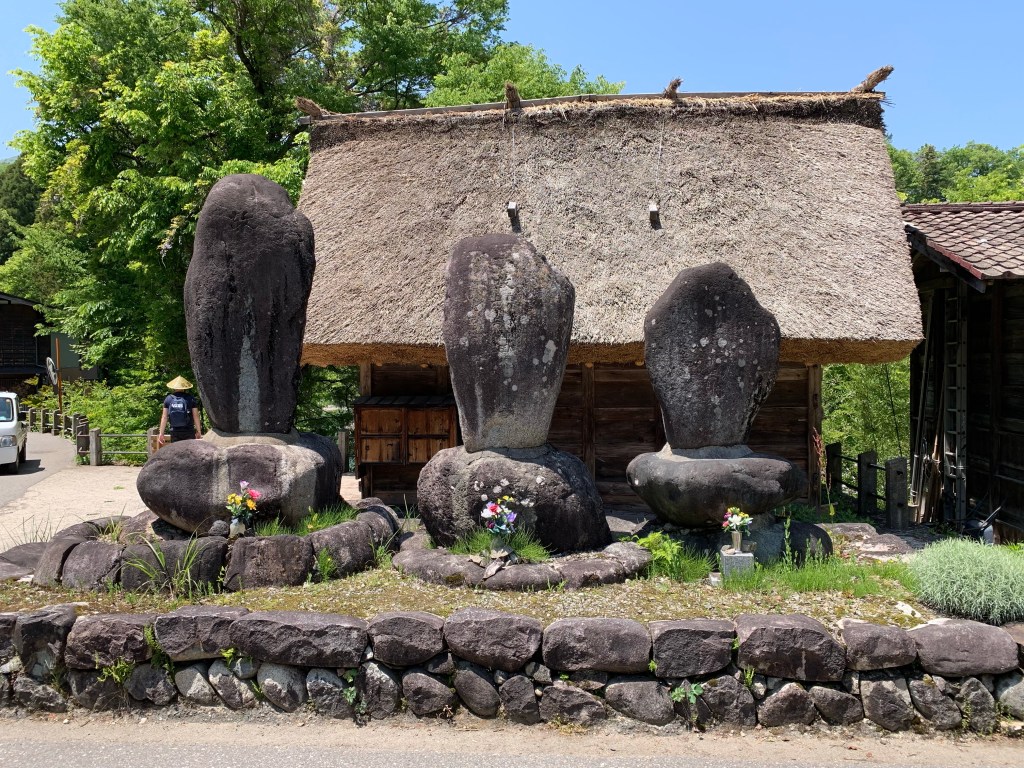
That said… Shirakawago is also a living, working village that people live in, and also a well-known tourist spot. So the feeling of traditional village is a bit diminished by the throngs of tourists, mini-cars driving by, periodic snack/souvenir shops and the mostly non-traditional housing styles that outnumber the traditional ones. We had previously visited a “living museum” Hida no Sato in Takayama, and I learned more and got a better sense of place from there, as you could go in all the buildings and it was a more consistently historic feeling.
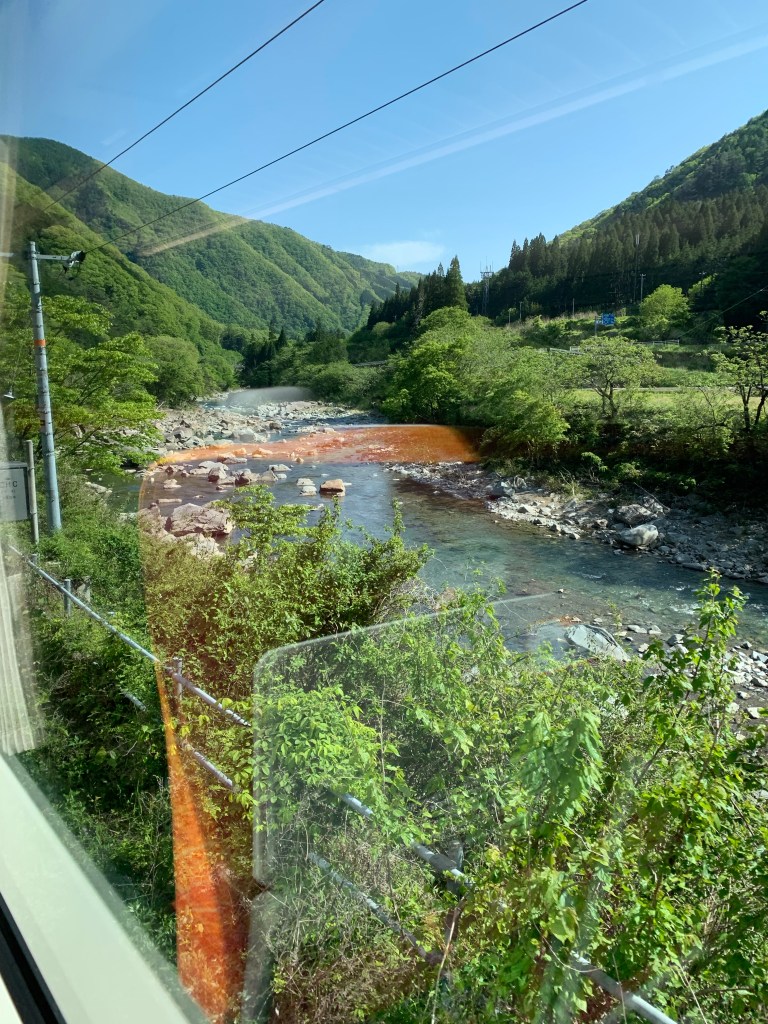
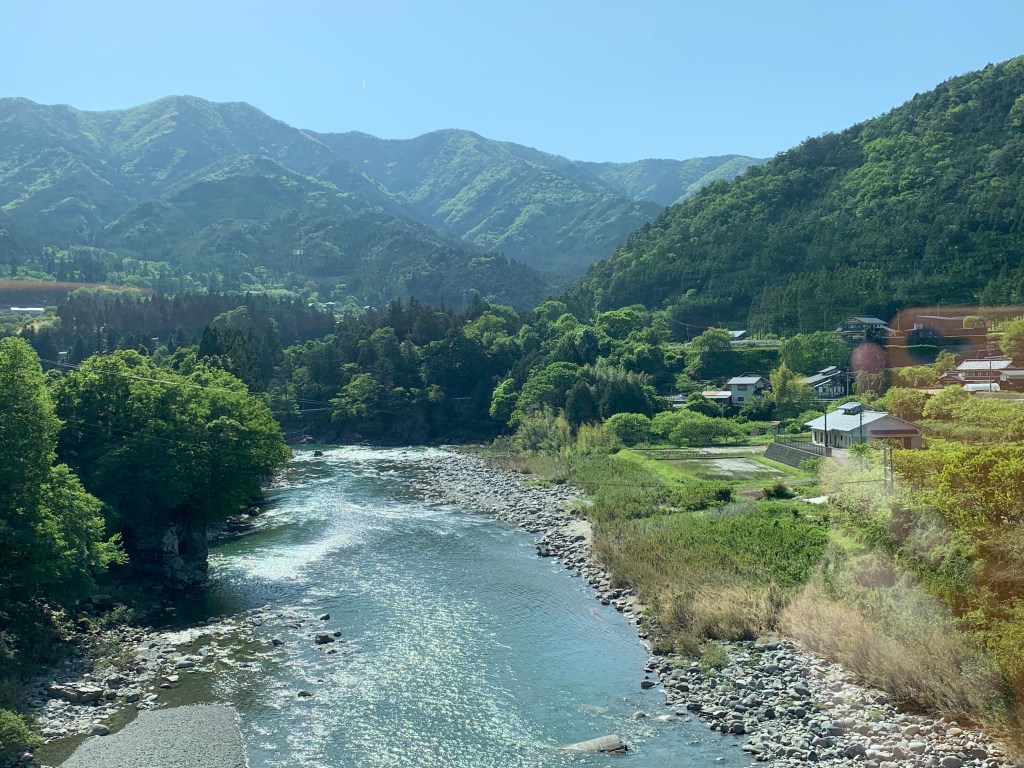
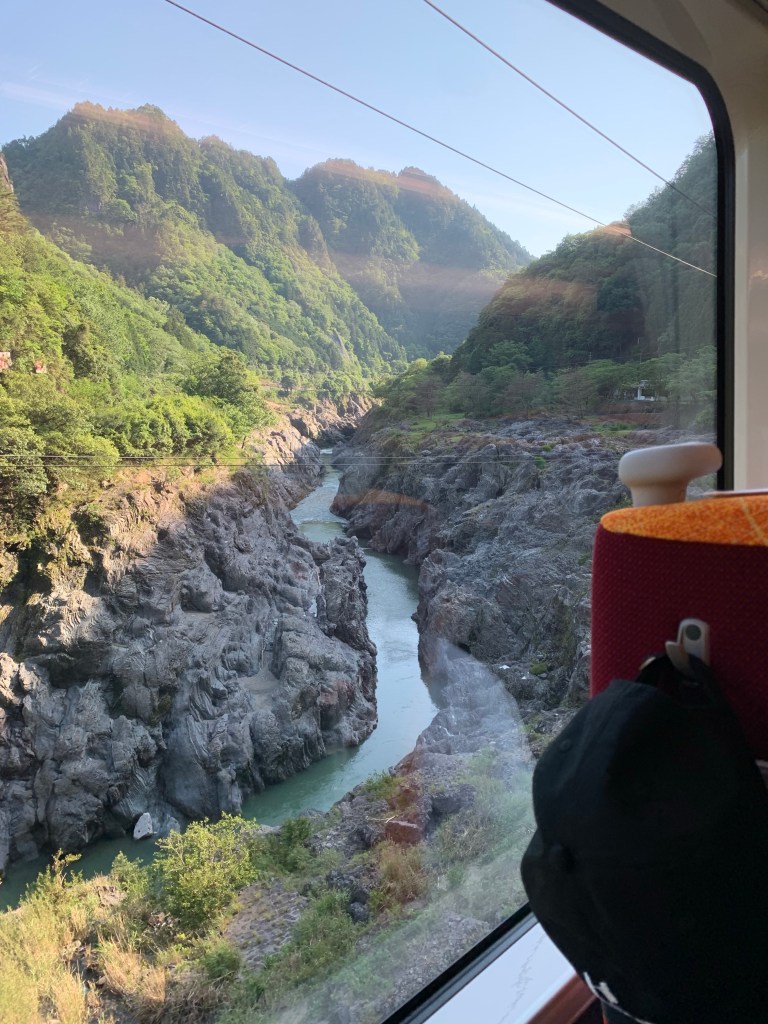
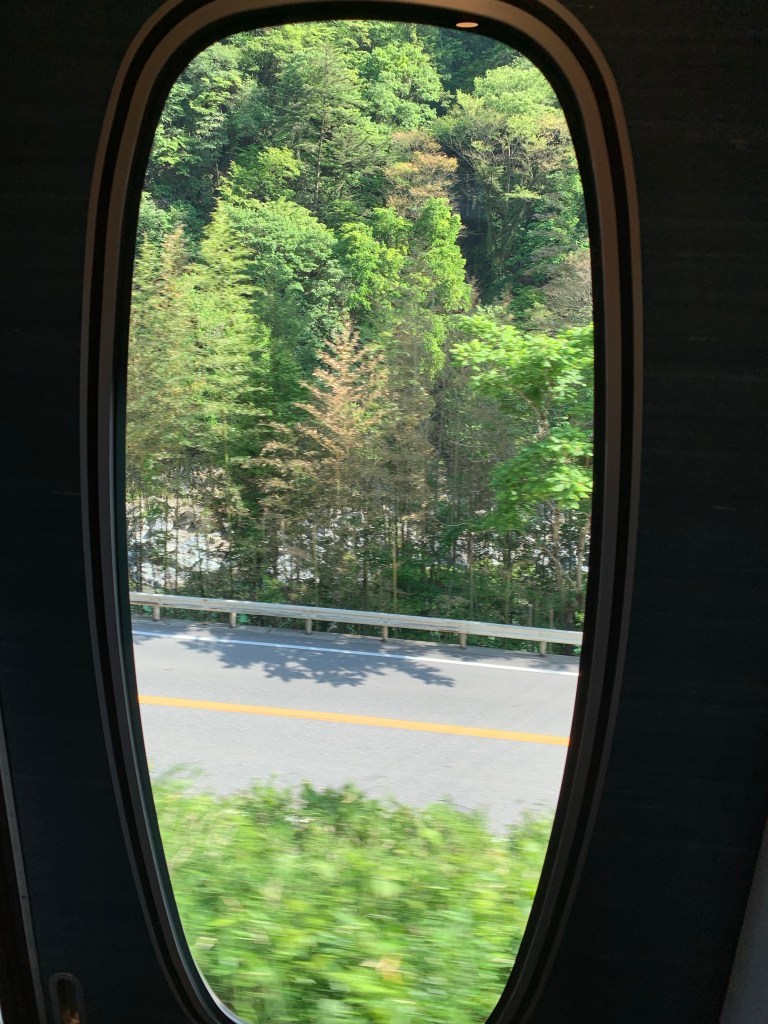
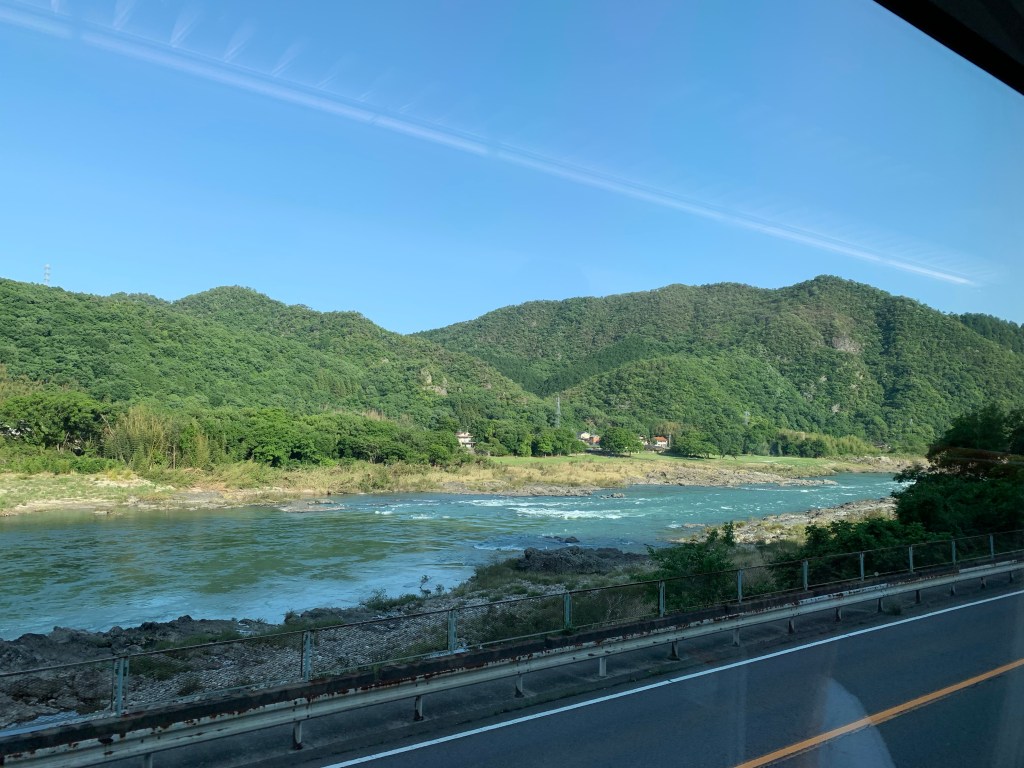
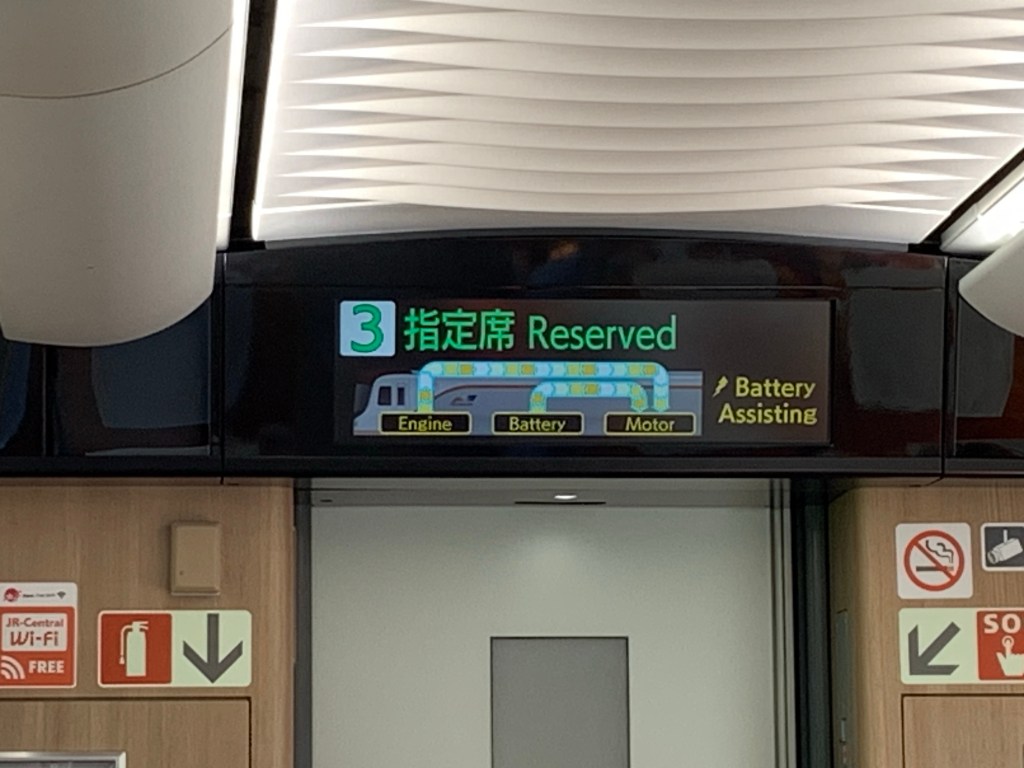
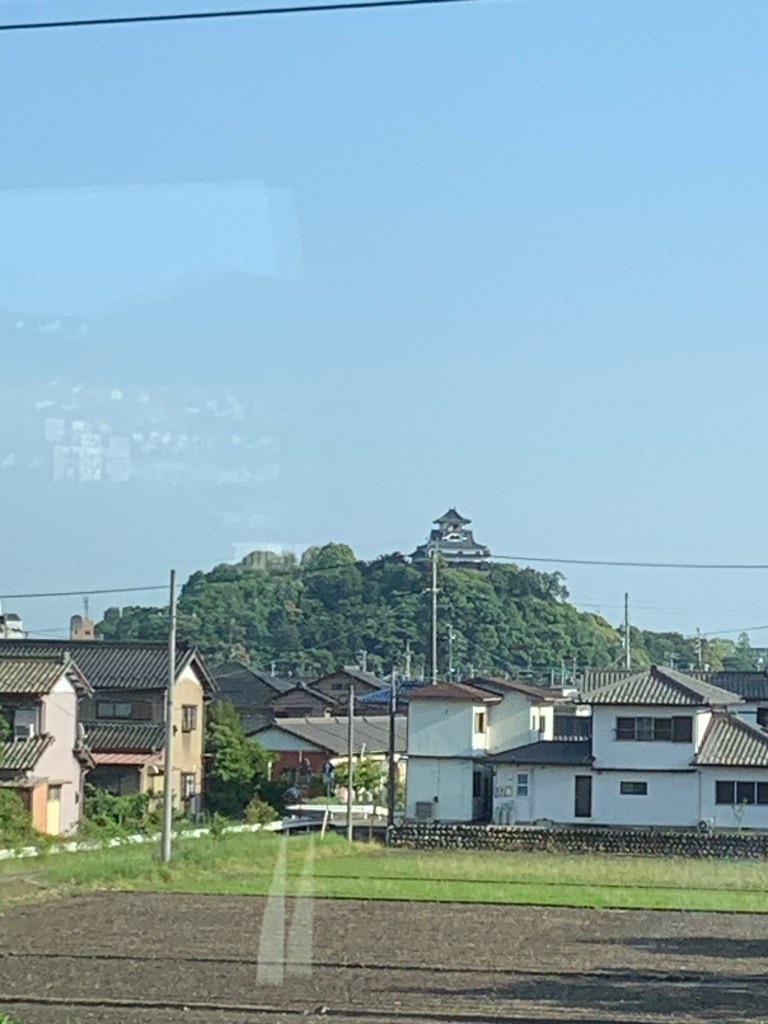
From here, we took a bus to Takayama, then one of my all-time favorite train journeys, from Takayama to Nagoya. The train follows a turquoise-colored river through some very scenic valleys and rocky gorges, which my through-the-window snapshot skills probably didn’t capture well.
The next few days we’ll be in Nagoya (more on that tomorrow) and taking a bit of a breather before diving into Kyoto.
 Out and About