Today we did a bit of wandering around the neighborhood, and a little shopping, before heading to the Fushimi Inari Taisha grand shrine.
Out hotel is in more of a business district of Kyoto, and while the city is treasured for the temples and shrines and machiya (townhouses) in Edo-period style, there are some hidden gems of Meiji-period European-style buildings dotted around the side streets.
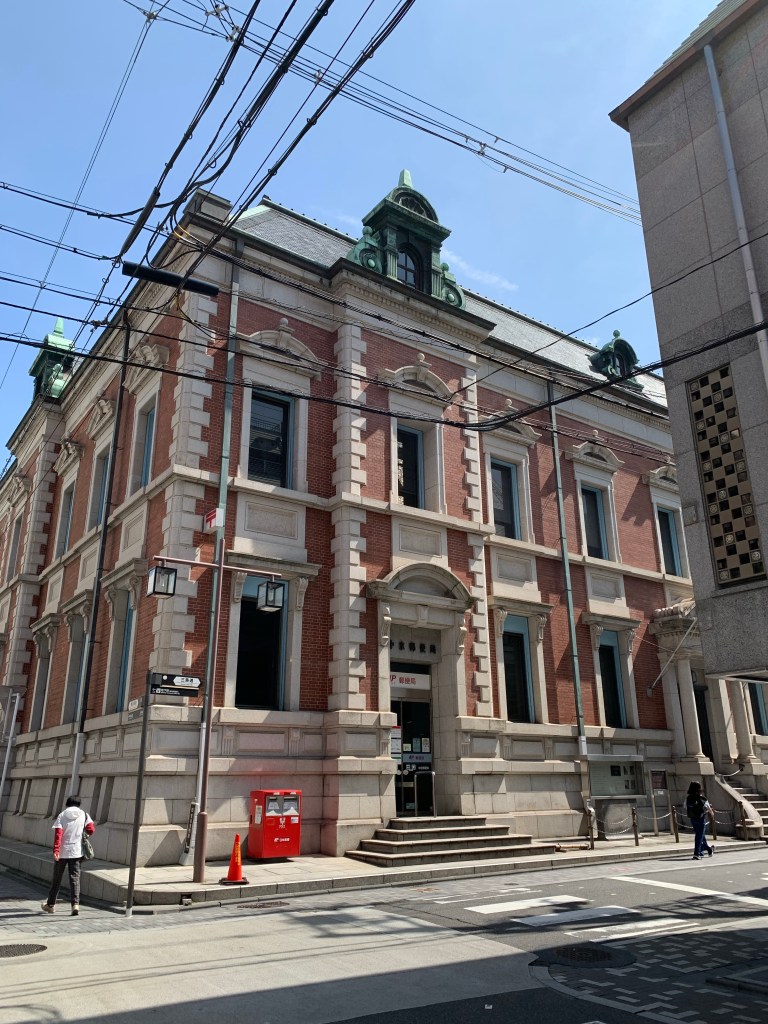
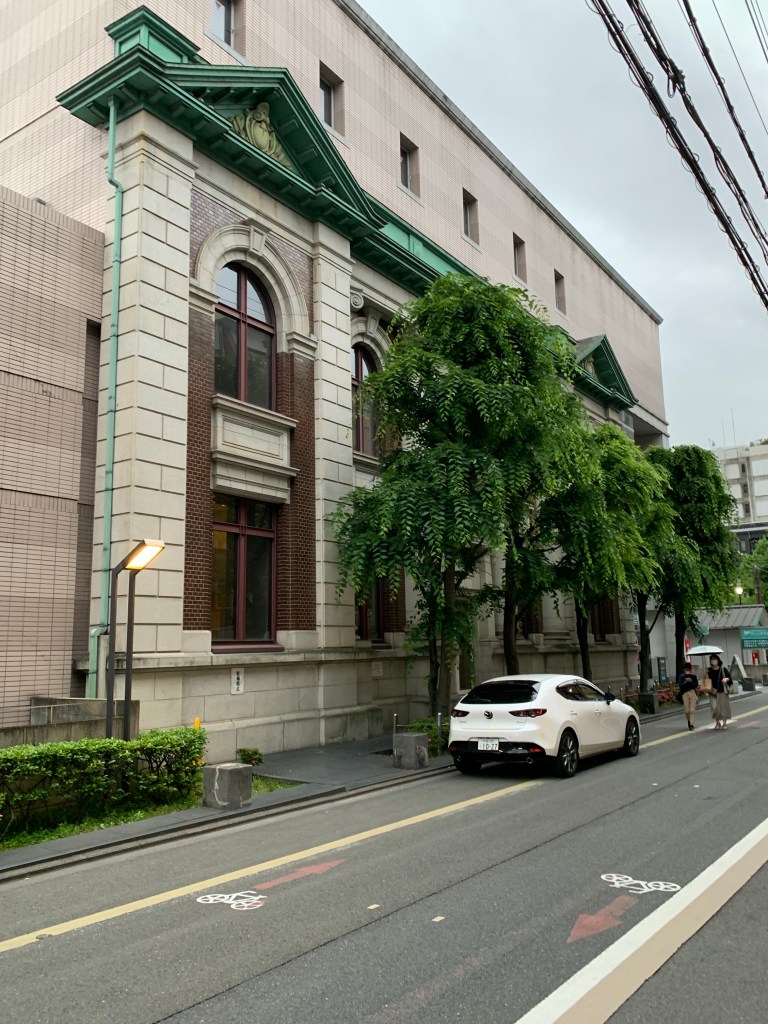
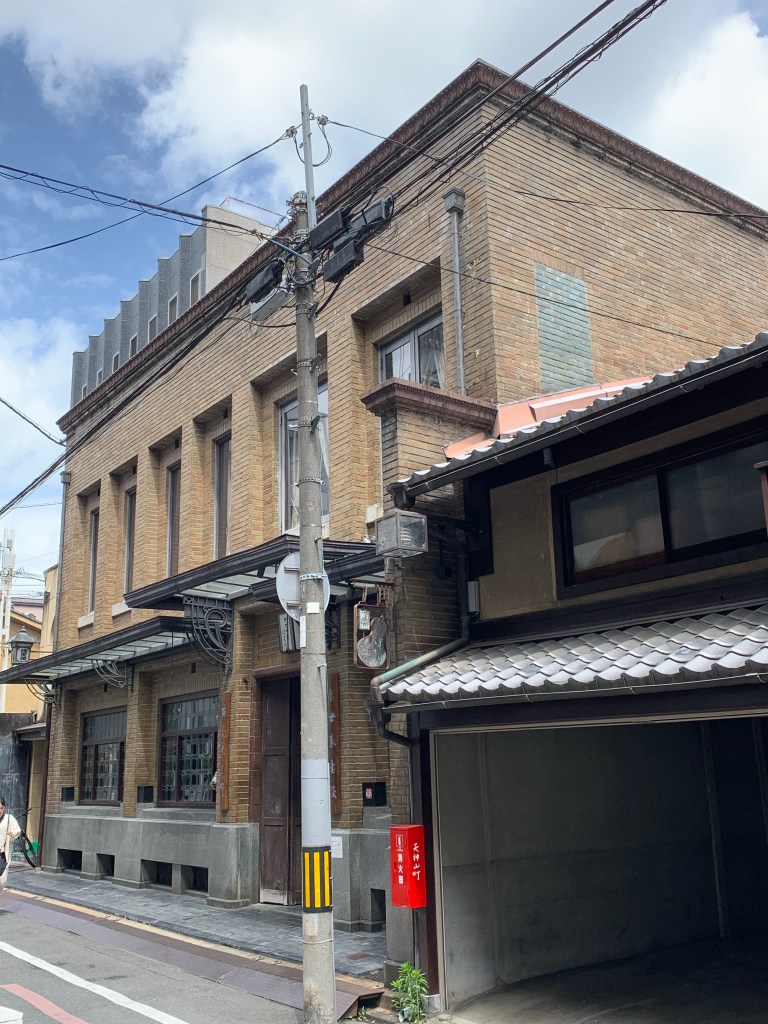
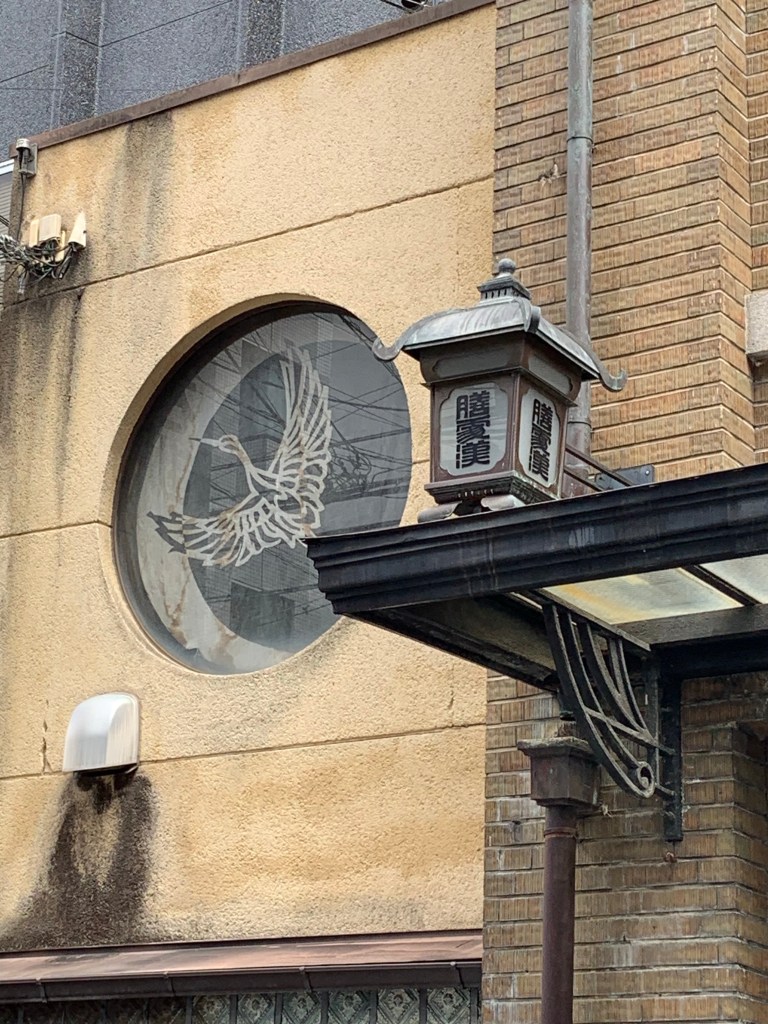
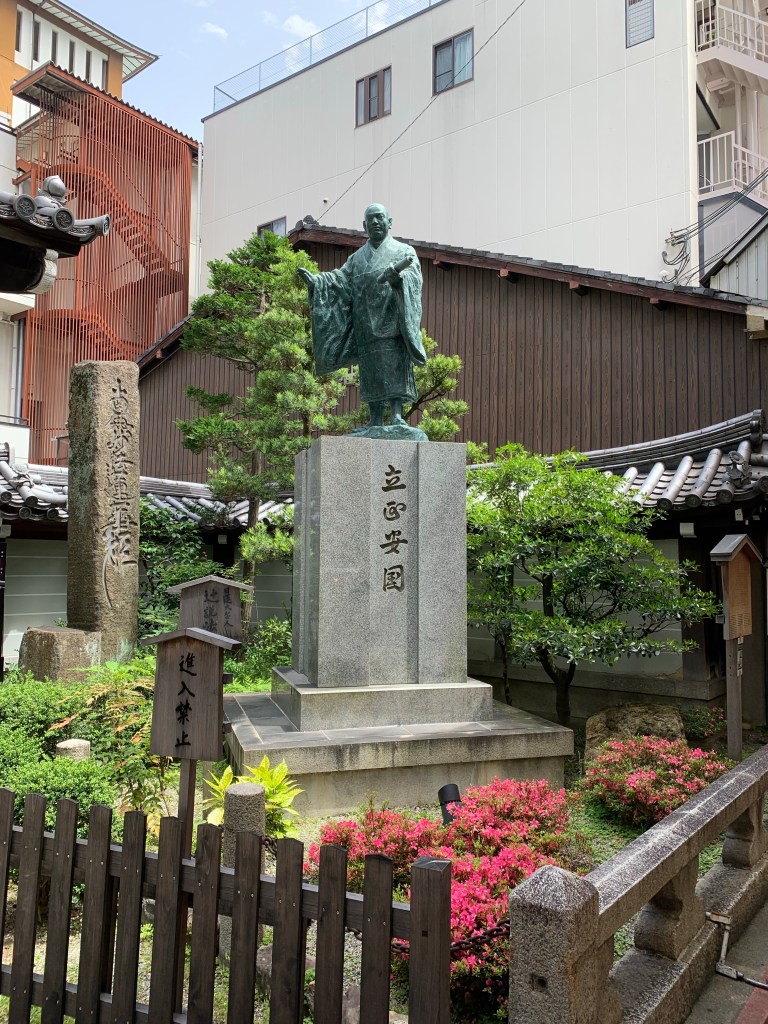
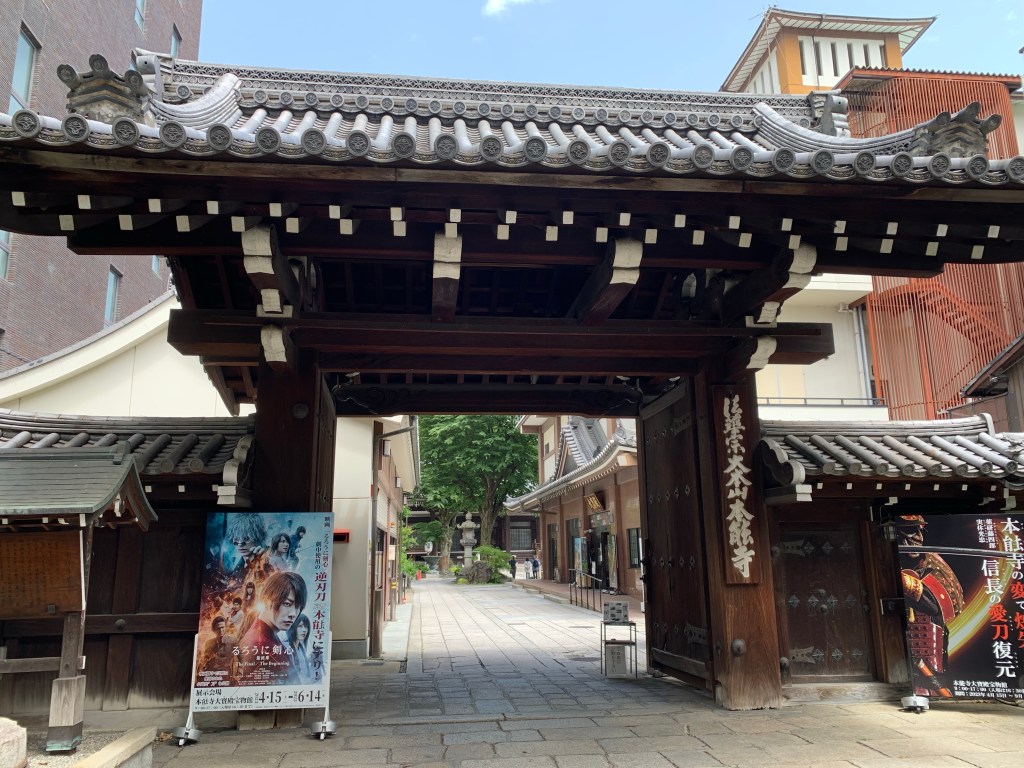
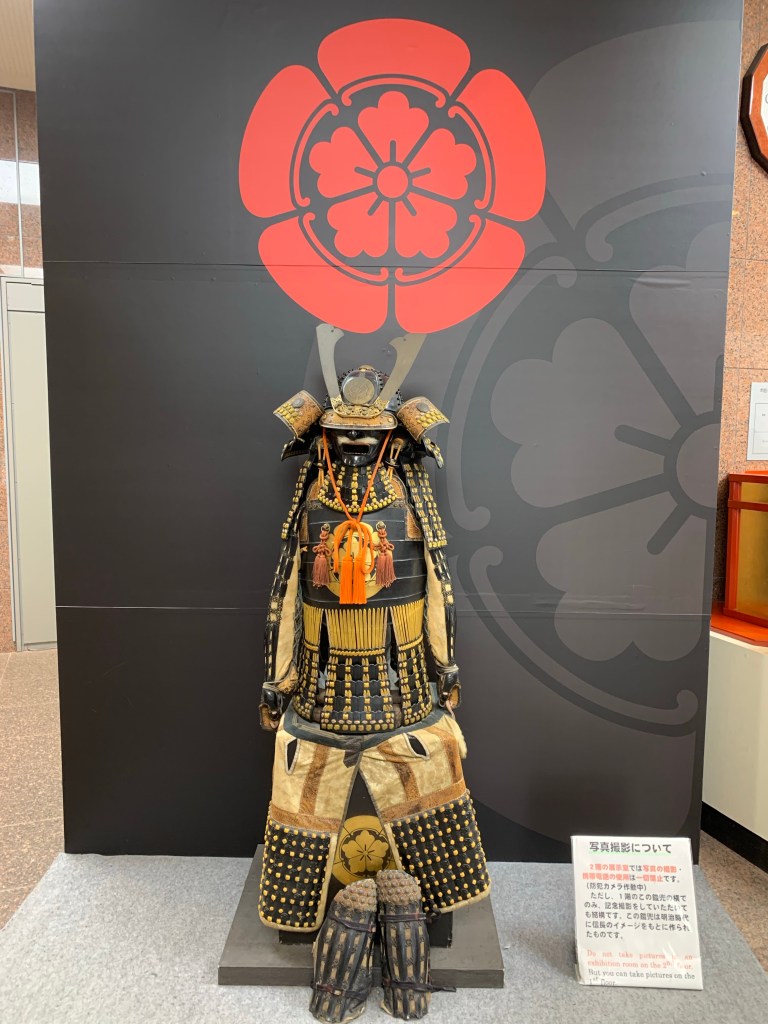
On our way to shopping we stopped in at Honno-ji, a temple famous for being where warlord Oda Nobunaga was ambushed by a turncoat lieutenant. He ended up committing suicide as th building burned down around him, ending his attempt at consolidating Japan. There was an excellent small museum of artifacts (letters, paintings, pottery, swords) relating to Nobunaga and/or the history of the temple, but pictures were not allowed.
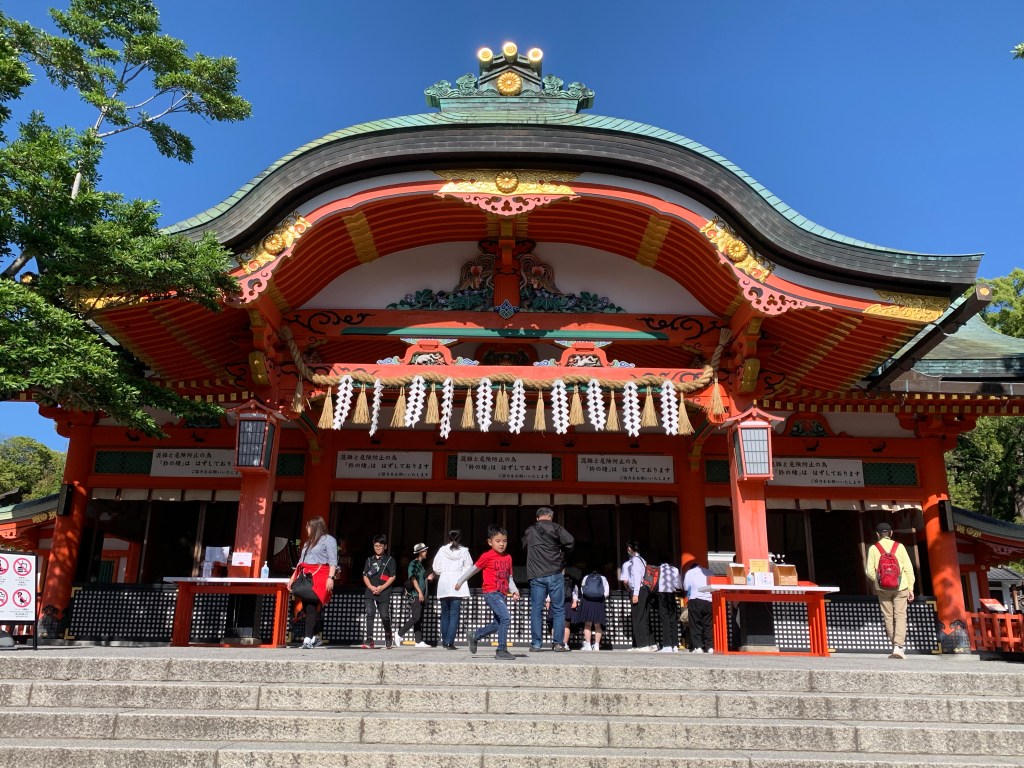
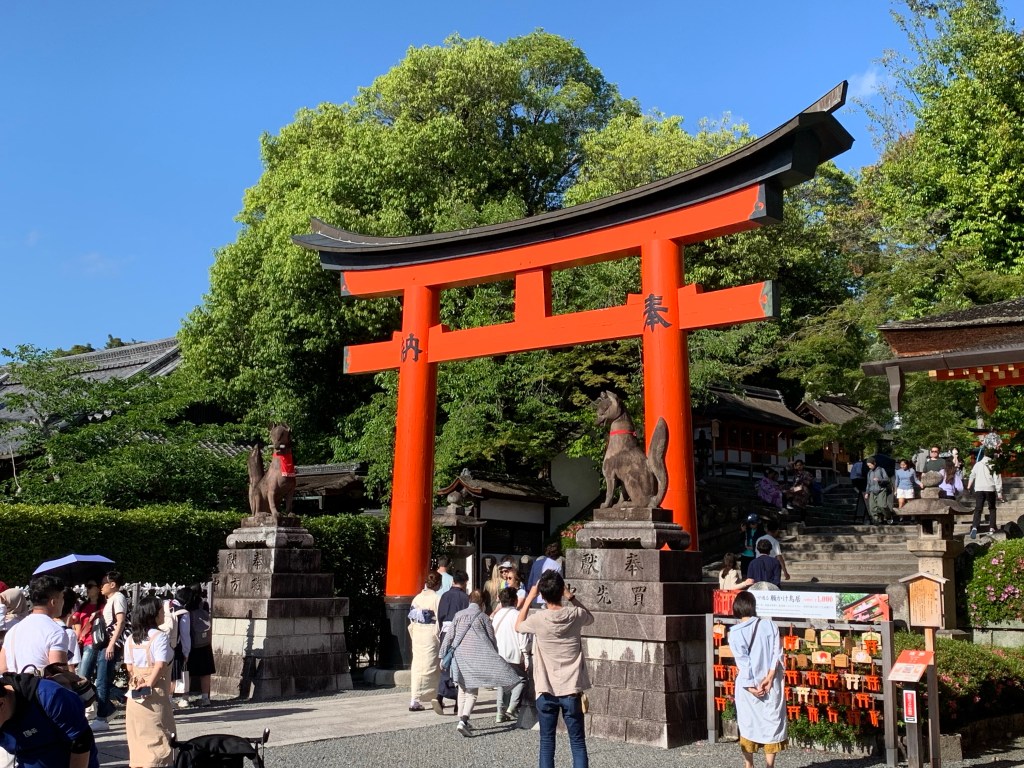
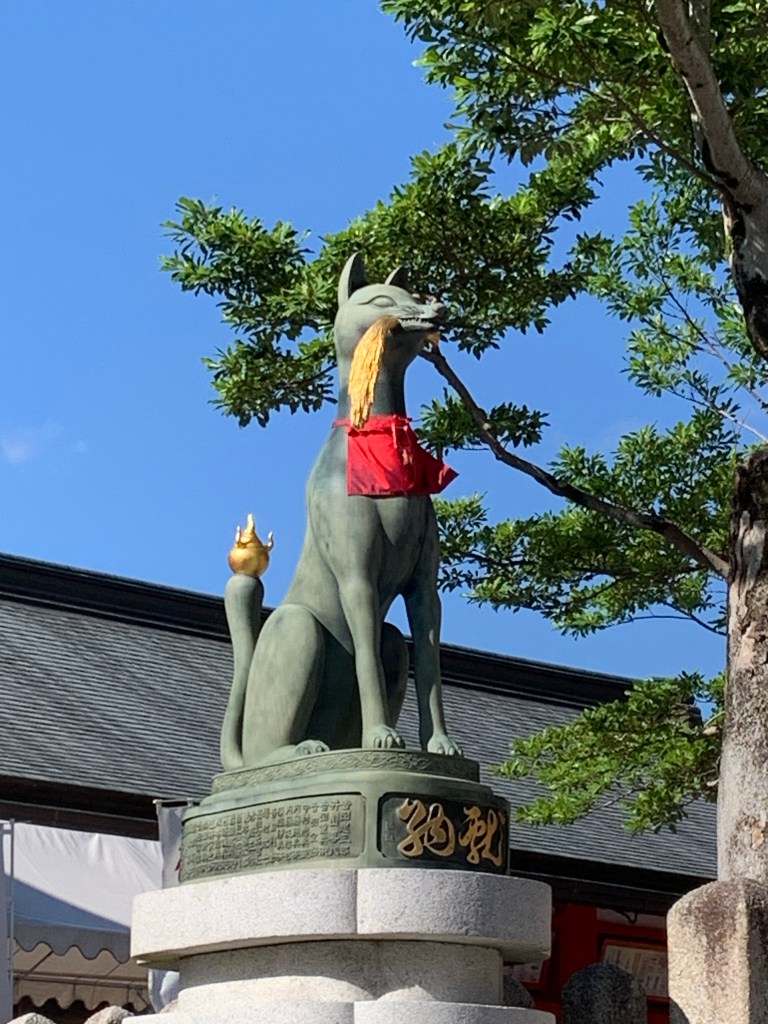
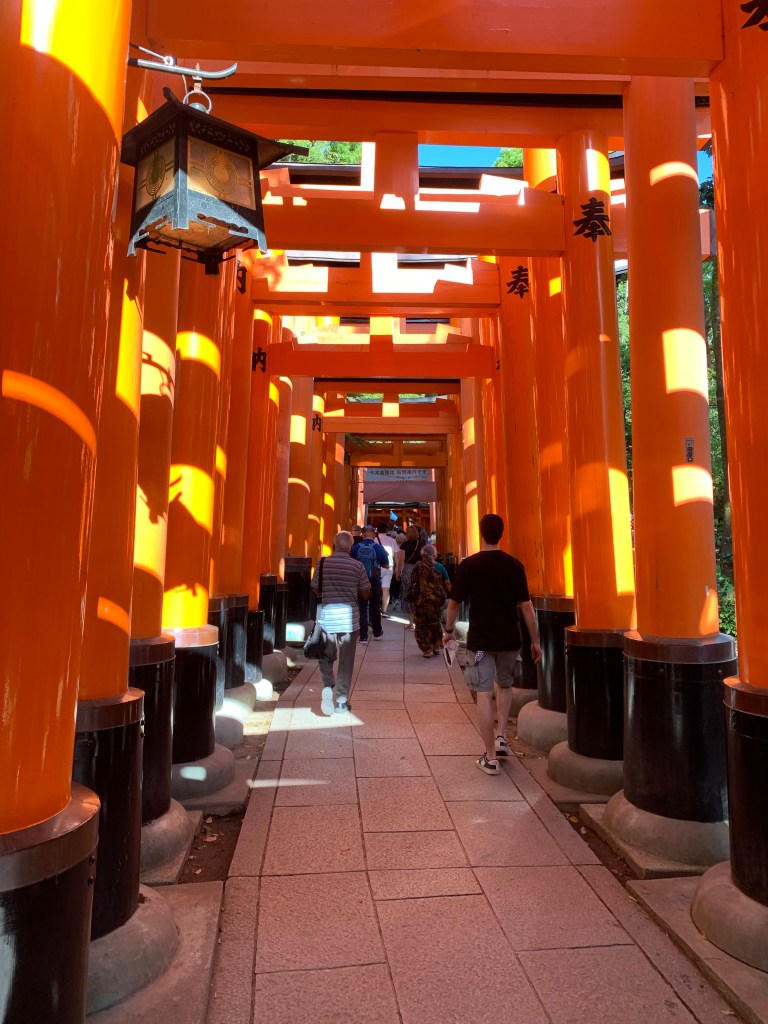
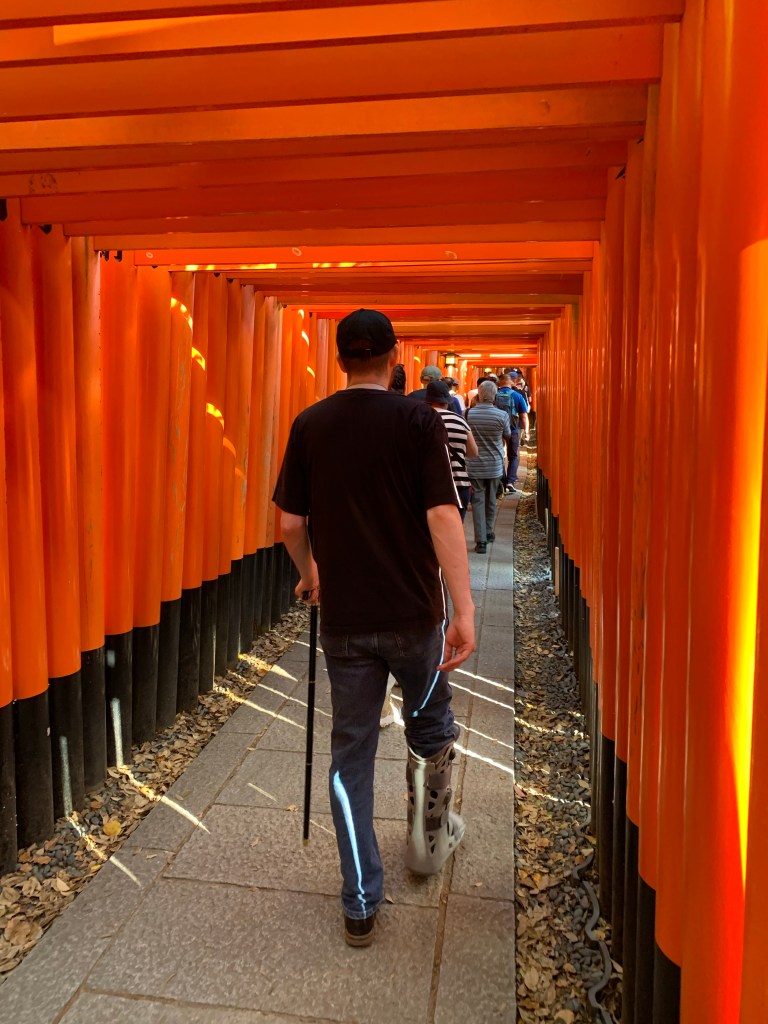
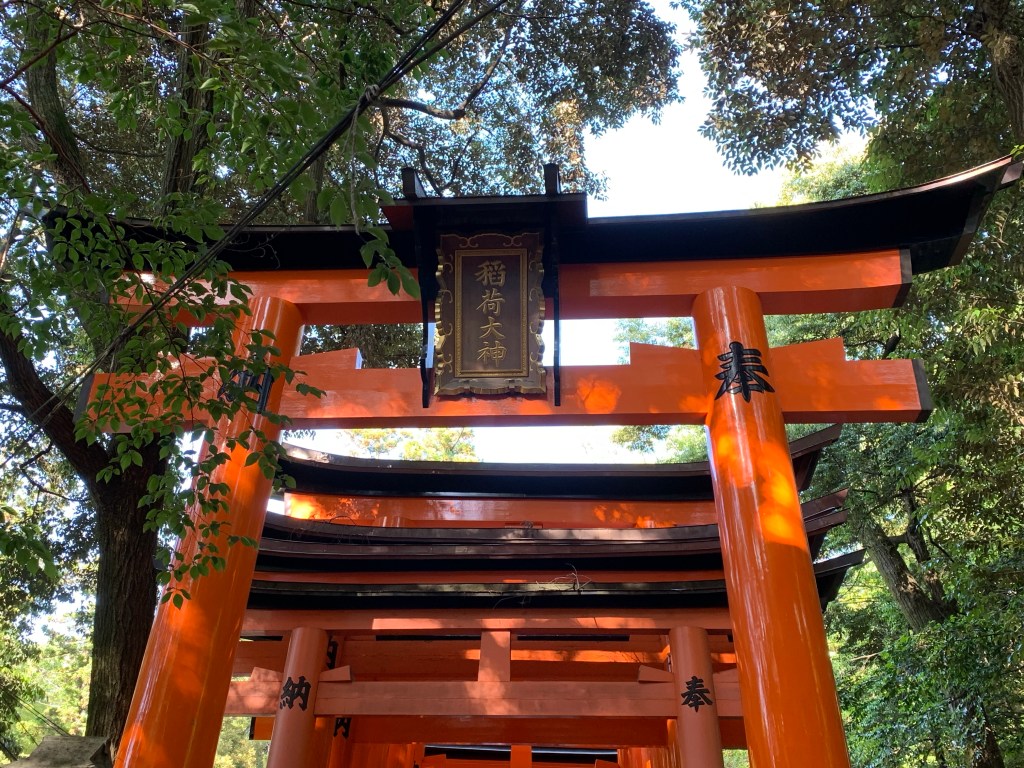
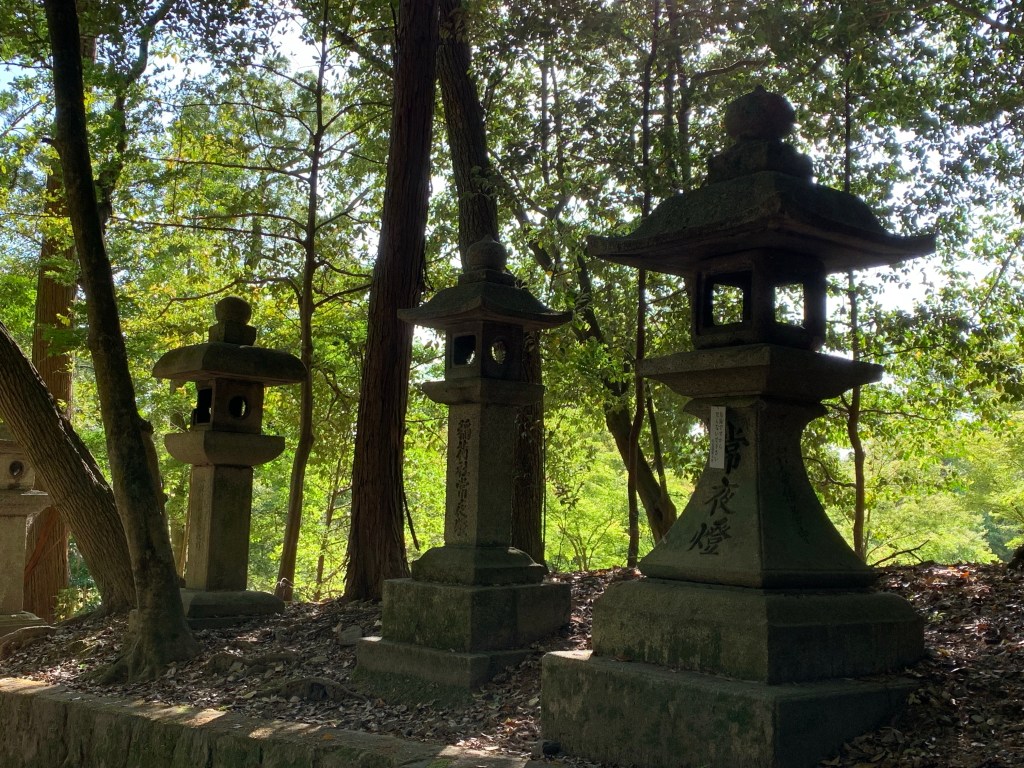
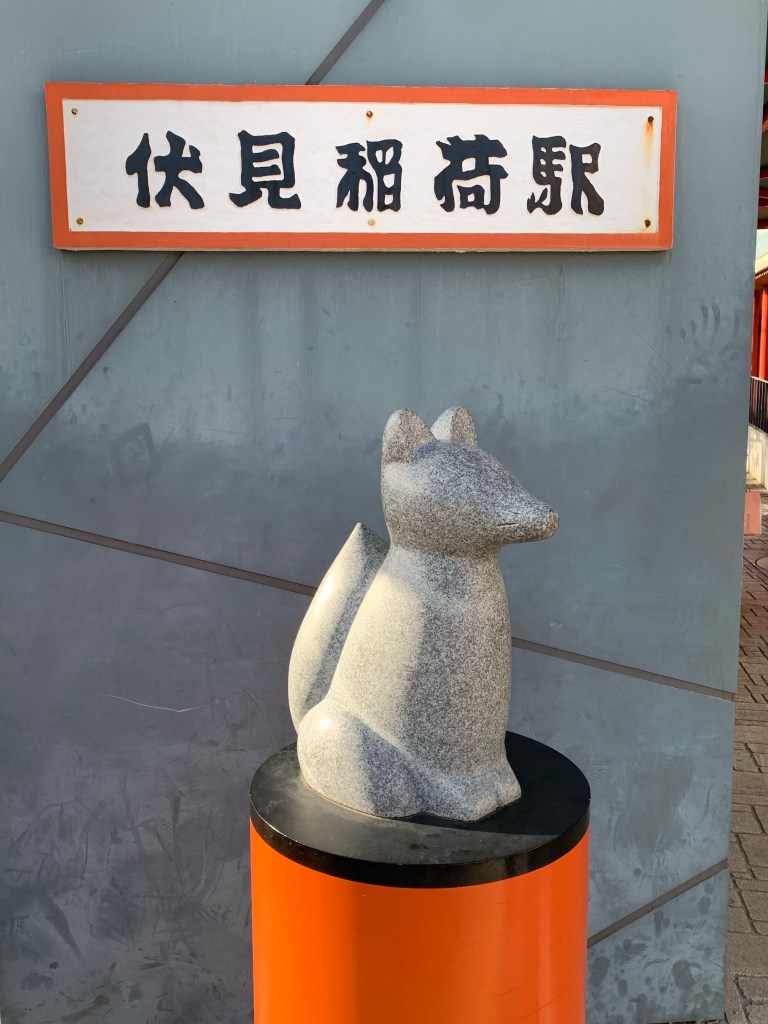
After some shopping on the covered shotengai (shopping street), we took the train down to Fushimi Inari Taisha, the head shrine for worship of Inari, the kami of (rice) harvest and prosperity. It’s another of the top tourist attractions in the area so there were lots of people, and festival-type food vendors set up along the way to the shrine.
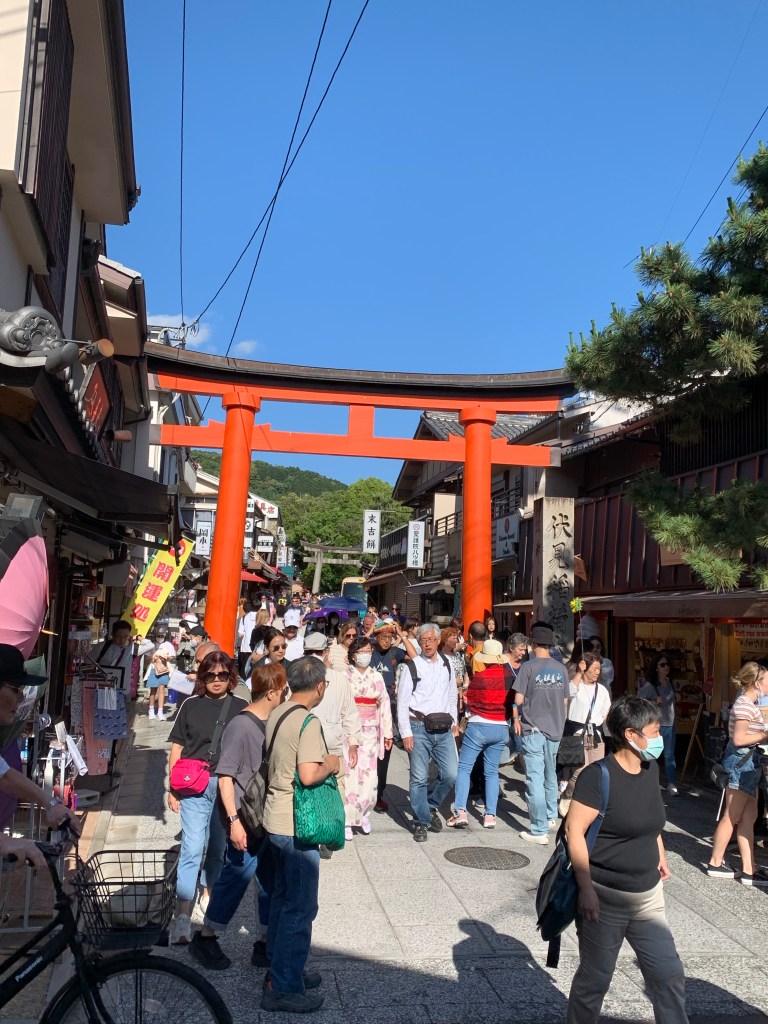
The main attraction is a pathway lined with hundreds of torii gates purchased by individuals and companies to petition for good fortune. Not much is written on the front, but on the back is the name of the donor and when it was installed.
 Out and About