Nagoya is Japan’s fourth largest city, after Tokyo (the runaway winner), Yokohama, and Osaka. But it’s mainly a city you’d go to for business, not as a tourist. So why are we here?
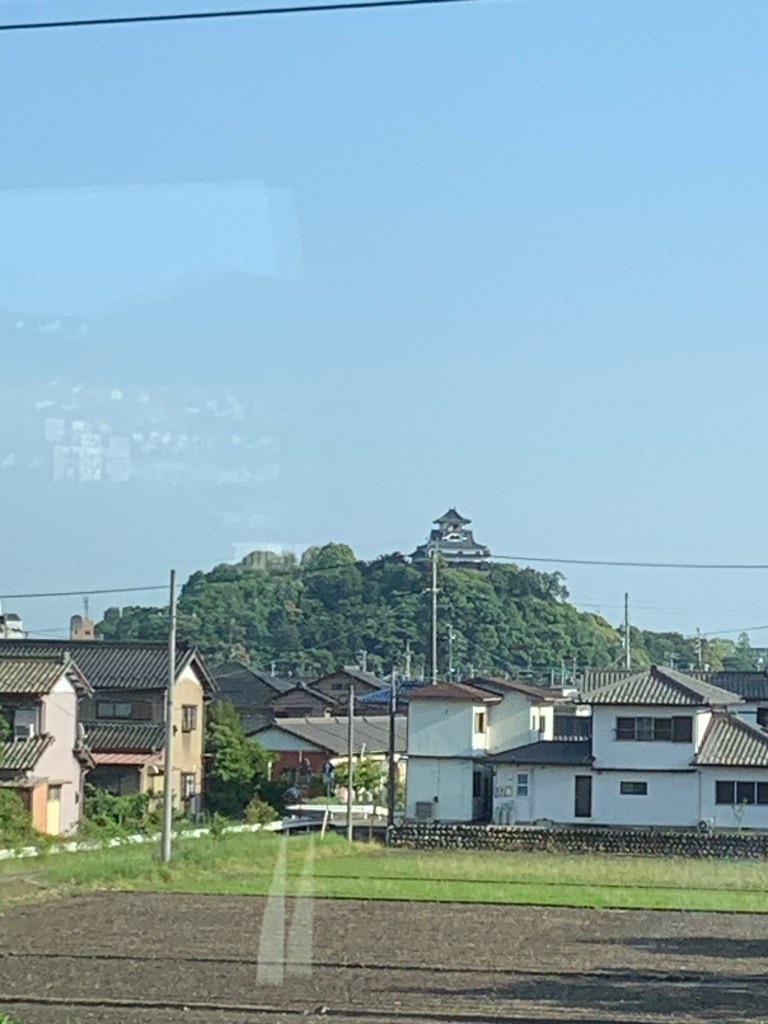
A central theme of our trip is castles, and while limited examples remain around Nagoya and Aichi prefecture, this is where daimyo Oda Nobunaga started on his path to unifying Japan under his rule, as the Oda clan territory was in this area. Also, northwest of the city is where Oda’s eventual successor Tokugawa ended the long road to unification with the large, decisive battle of Sekigahara.
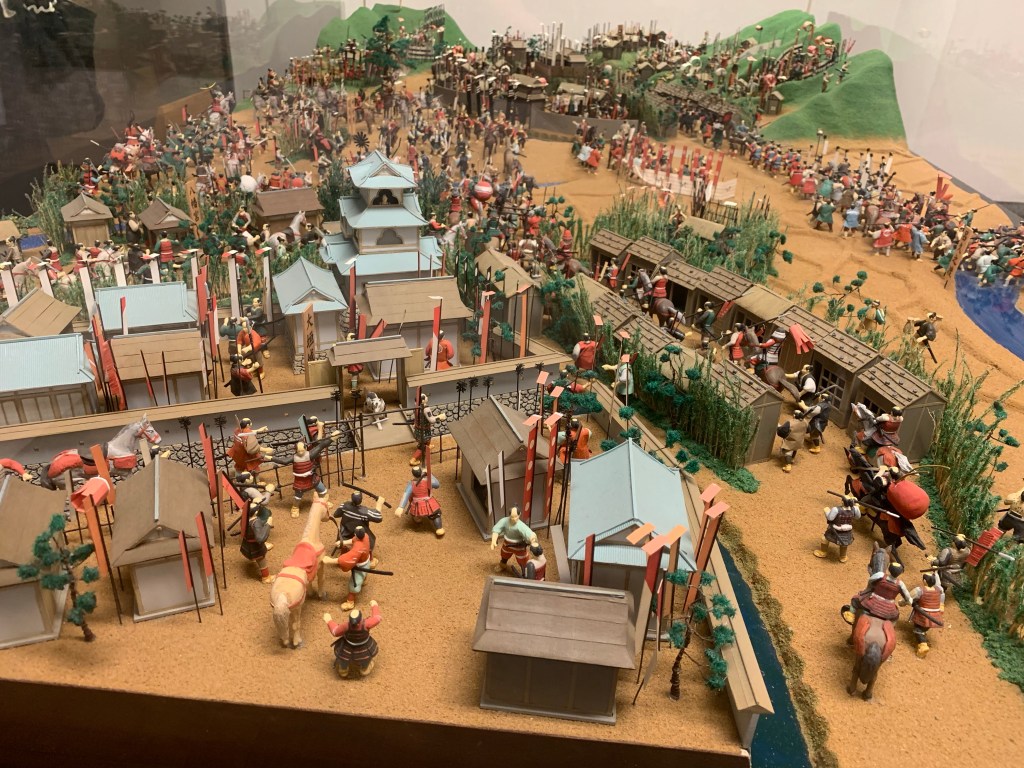
A town/castle that featured in the run-up to Sekigahara was Ogaki, northwest of Nagoya and southeast of where the final battle would be held. The “western army” under Ishida Mitsunari made Ogaki their base, as the “eastern army” under eventual shogun Tokugawa Ieyasu went around, taking Gifu castle to the northeast, before eventually marching west toward Kyoto, leading to the final battle (which, of course, he won).
Ogaki castle today is just a reconstruction that houses a museum of information about this period, with the castle grounds now mainly a park.
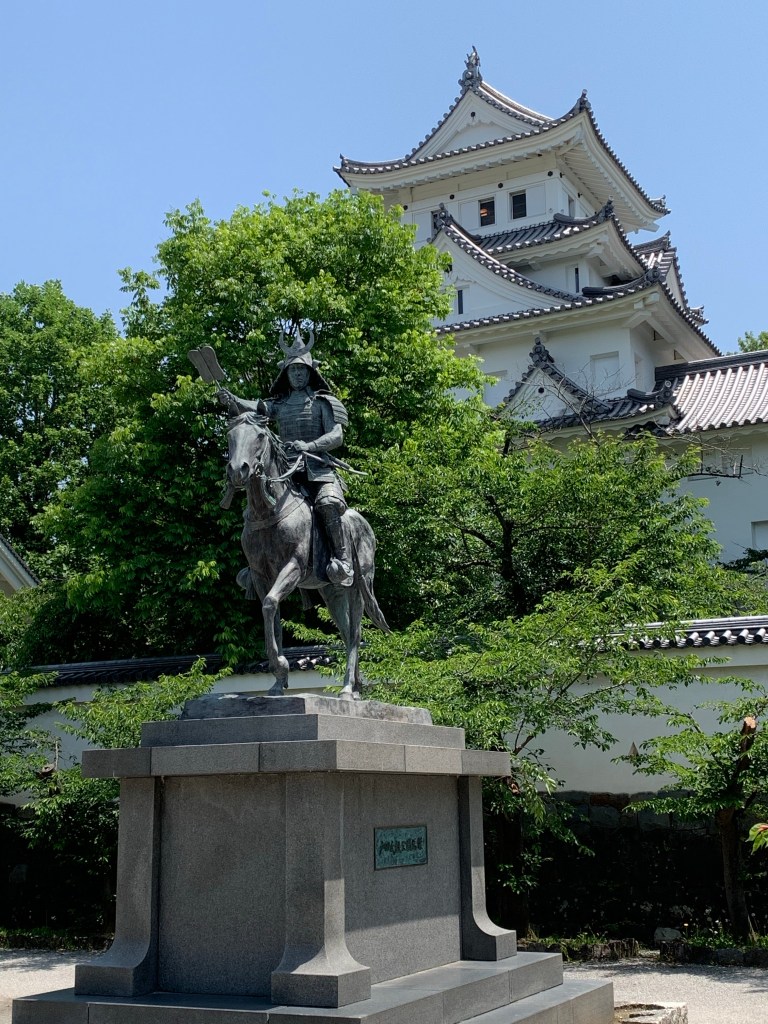
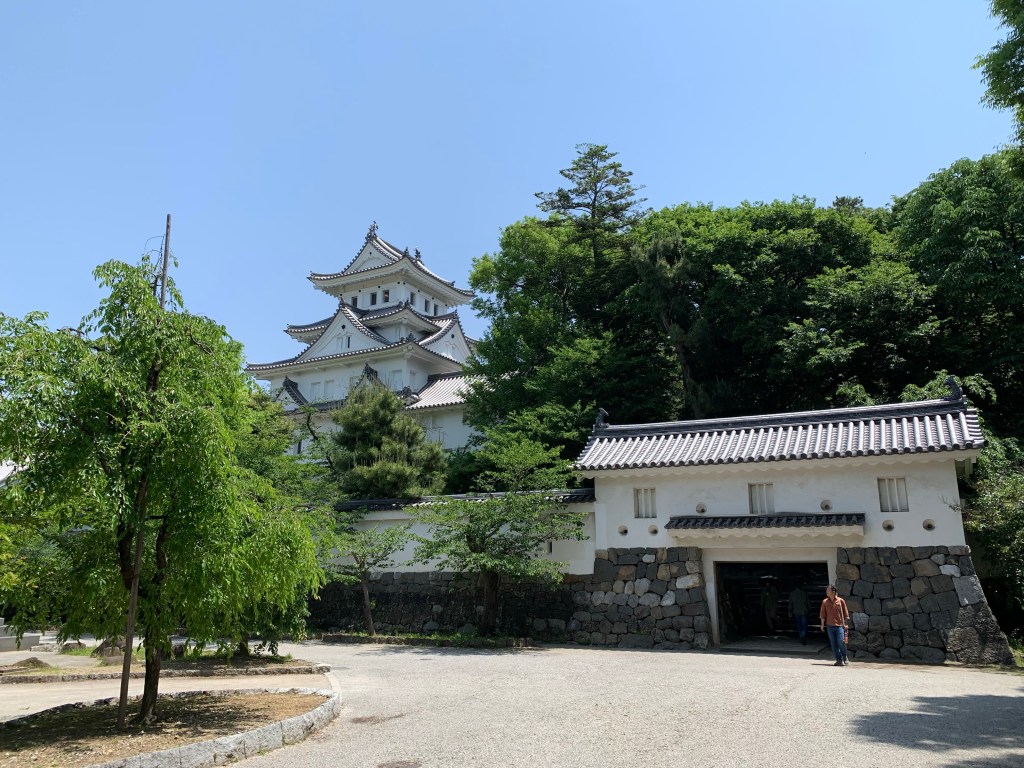
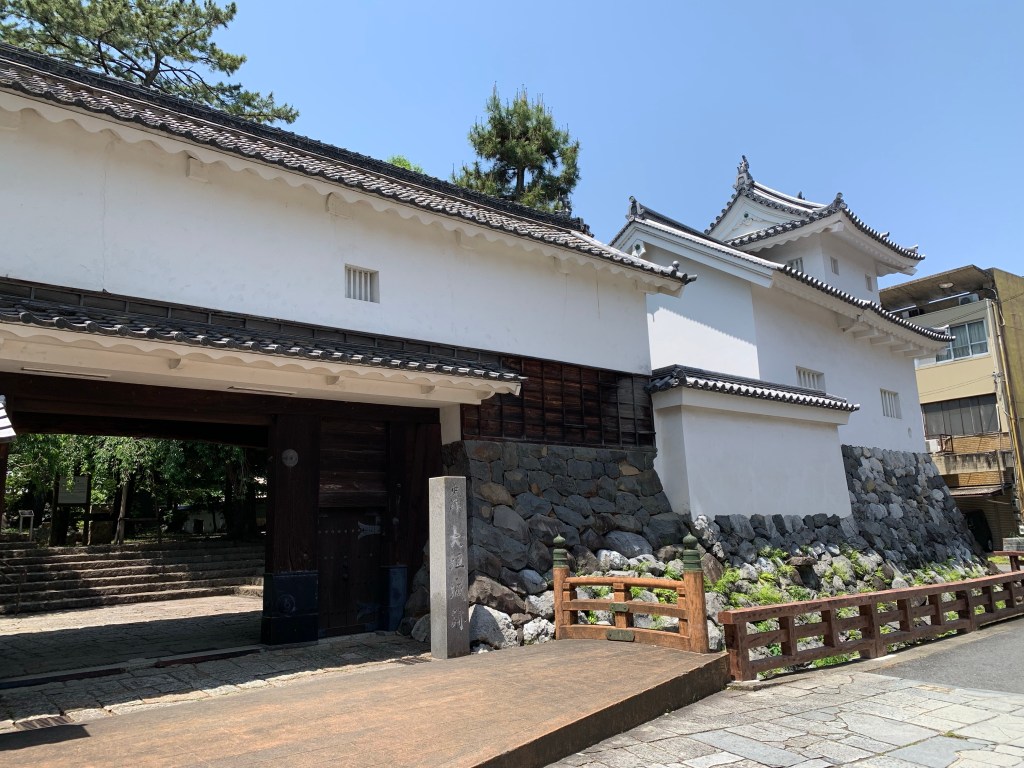
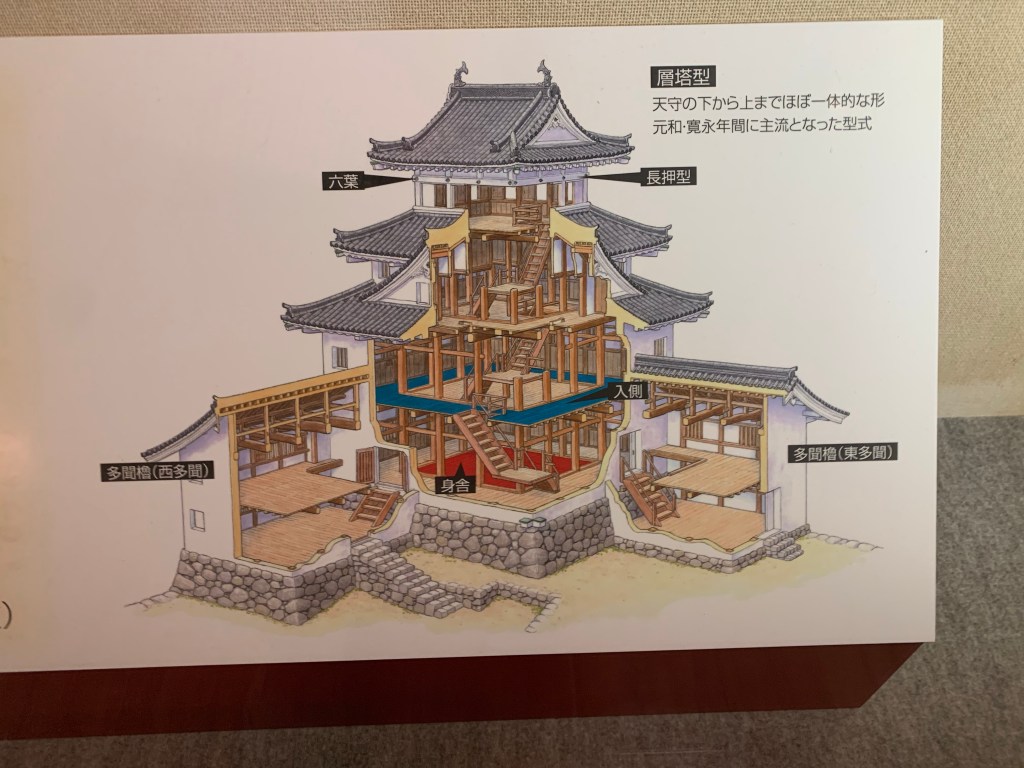
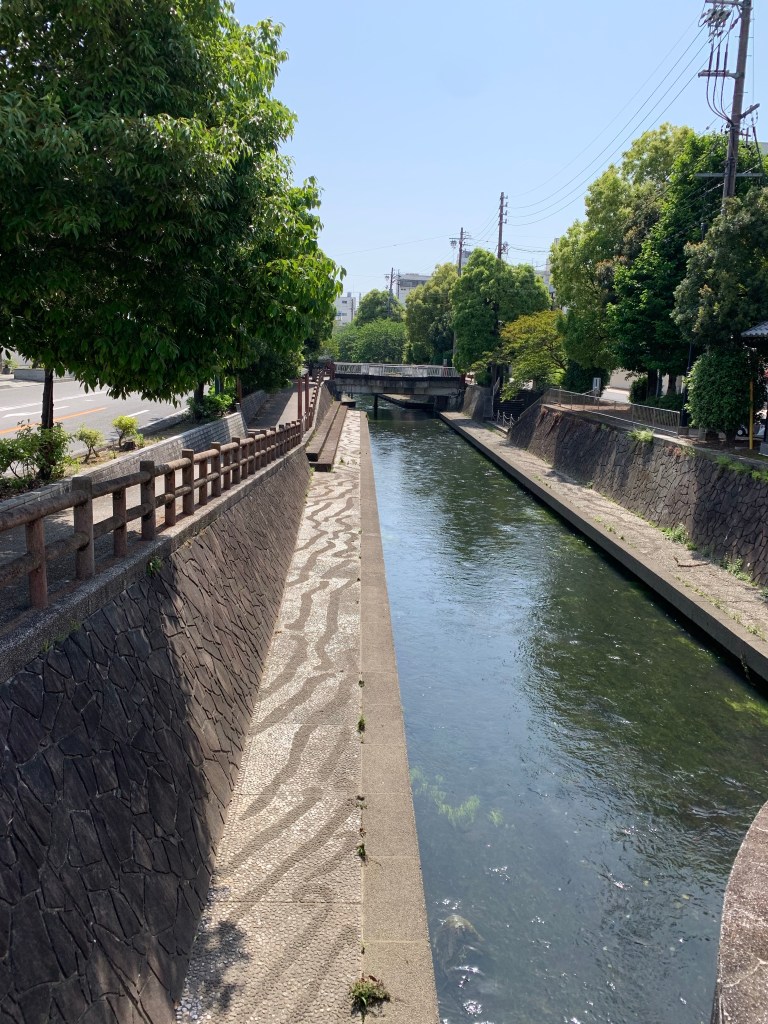
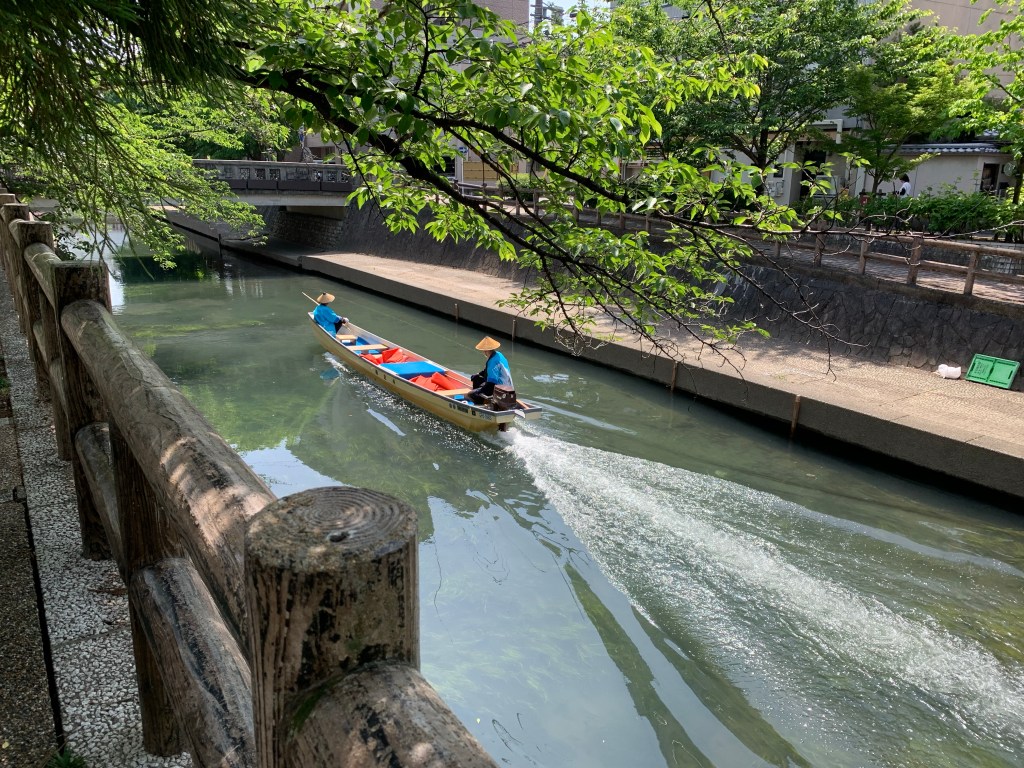
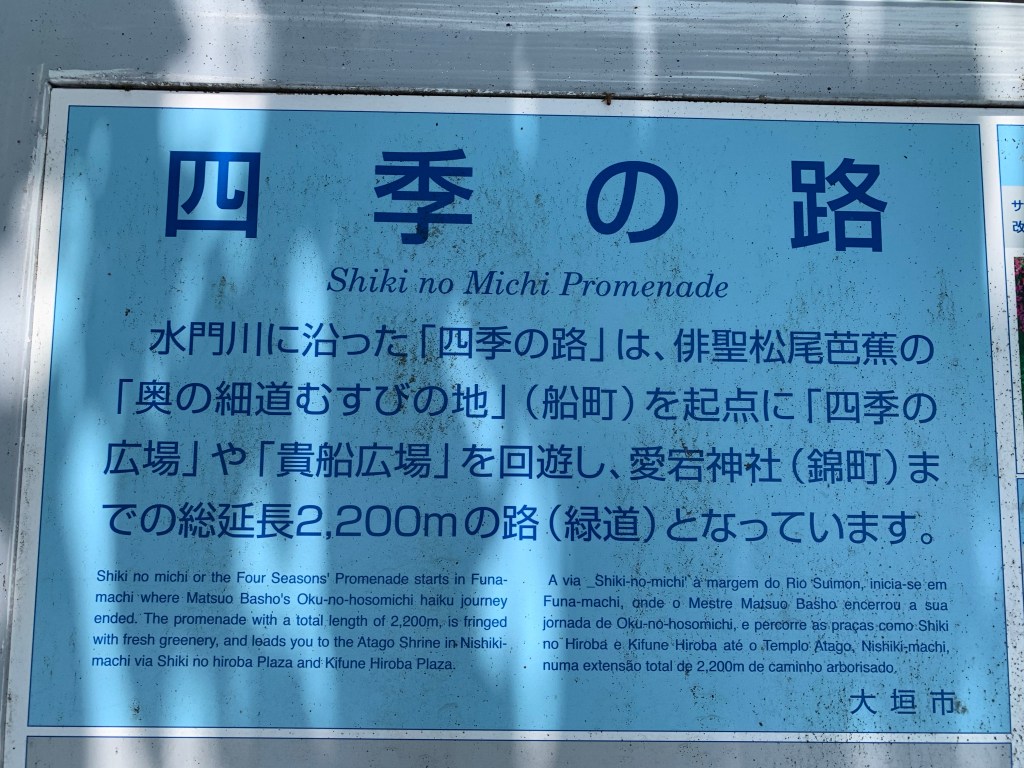
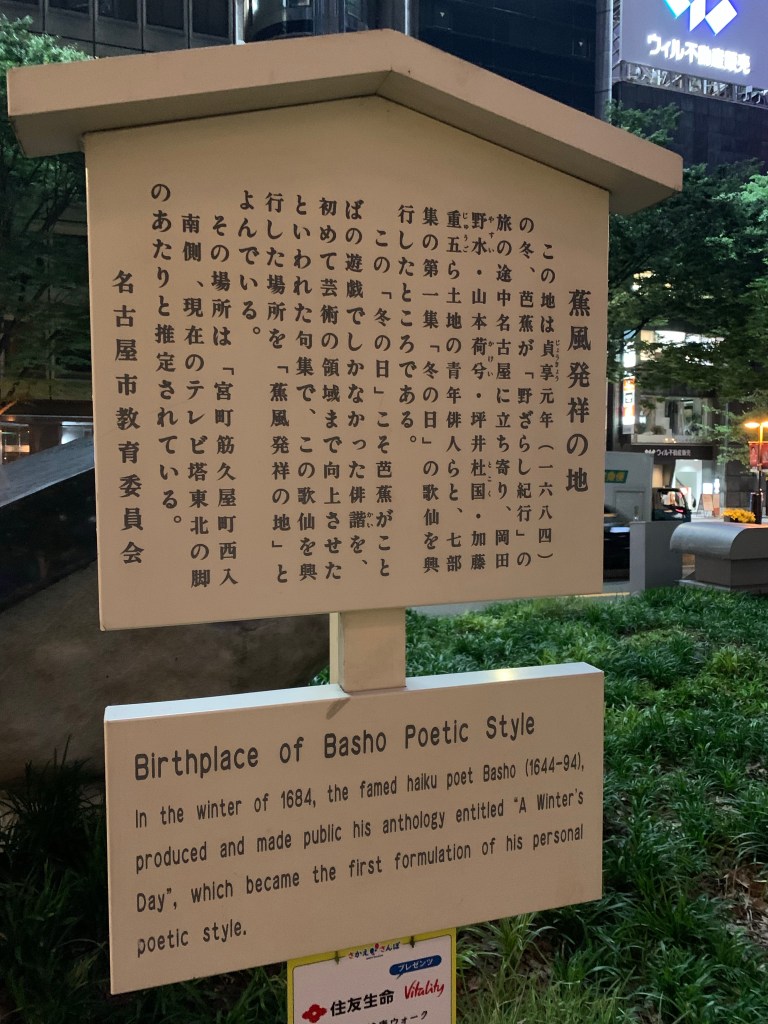
Ogaki is not just known for military history. One of Japan’s revered poets, haiku master Bashō apparently ended a long journey that inspired Oku no Hosomichi in Ogaki, and there is now a walking path along a canal with his poems inscribed in stone.
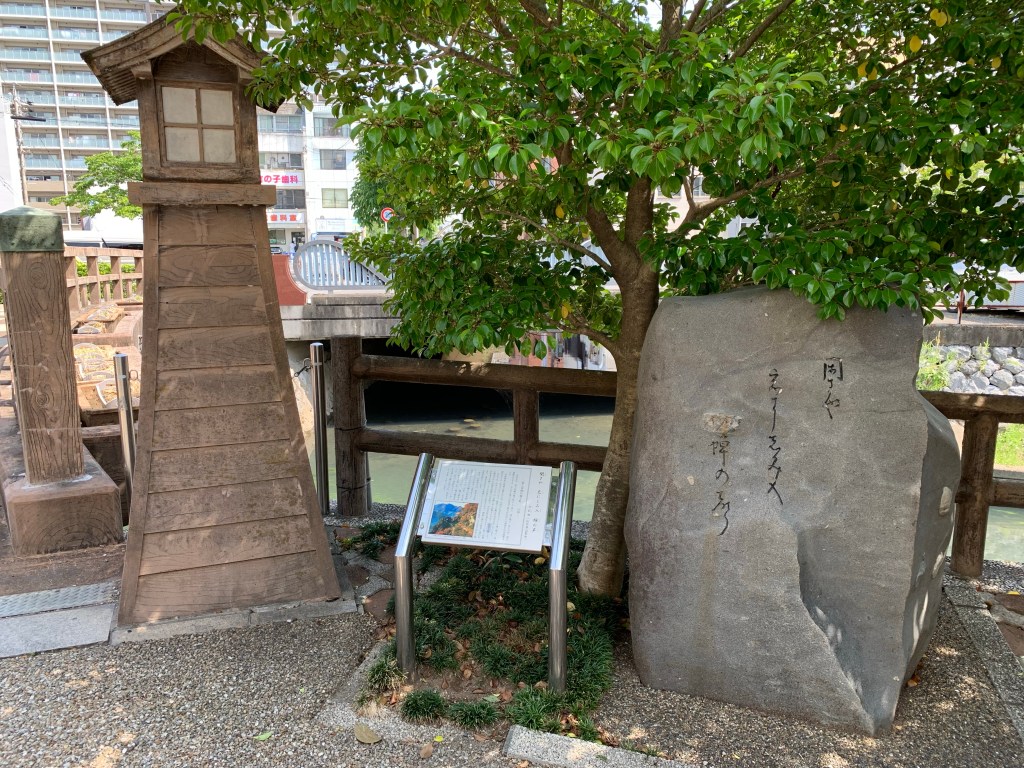
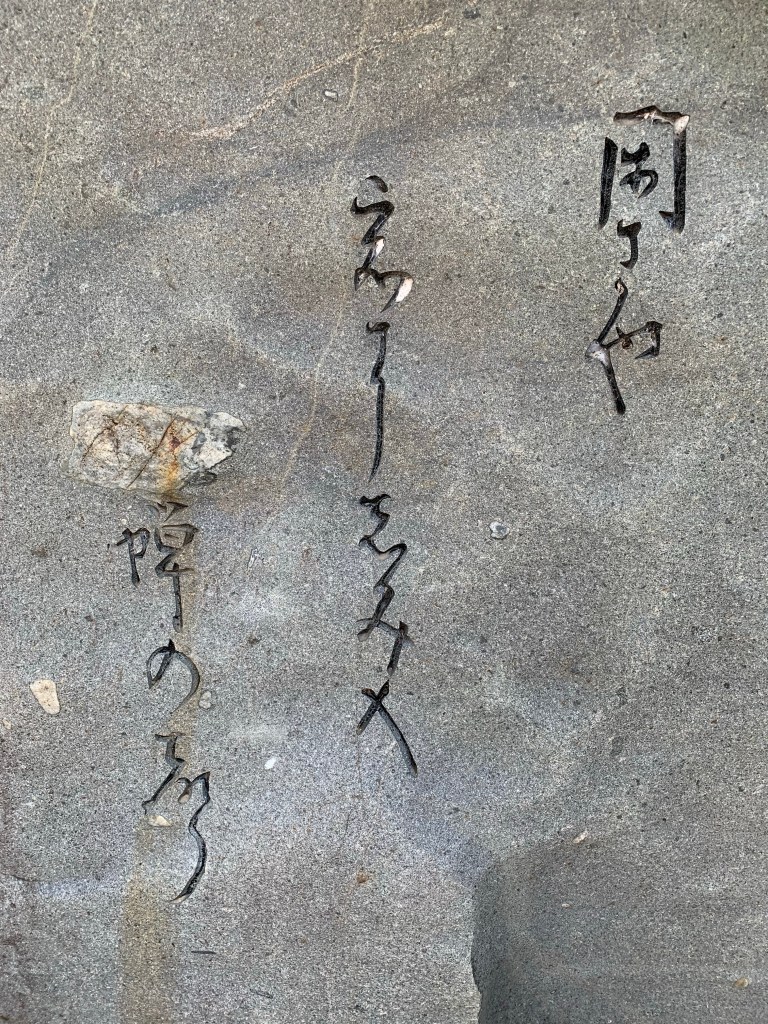
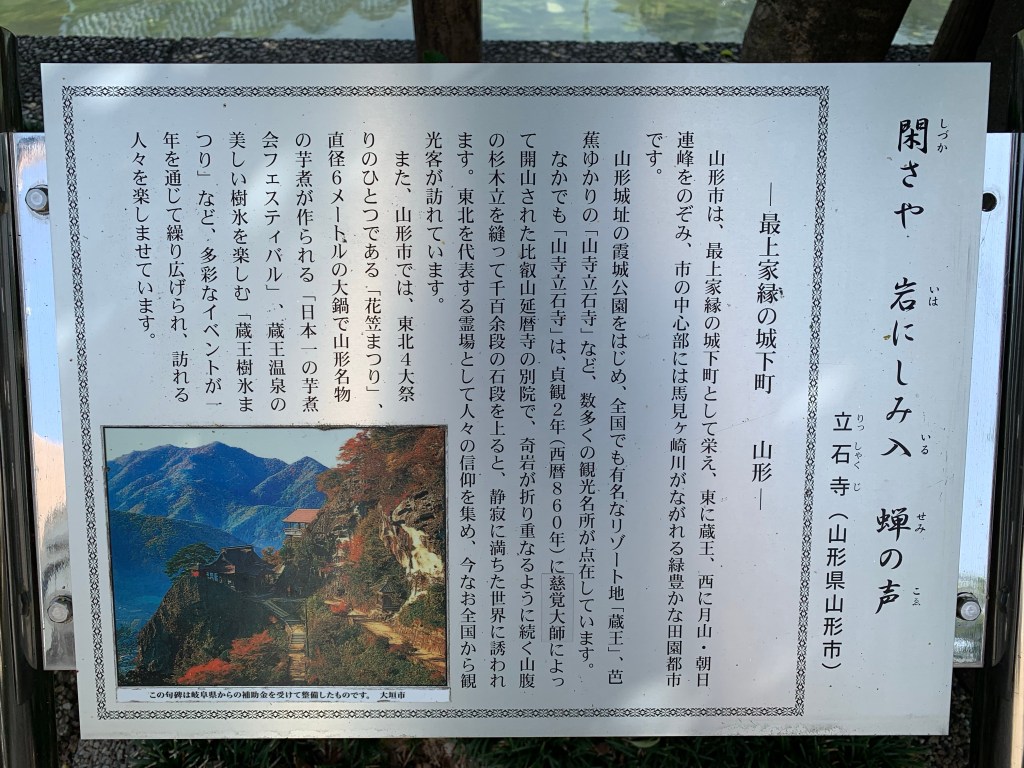
That’s my translation of the poem, another translation and more info is here: https://matsuobashohaiku.home.blog/2021/06/28/yamadera-matsuo-basho/
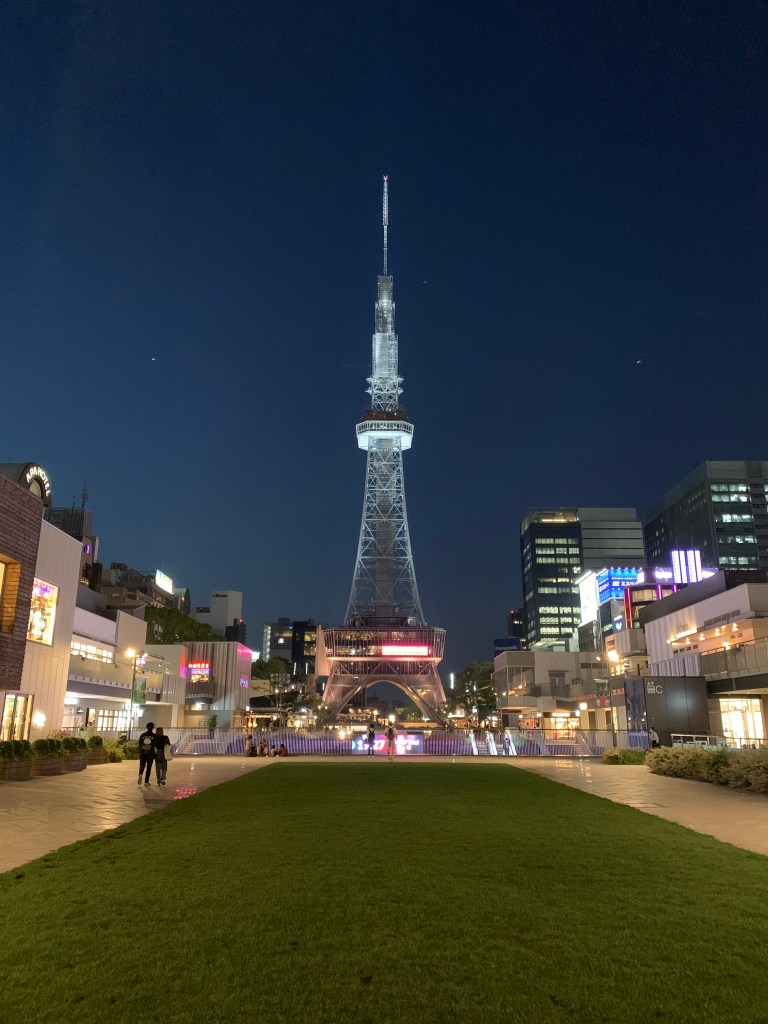
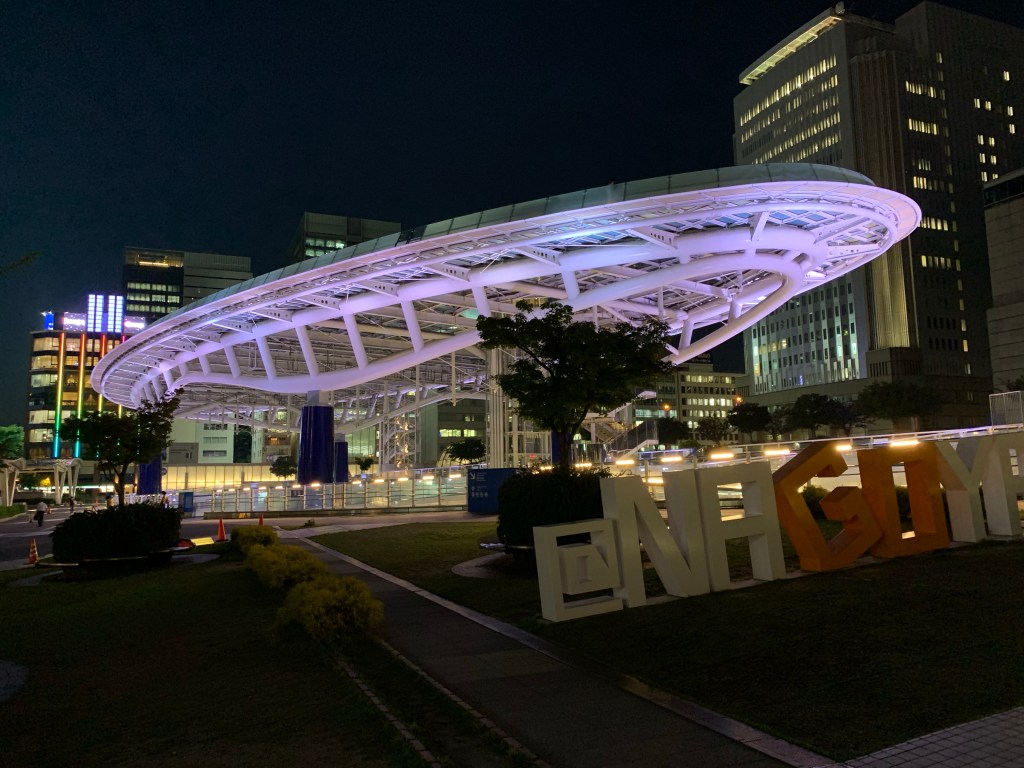
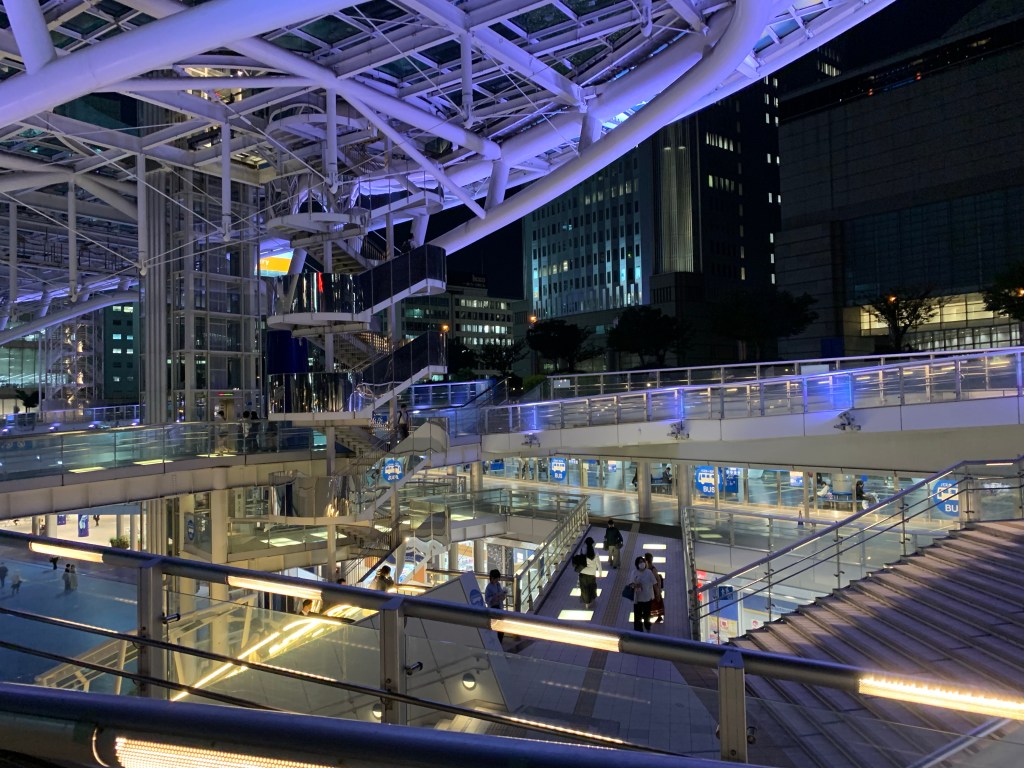
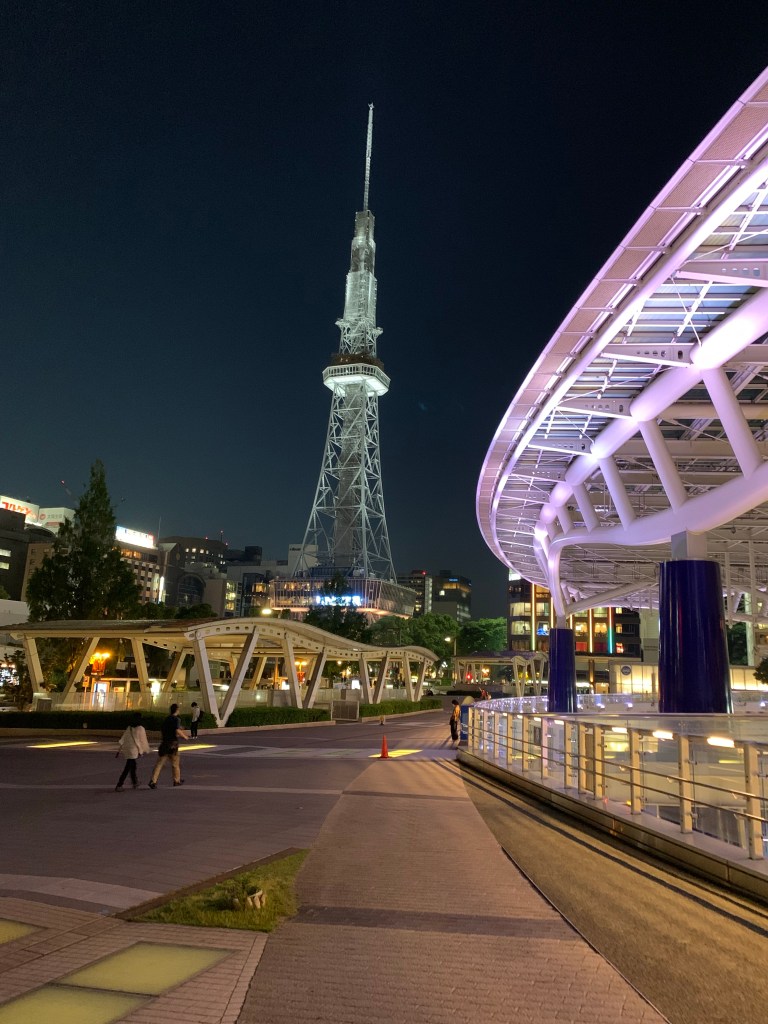
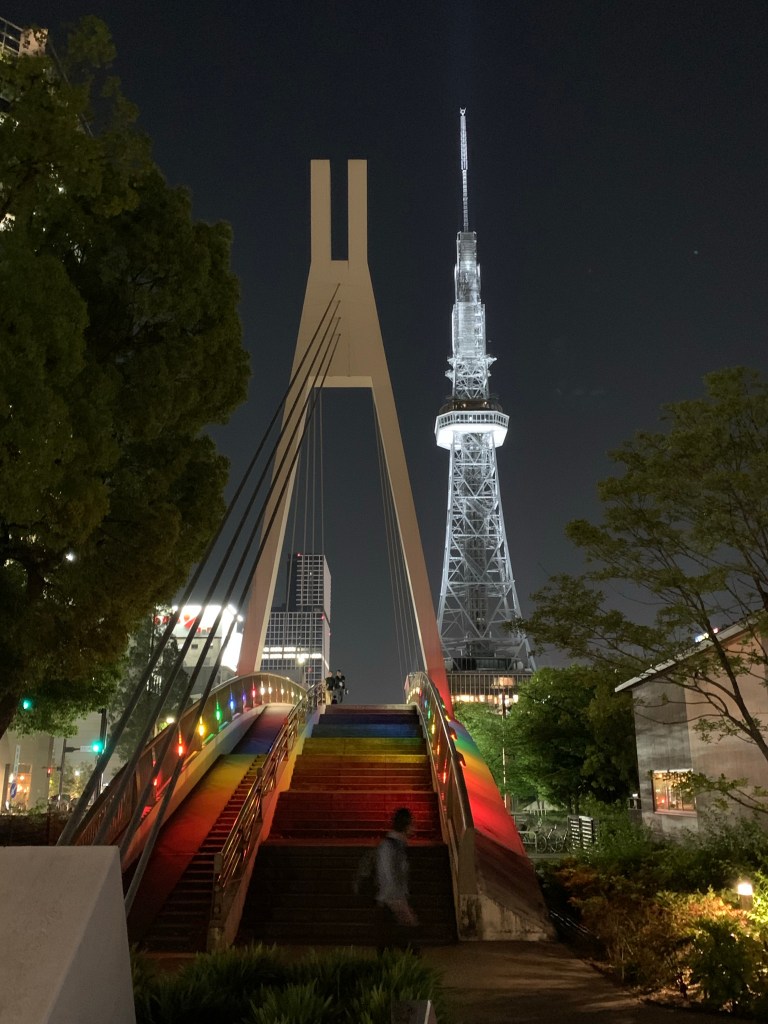
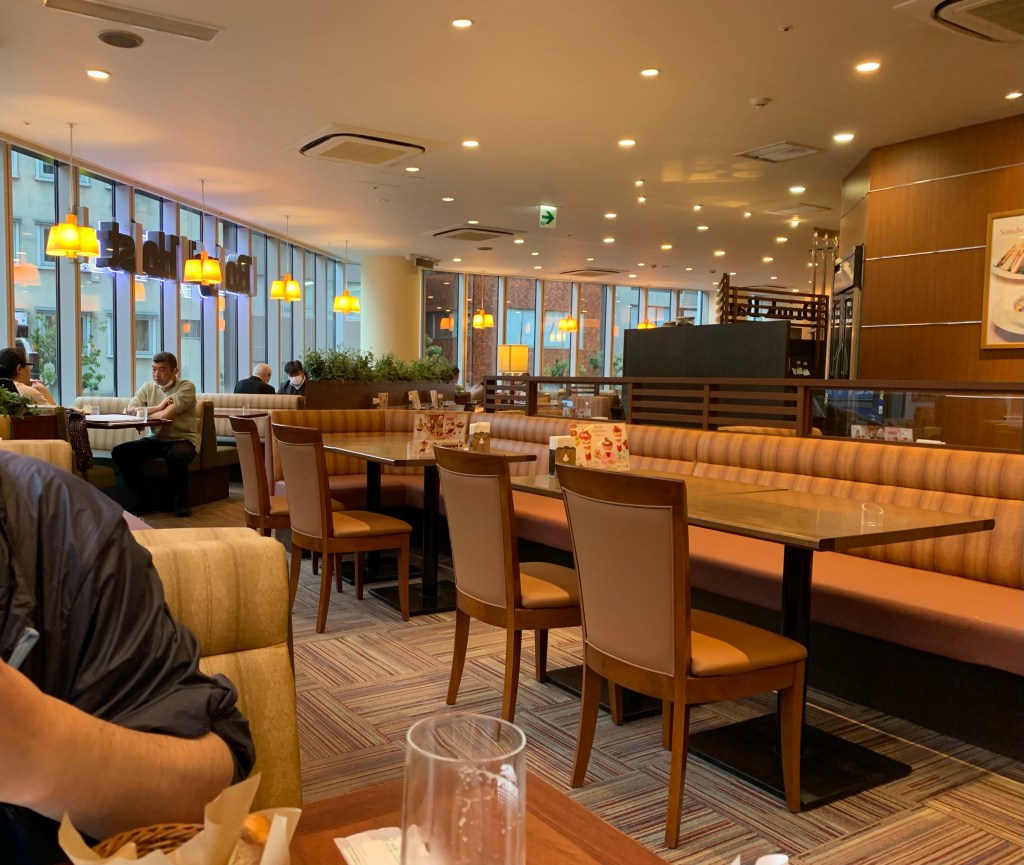
Returning to Nagoya, we took advantage of the hotel’s laundry facilities before heading out to Nagoya’s Sekae district, which is a long, grassy park in the middle of the city with shopping, cafés, and a large tower.


 Out and About