Time to go home

It’s been a fun and interesting almost three weeks, but it’s time to head back home and I’m ready to leave. Walking on average about 5 miles a day is part of it (which tbh is a personal choice), and navigating the language/culture challenge daily also leades to some fatigue. Dinner is usually the biggest challenge because it’s the most language-intense, and it’s at the end of the day.

Setting aside the language part though, the food has generally been great. It’s not all premium sushi and sake, and some of it has been kind of underwhelming, but overall it’s been interesting, even the cheap tonkatsu place or the random neighborhood ramen place. I need to do a full post on the food, but several times hunger won out and I ate before remembering to take a photo.
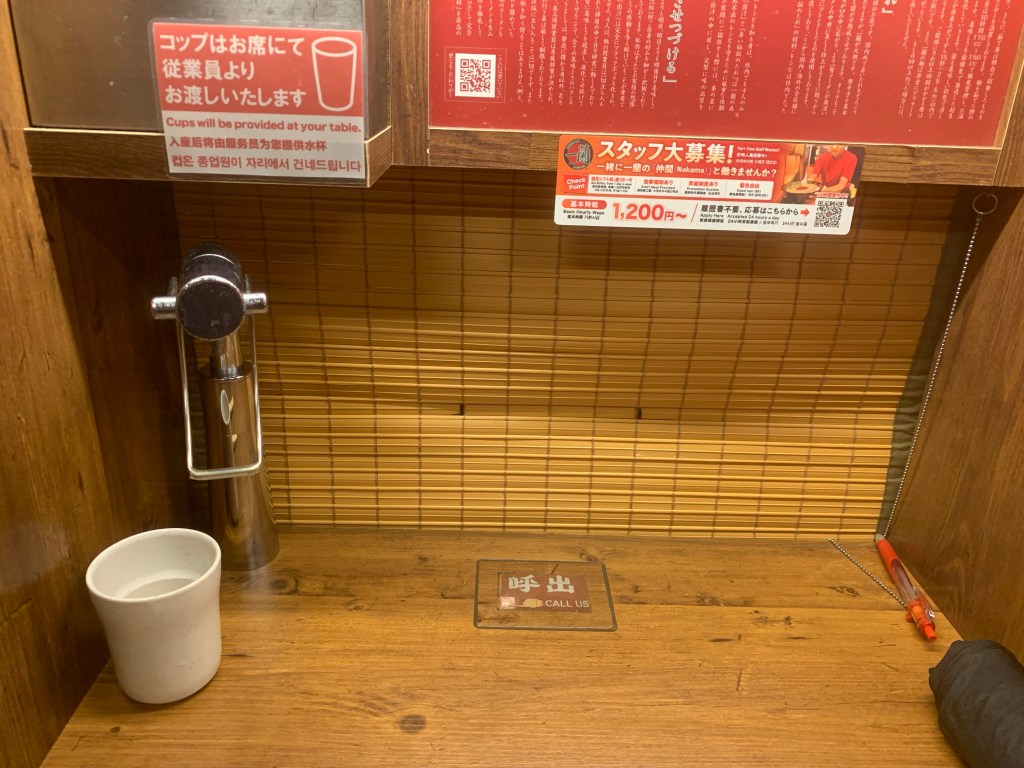
My little ramen cubicle.

I’ll also miss the amazing train system. Being able to just walk on a train and get to another city is frankly amazing. Trains are fast and convenient and something we really don’t have in the states. Pictured is the shinkansen but it’s also the dense network of local trains that make this so valuable.
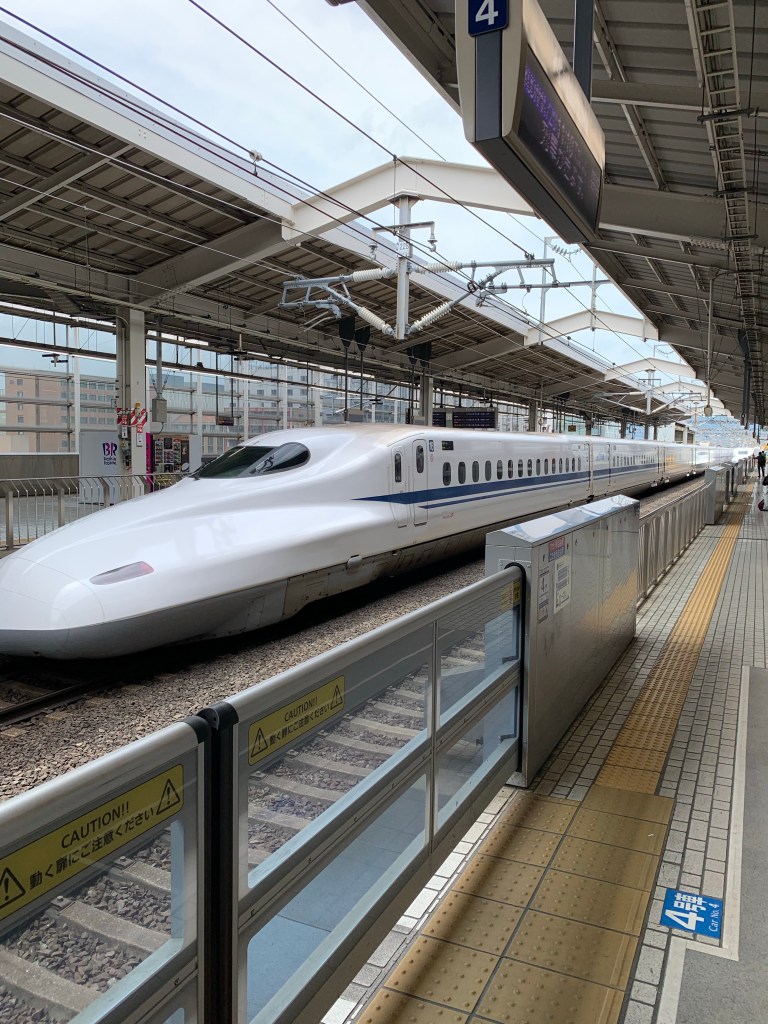
Tokaido shinkansen at Kyoto station.
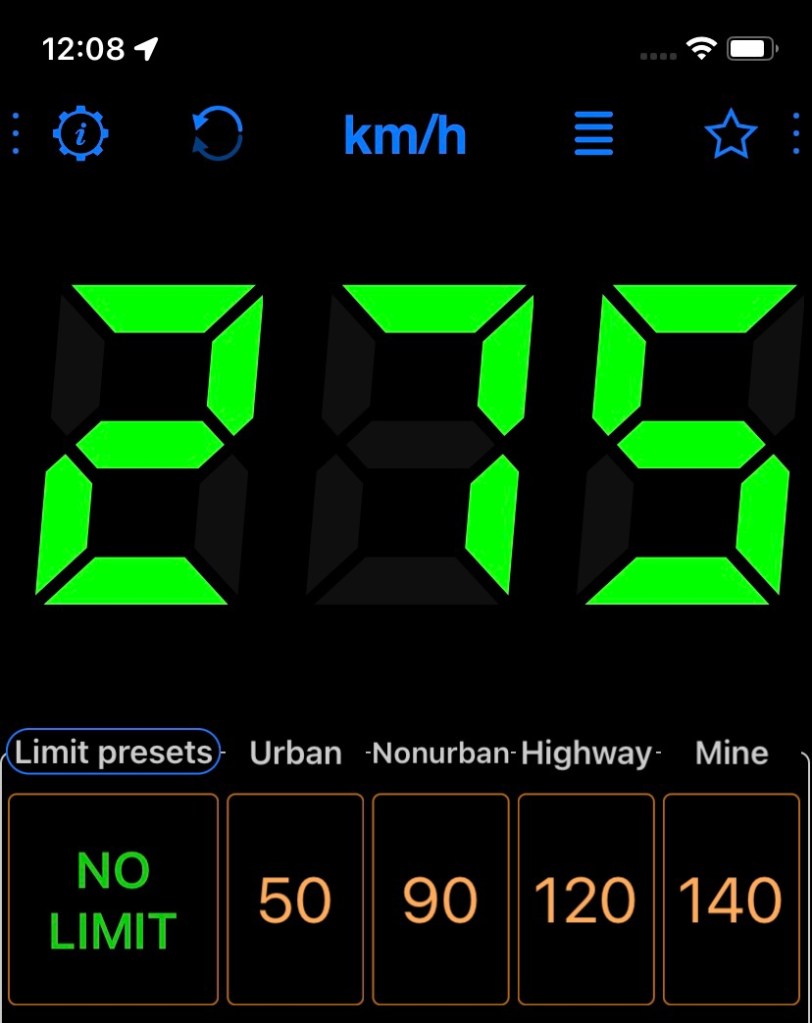
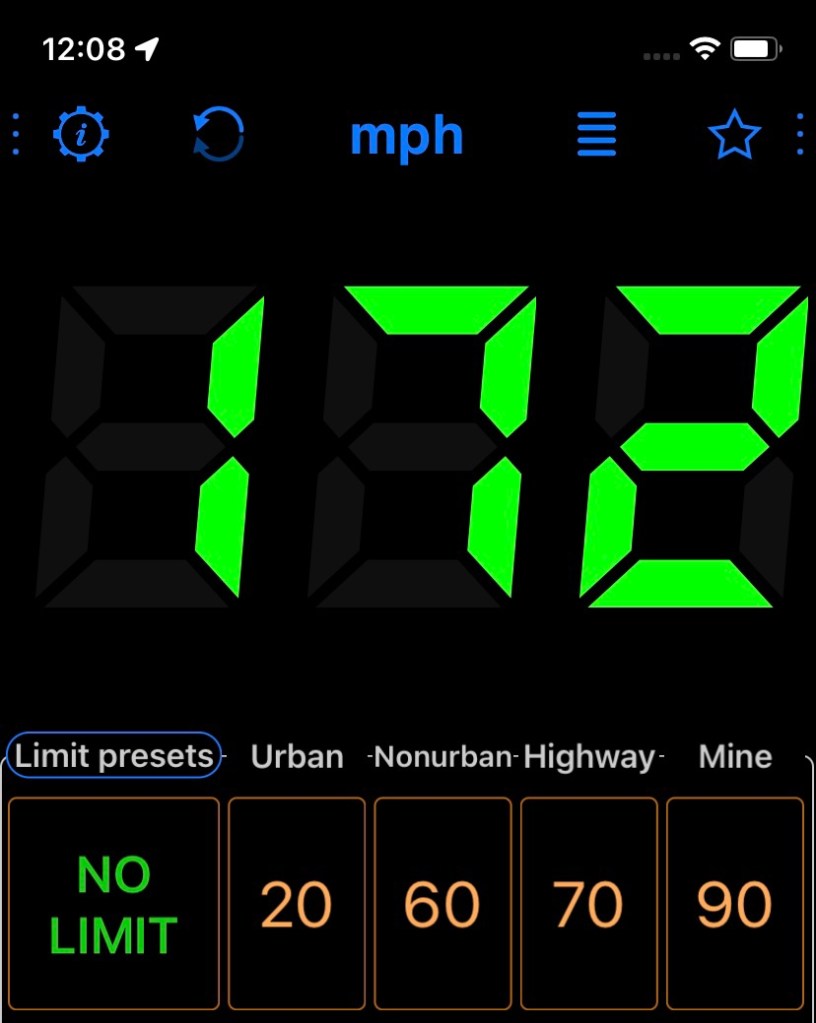
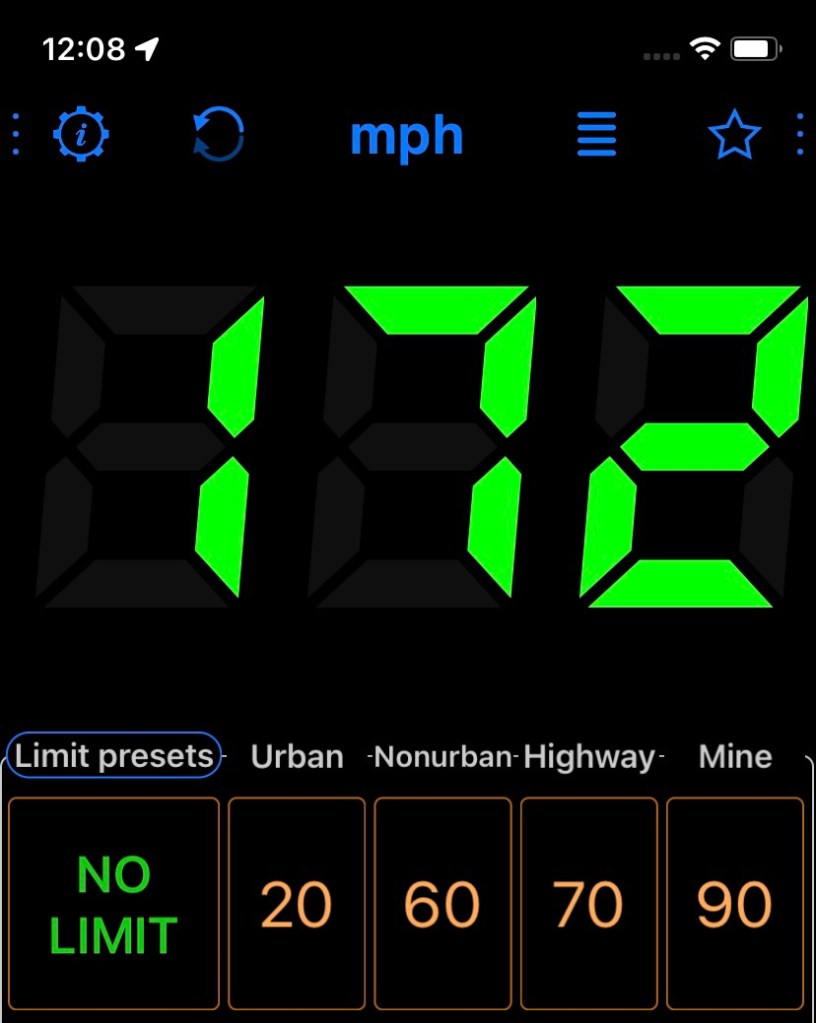
Our land-speed record.
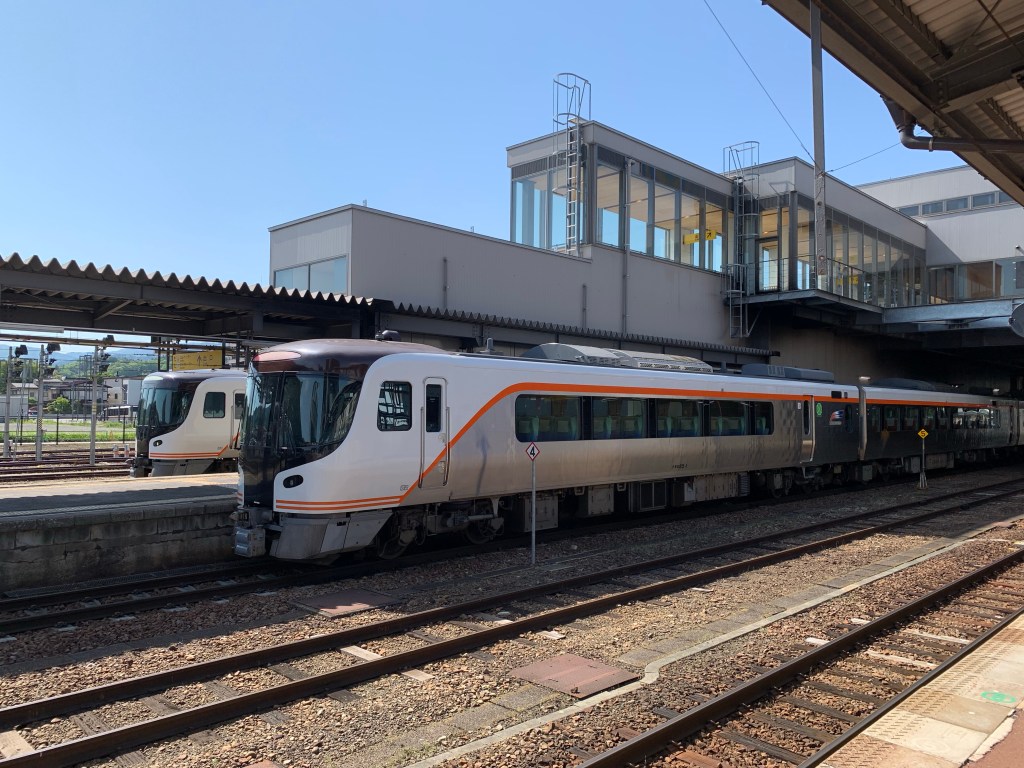
Takayama station

I’d also gotten used to the daily onsen bath ritual too, though our last hotel in Kyoto was more European and hid that behind a daily “spa” charge. Honestly I’ve come around on the fancy toilets, too.

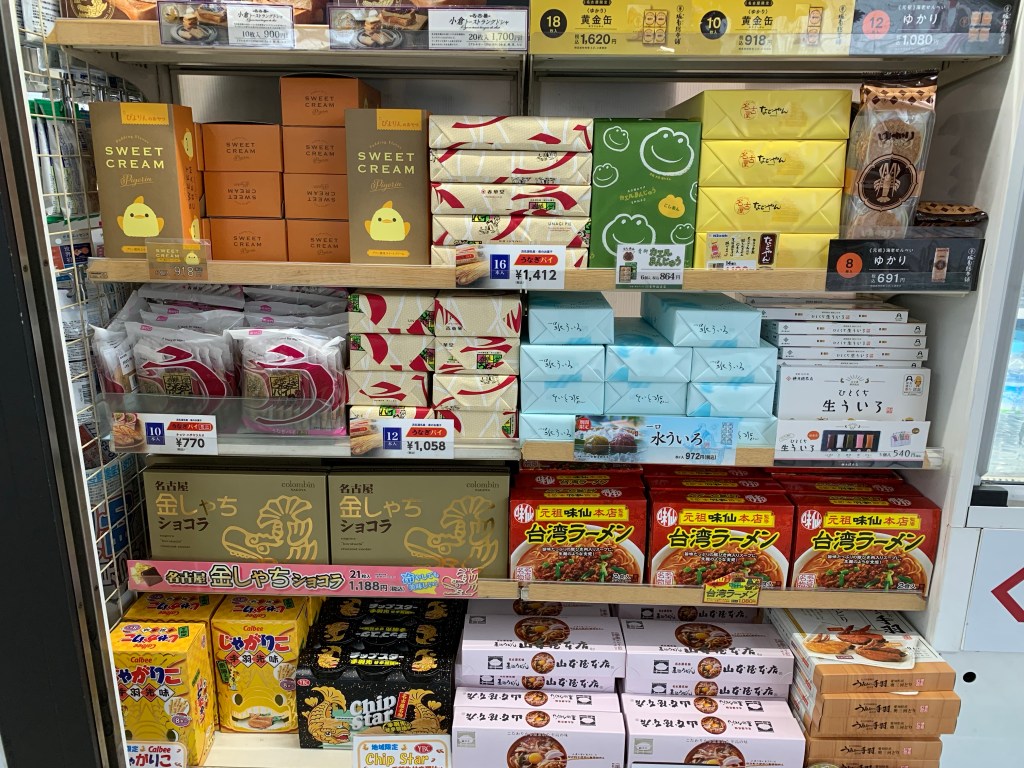
The convenience stores are also amazing for their range of food and drink, though they probably have a societal impact by replacing a lot of one-off shops.

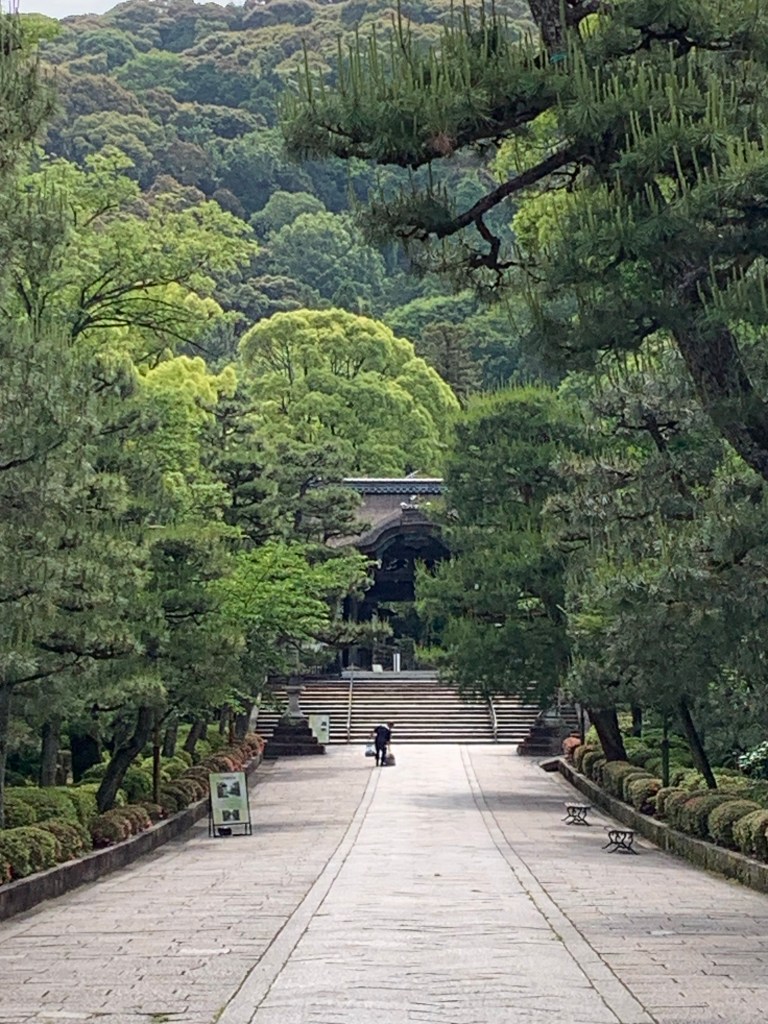
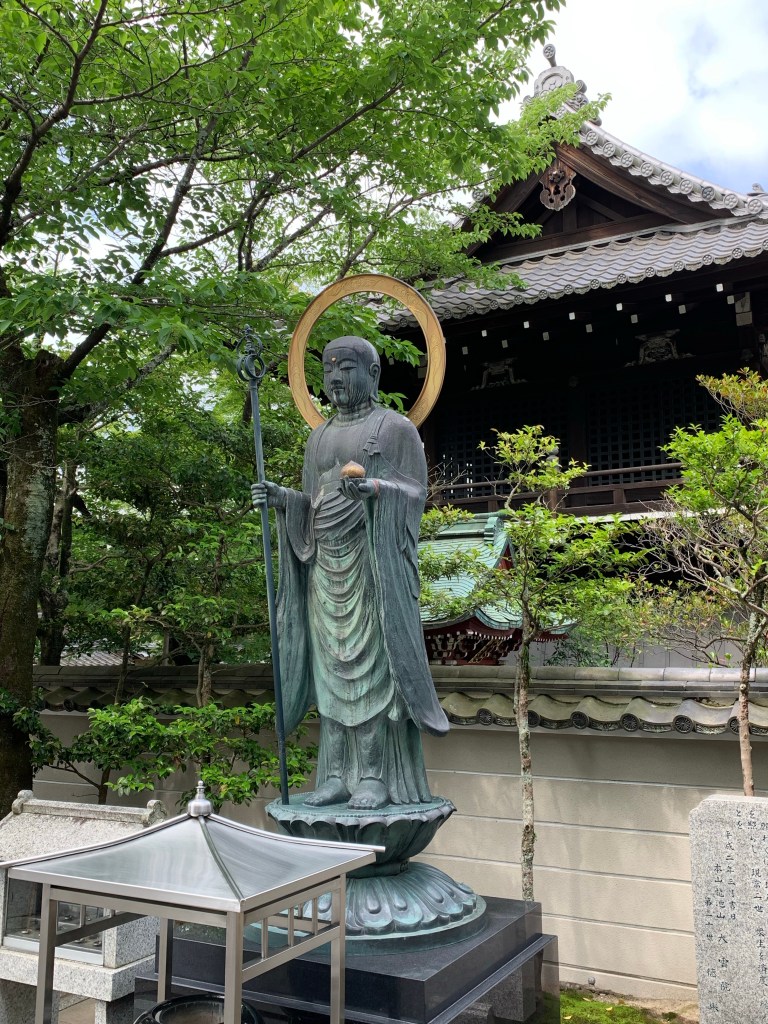
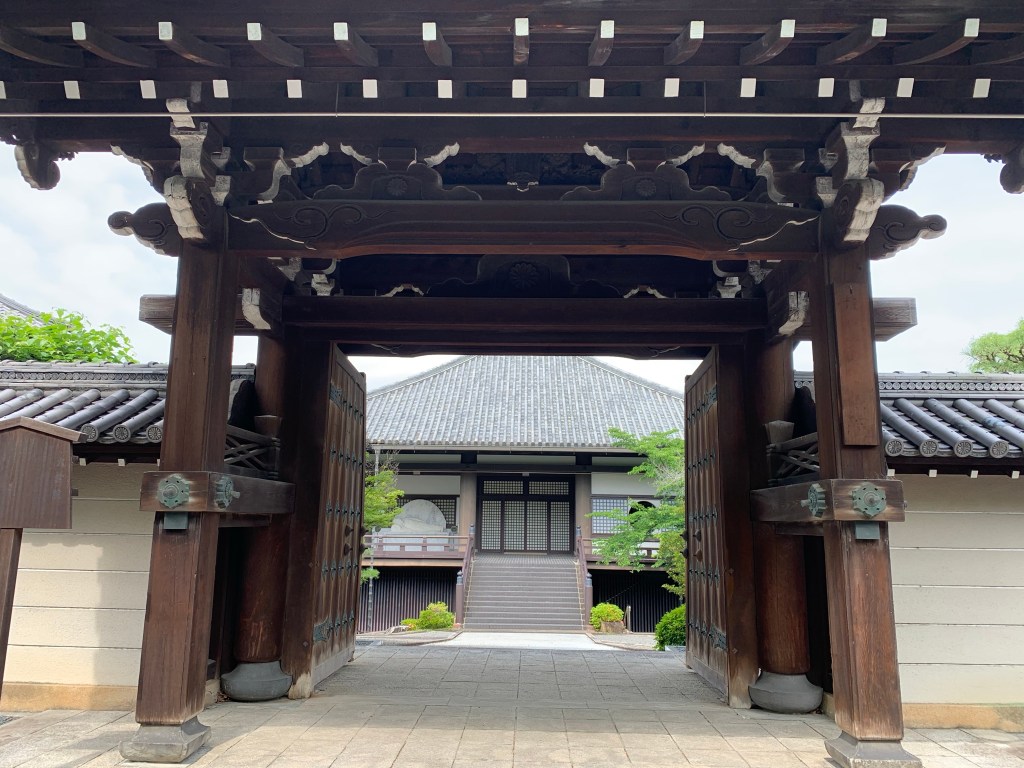
The presence of shrines and temples almost everywhere is a big cultural thing. Not only are they attractive architecture, they encourage moments of thankfulness and/or meditation.
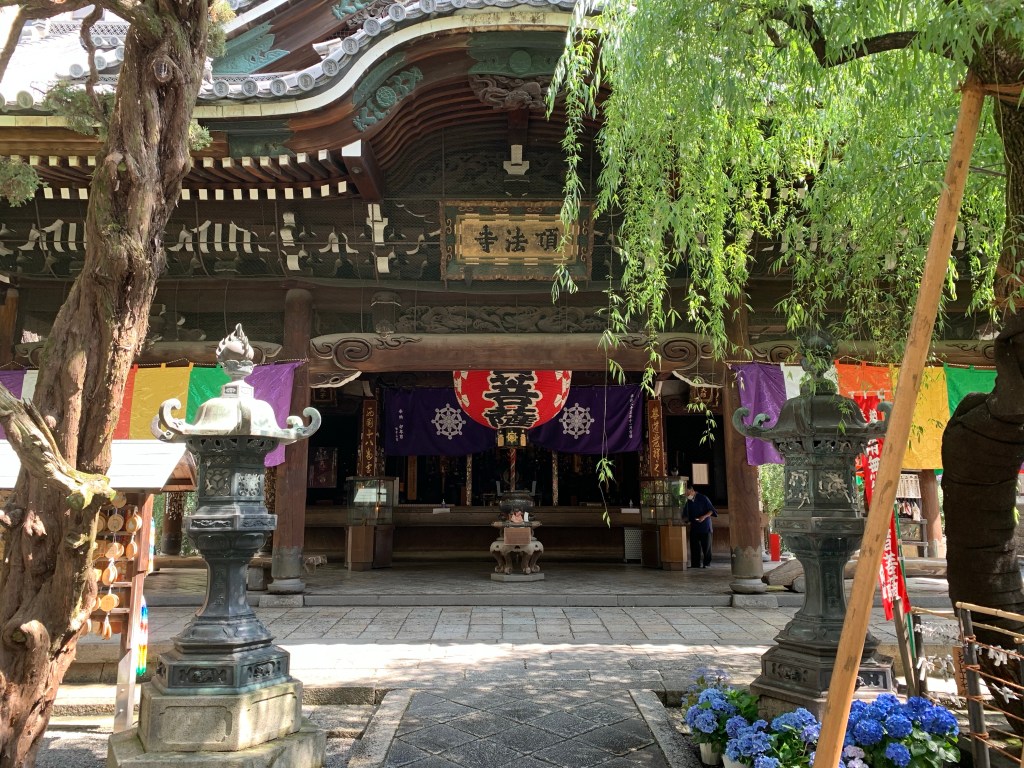
Rokkudo-ji near our hotel in Kyoto.

Mostly not going to miss Japanese TV, which is mostly incredibly low budget and faily low-concept live reaction shows, with very few dramas thrown in and the occasional baseball game. On the other hand, daily access to the grand sumo tournement happening in Tokyo has been awesome, we’ve become big fans of the sport.
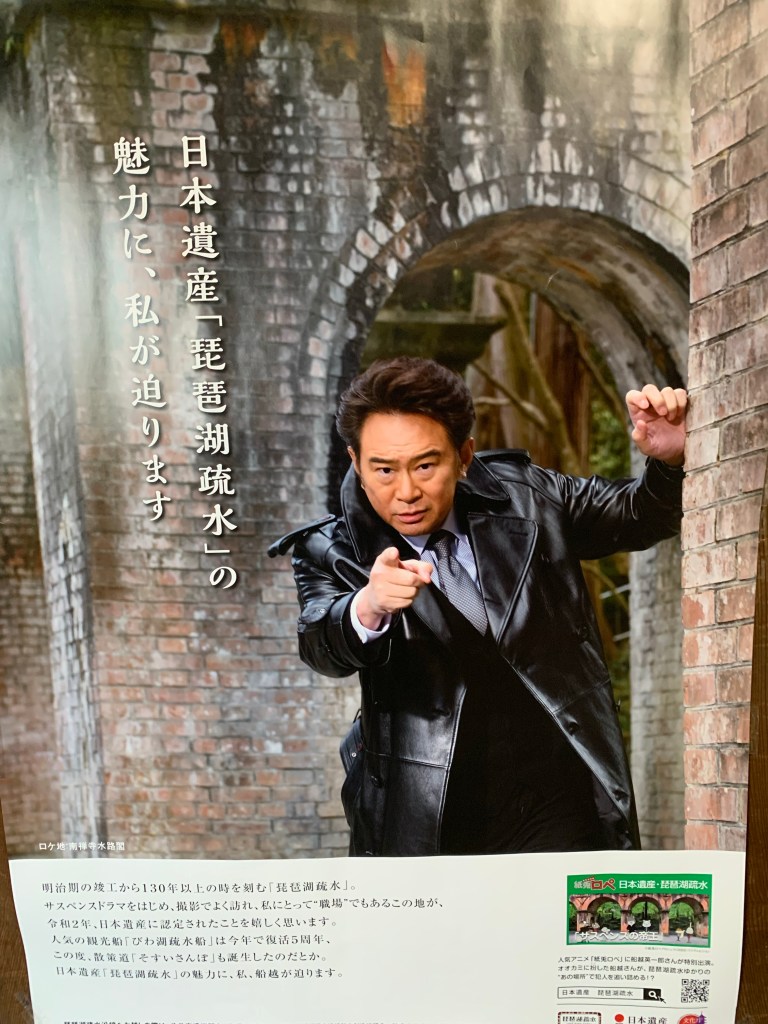
Detective show star Funakoshi Eiichiro

There are a lot of interesting places outside of Tokyo/Kyoto that are worth exploring. Last trip’s find was Takayama, this trip it was Ogaki and it’s lovely river walk, and Matsumoto and it’s little shopping streets. Again, all made possible by the train system.
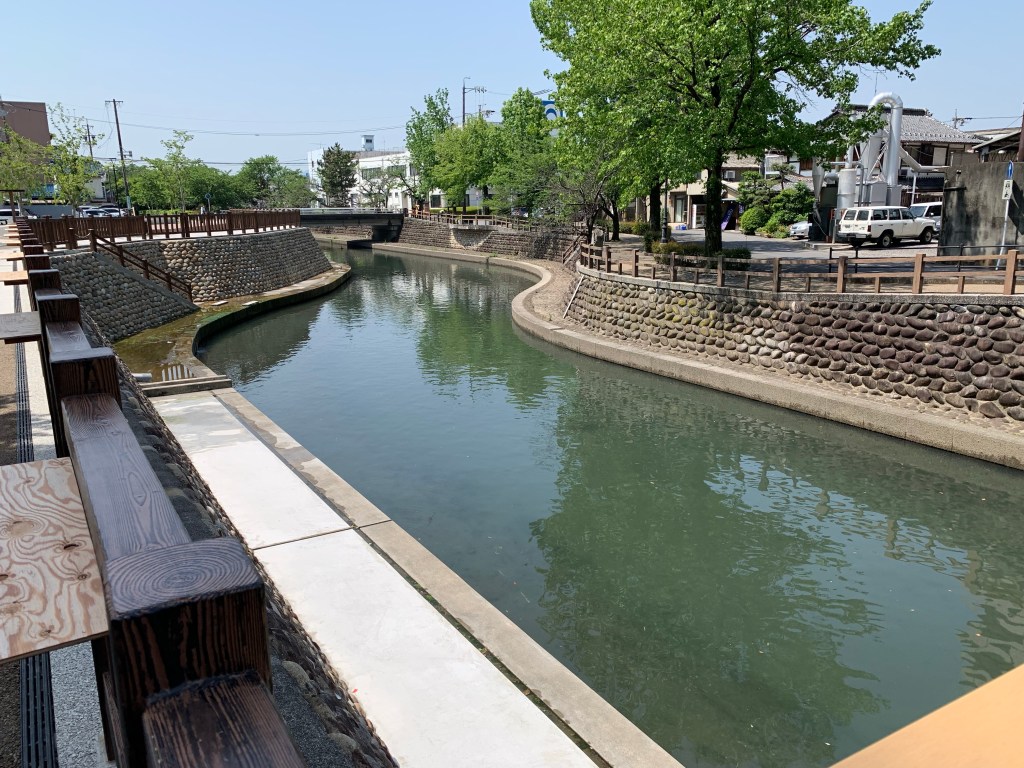
Ogaki Suimon river.

And that just leaves more to explore next time!
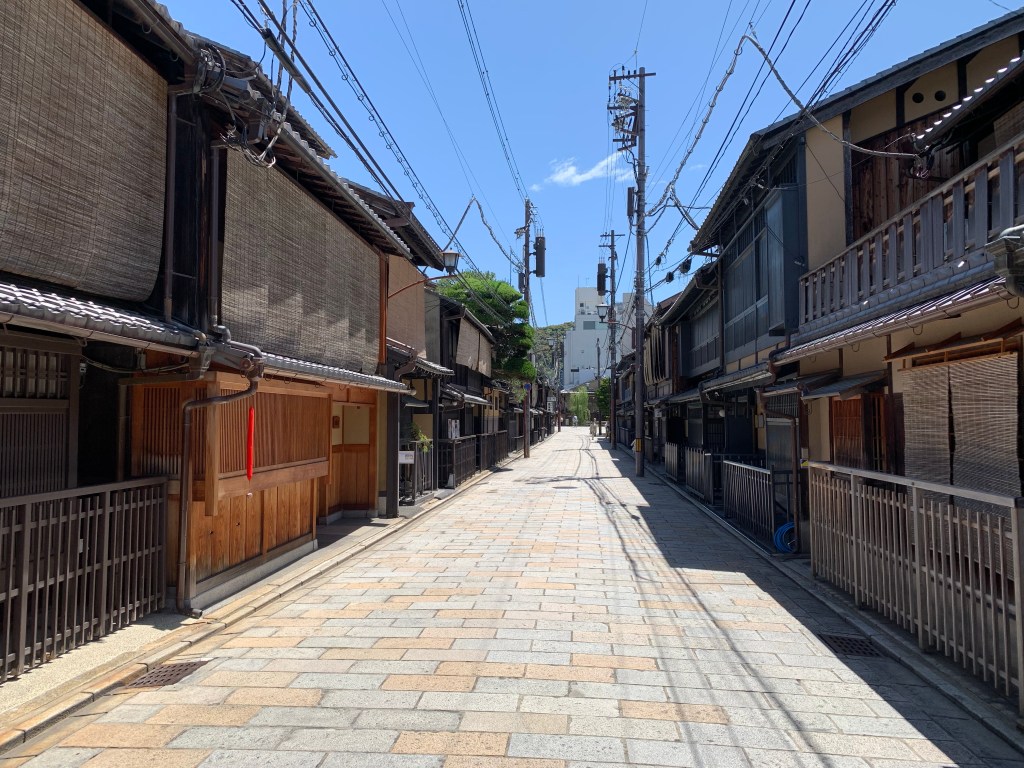
The world of the Geiko

The trip is starting to draw to a close, but one quintessential Kyoto experience remains. As part of a tour of the Geisha districts of Kyoto, we were able to have lunch with a performance by an apprentice geisha.

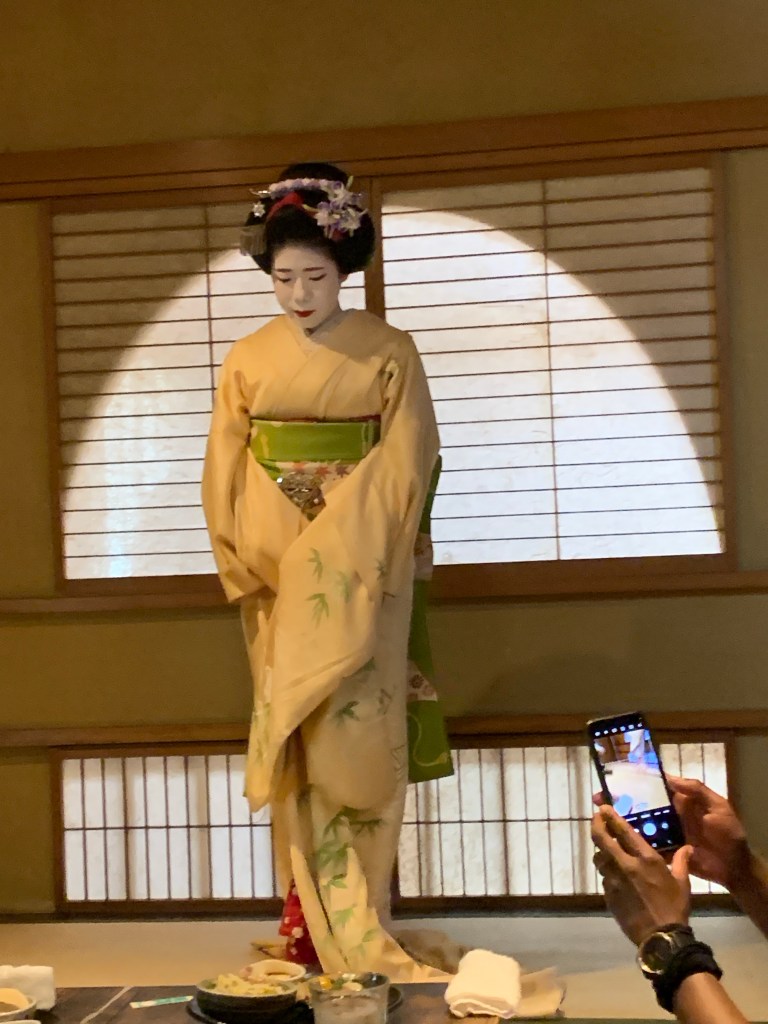
In Kyoto, geisha are called geiko, or “arts woman”, and the apprentice is a maiko or “dancing girl”. According to our guide, because the maiko are still honing their craft, they get the more brightly colored kimono and more elaborate hairpieces. Veteran geiko are more skilled at dancing, playing instruments, etc, and don’t need as showy attire.

First we got a tour of the districts where the geisha agencies and teahouses are.

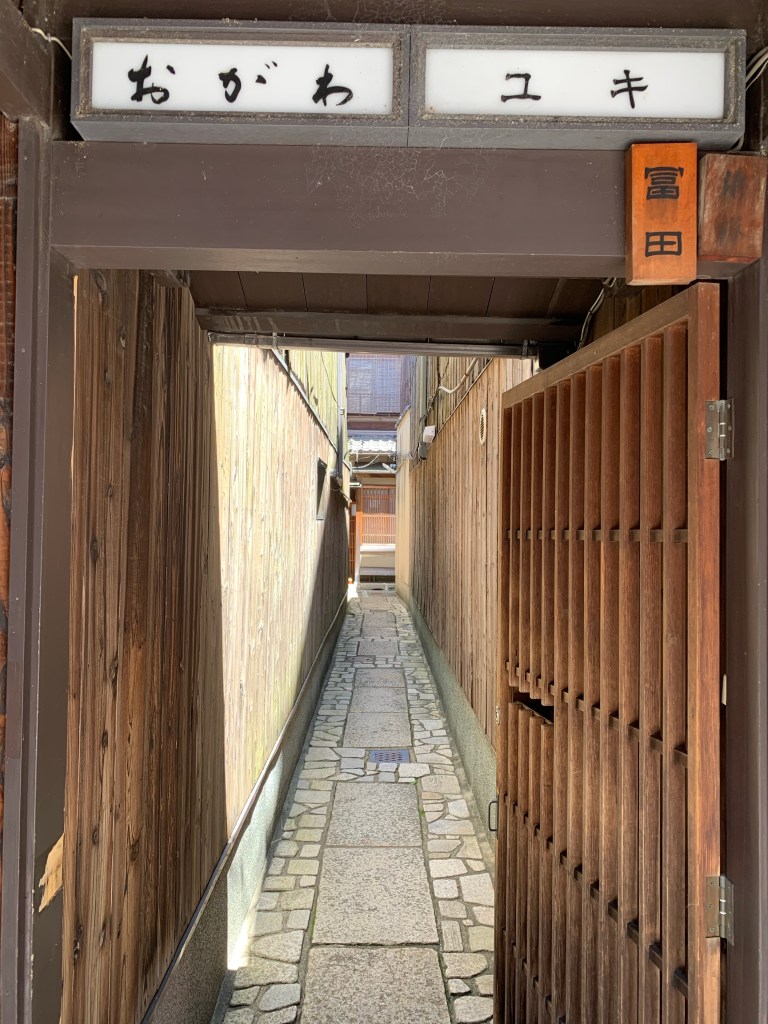
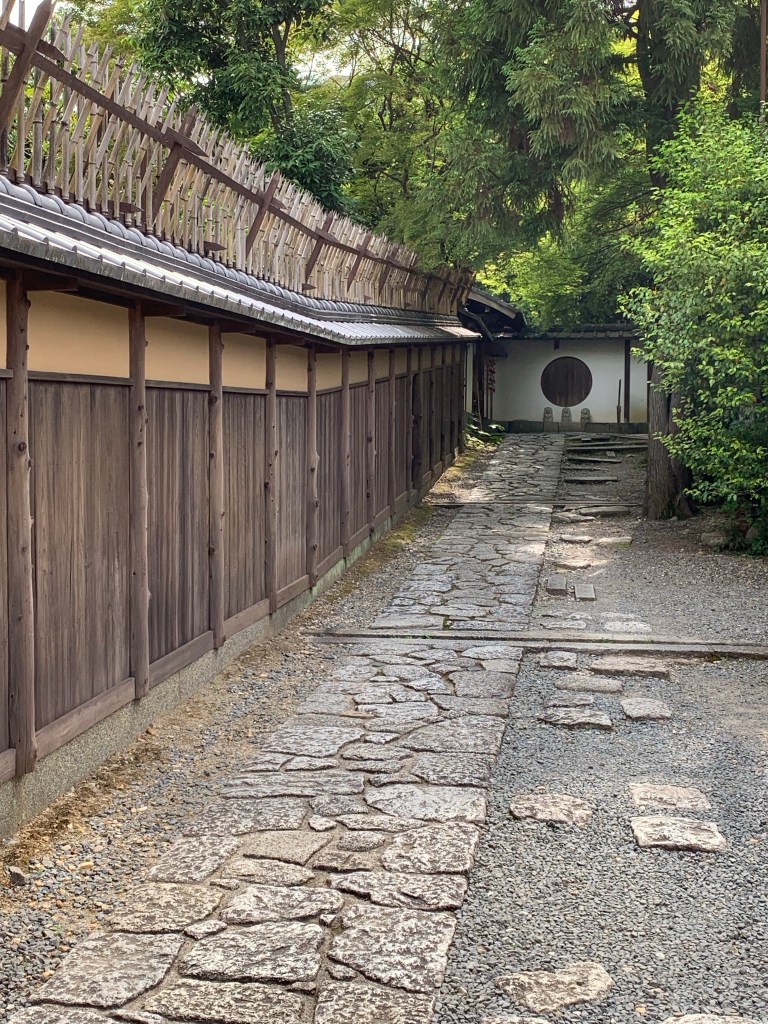
Narrow alley showing the depth of the houses.
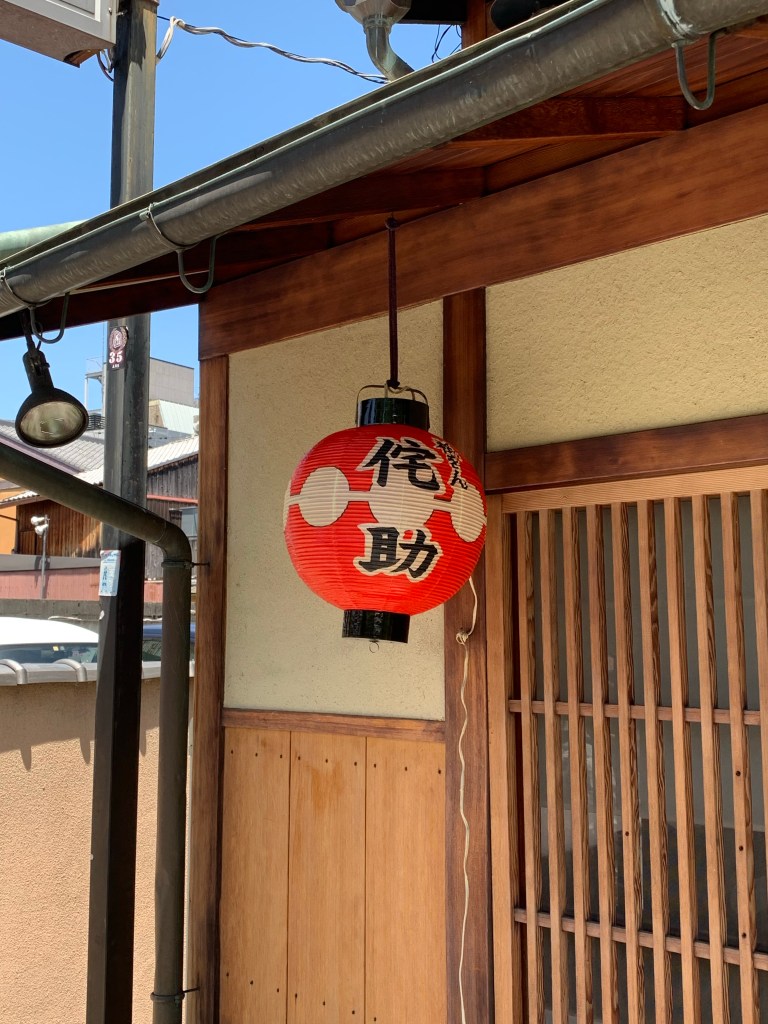
The lanterns signify the district. This one was made up of eight districts that combined, so the symbol is a string of 8 rice balls.
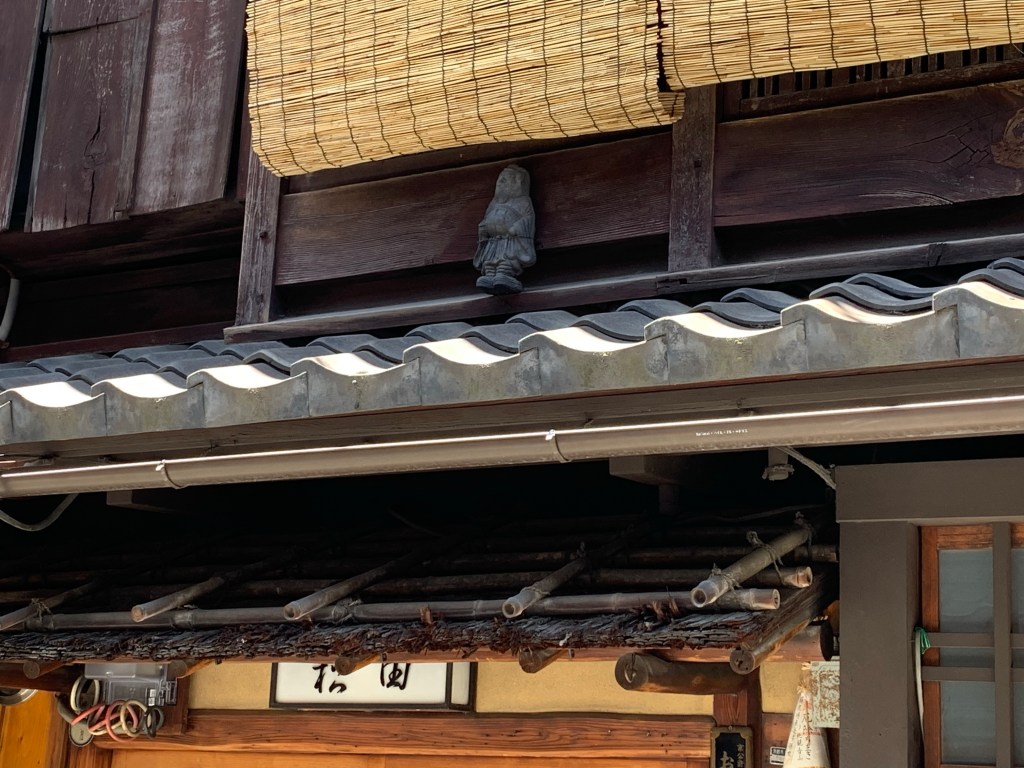
A good-luck figure perched on the wall.
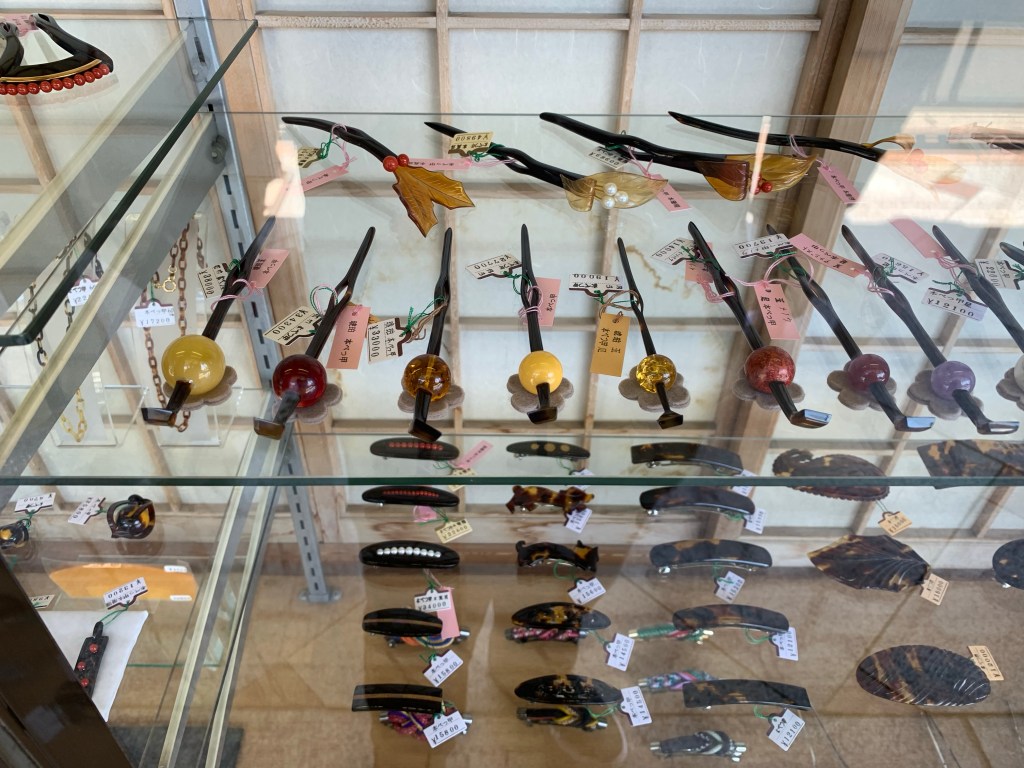
Shops that supply the geiko. Here, elaborate hairpins or clips.
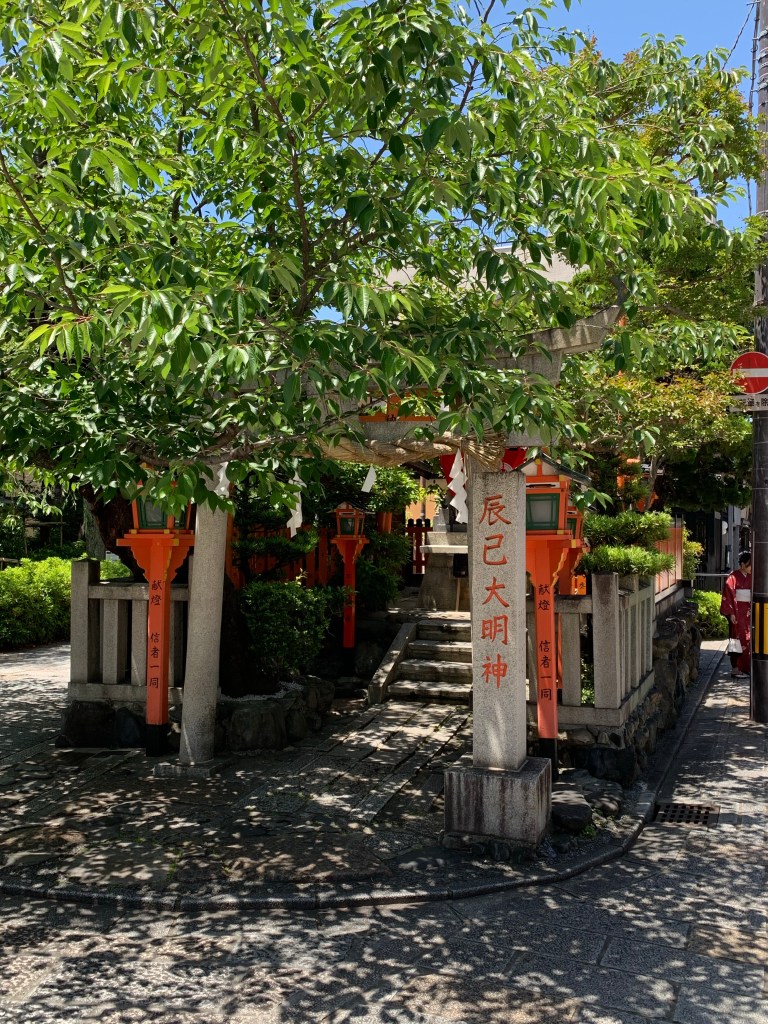
A shrine to the patron kami-sama of performers.

Once we got into the other districts, photography wasn’t allowed. At lunch, the maiko allowed us to take pictures but I only took a few. It’s really a rare opportunity to see a geiko or maiko perform. Typically the teahouses are members-only, or by invitation from a member.

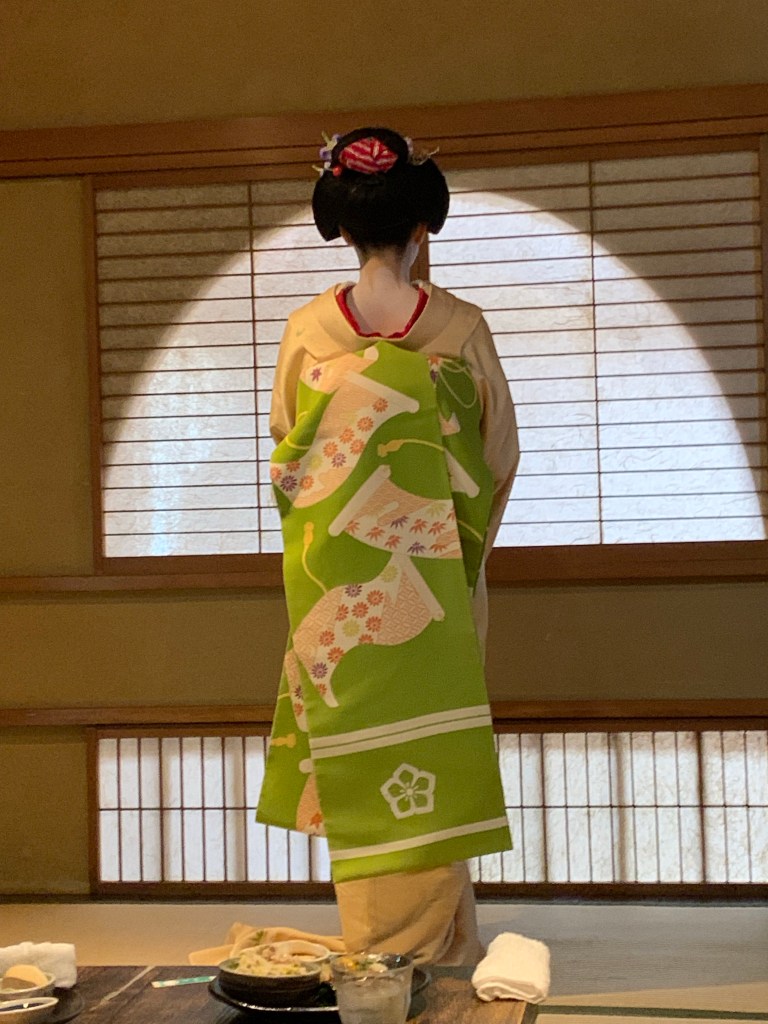
The elaborate hairpieces and showy kimono of a maiko.
The obi (sash or belt) is seven meters long, and the maiko needs help to put it on.

Kanasue was our maiko and she was very good about answering our questions. She also performed a dance, “Seasons of Gion”, and played a drinking game with us (though there was no actual drinking). It was a very memorable experience and highly recommended if you get the opportunity.

The many gates of Fushimi

Today we did a bit of wandering around the neighborhood, and a little shopping, before heading to the Fushimi Inari Taisha grand shrine.

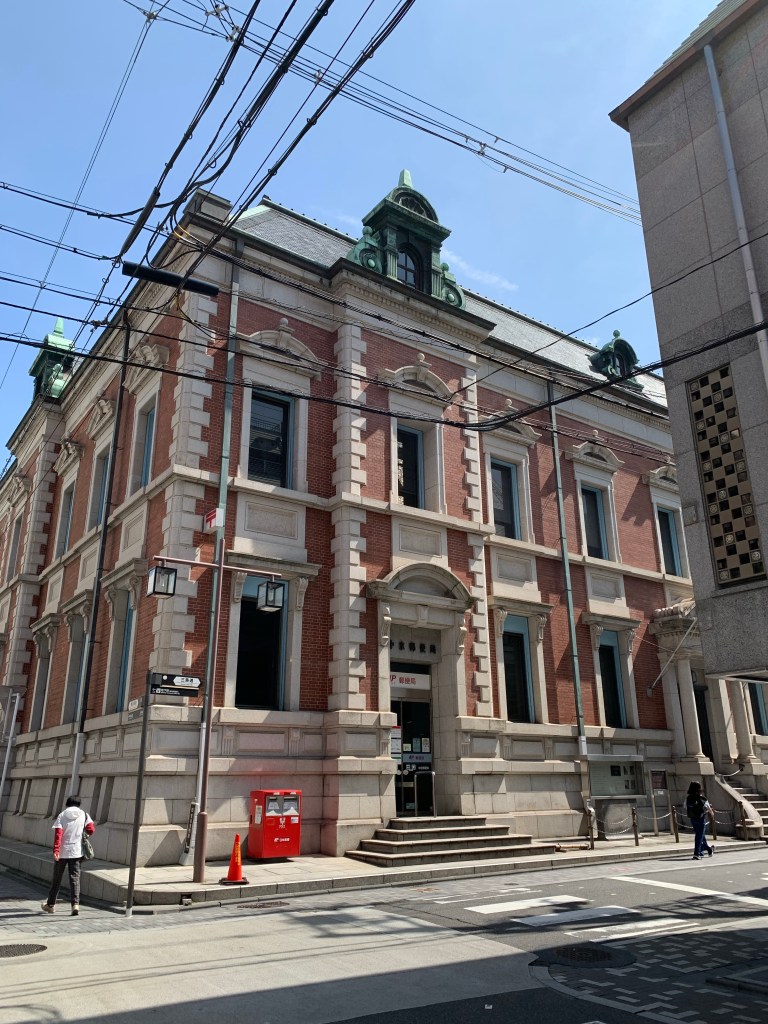
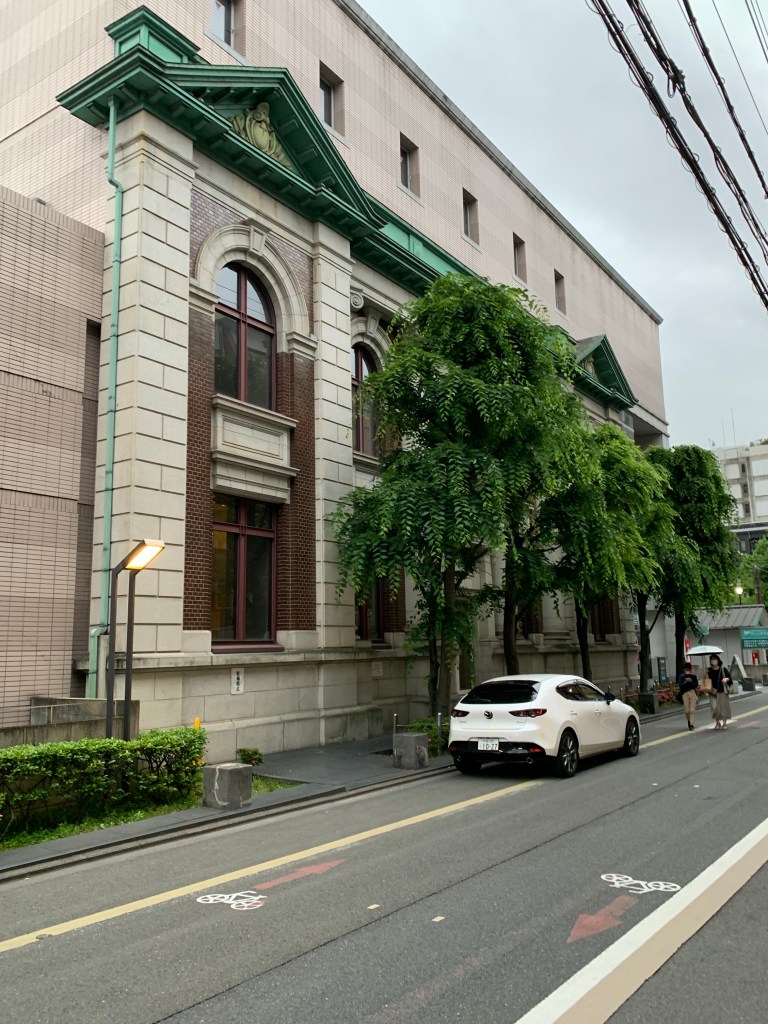
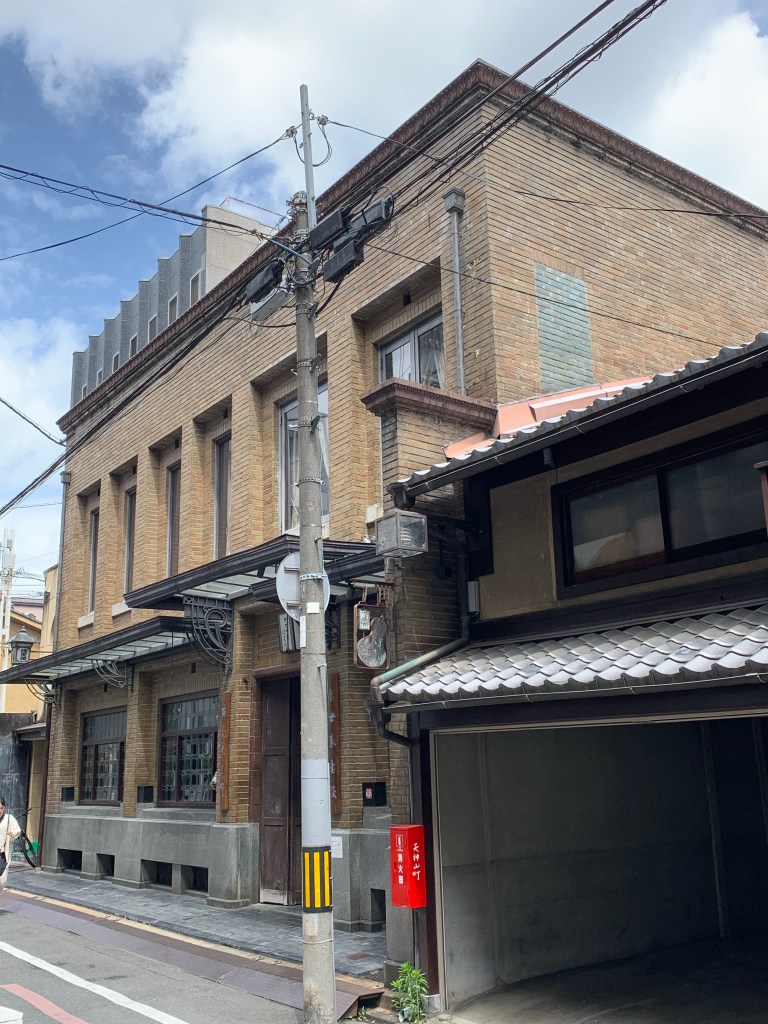
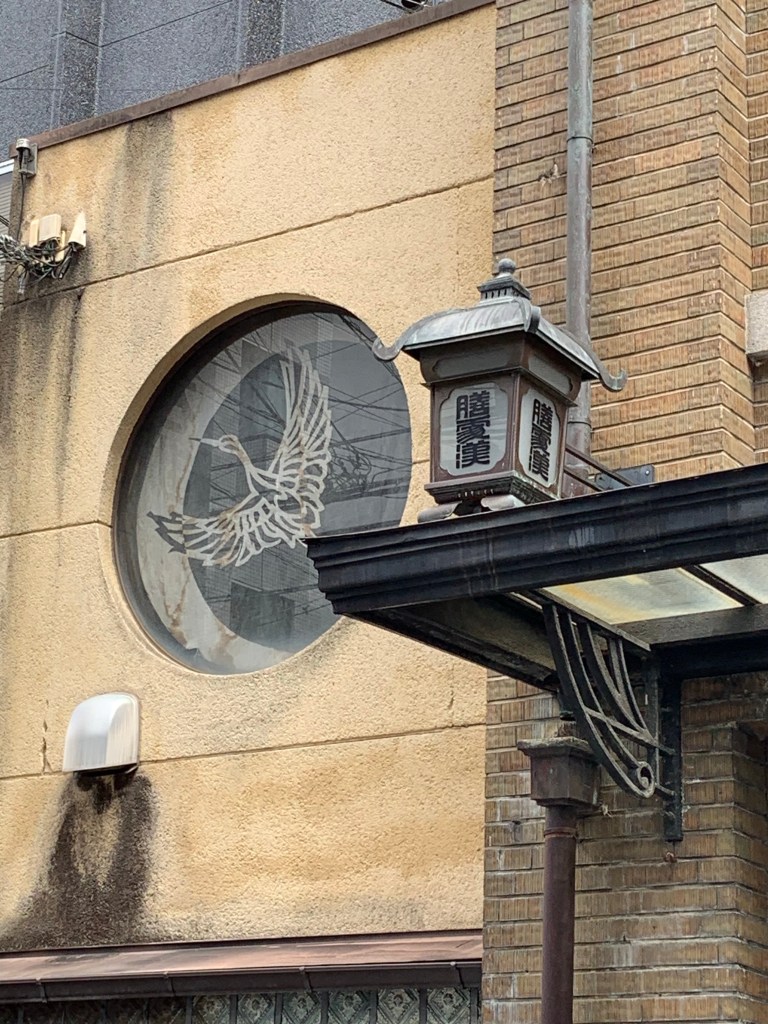
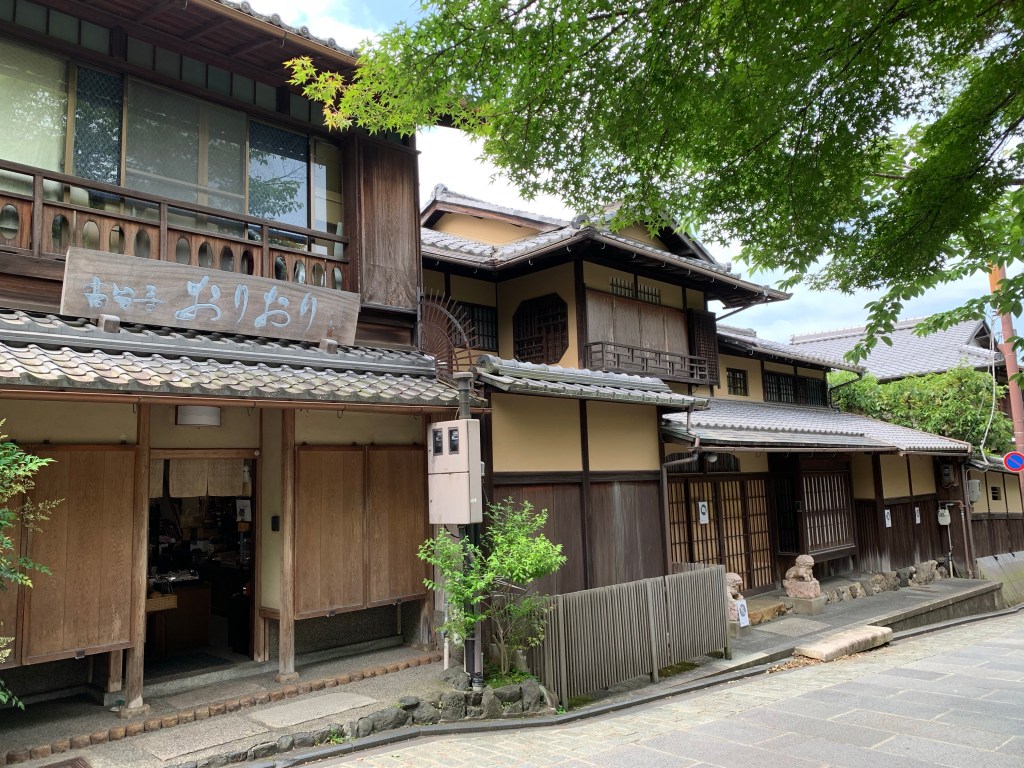
Out hotel is in more of a business district of Kyoto, and while the city is treasured for the temples and shrines and machiya (townhouses) in Edo-period style, there are some hidden gems of Meiji-period European-style buildings dotted around the side streets.

Currently a post office.
Encapsulated in a newer building.
Detail on the building above.

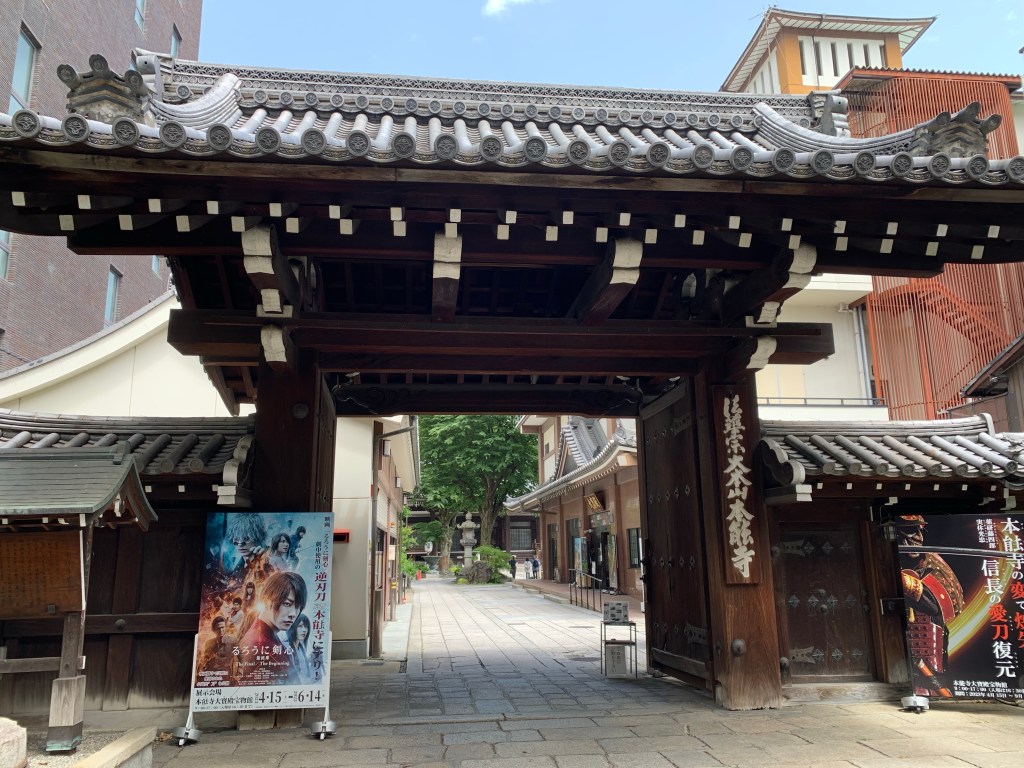
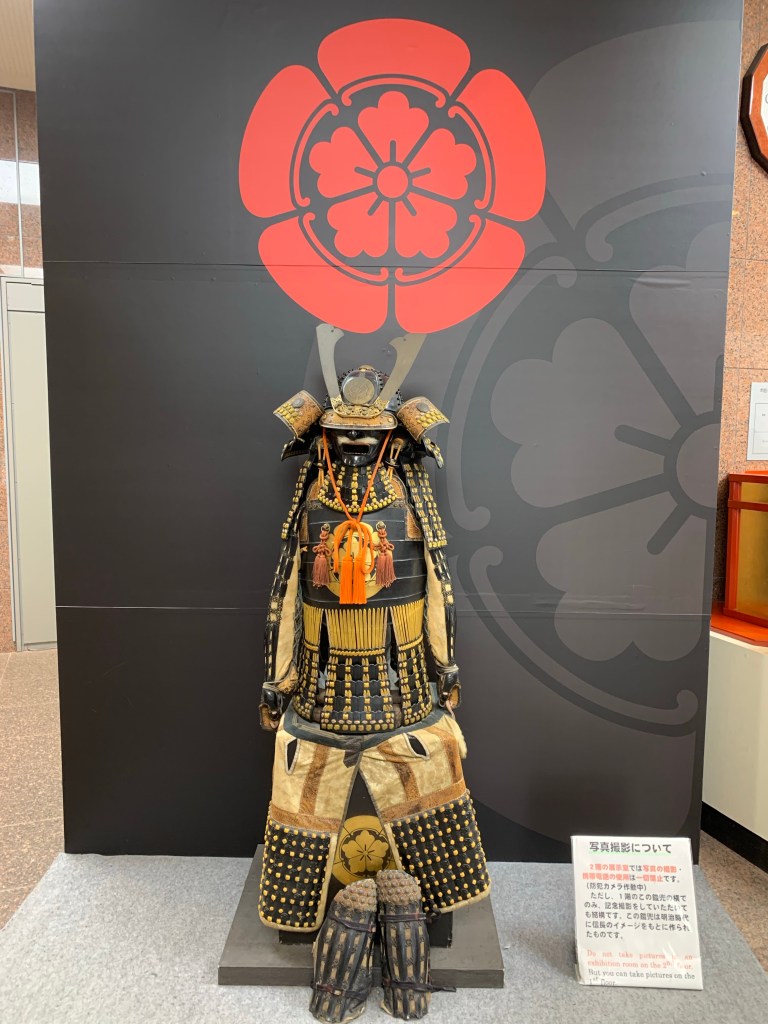
On our way to shopping we stopped in at Honno-ji, a temple famous for being where warlord Oda Nobunaga was ambushed by a turncoat lieutenant. He ended up committing suicide as th building burned down around him, ending his attempt at consolidating Japan. There was an excellent small museum of artifacts (letters, paintings, pottery, swords) relating to Nobunaga and/or the history of the temple, but pictures were not allowed.

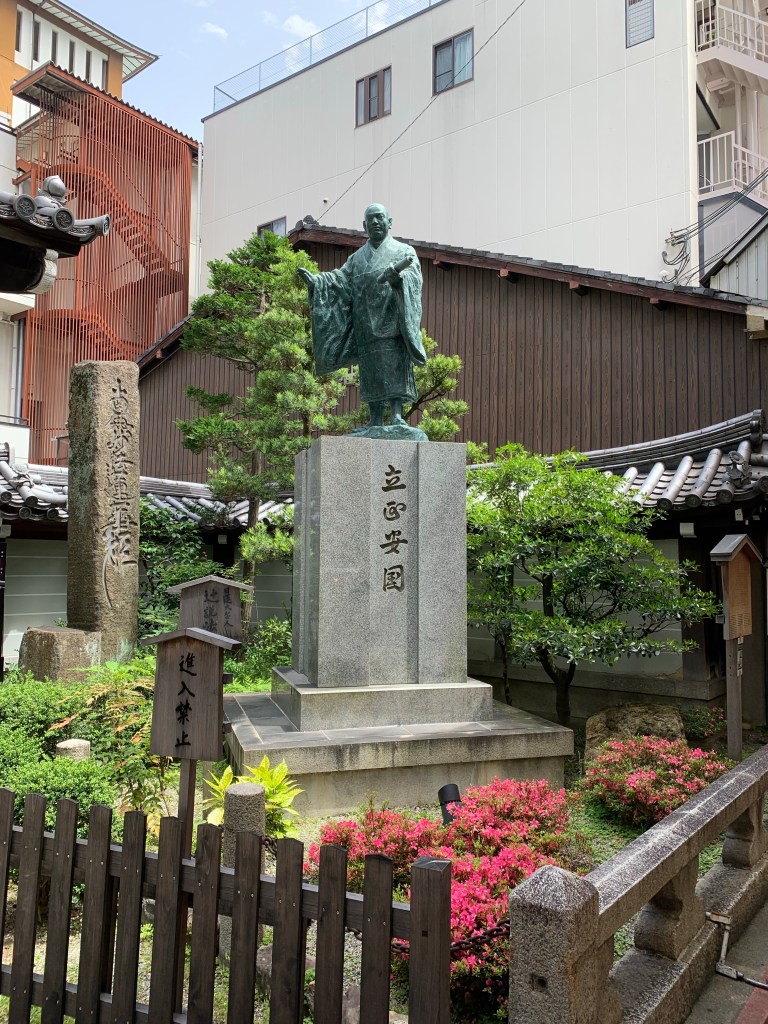
A temple abbot, not Nobunaga.
Photos allowed here… but not past here.

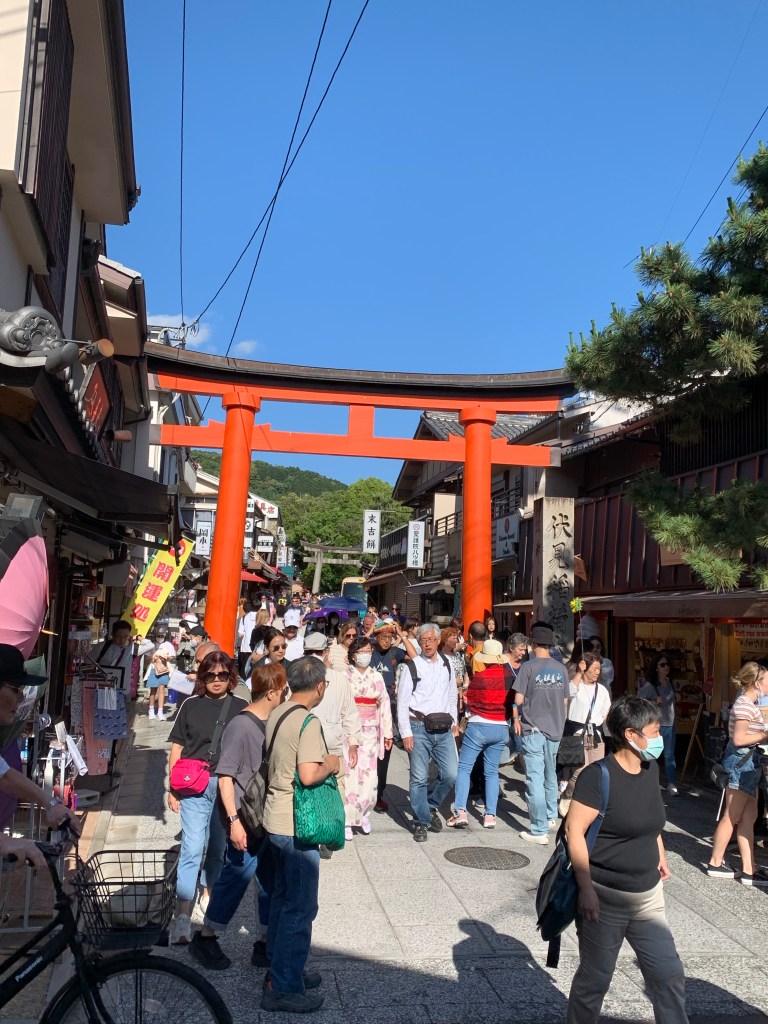
After some shopping on the covered shotengai (shopping street), we took the train down to Fushimi Inari Taisha, the head shrine for worship of Inari, the kami of (rice) harvest and prosperity. It’s another of the top tourist attractions in the area so there were lots of people, and festival-type food vendors set up along the way to the shrine.

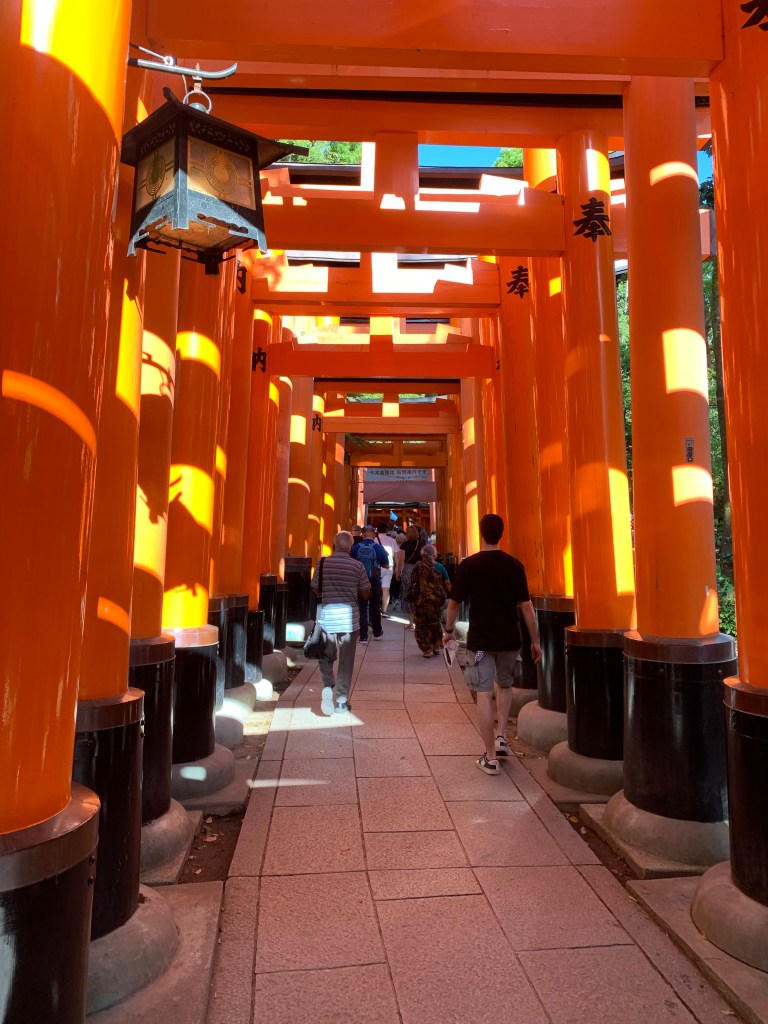
The main attraction is a pathway lined with hundreds of torii gates purchased by individuals and companies to petition for good fortune. Not much is written on the front, but on the back is the name of the donor and when it was installed.

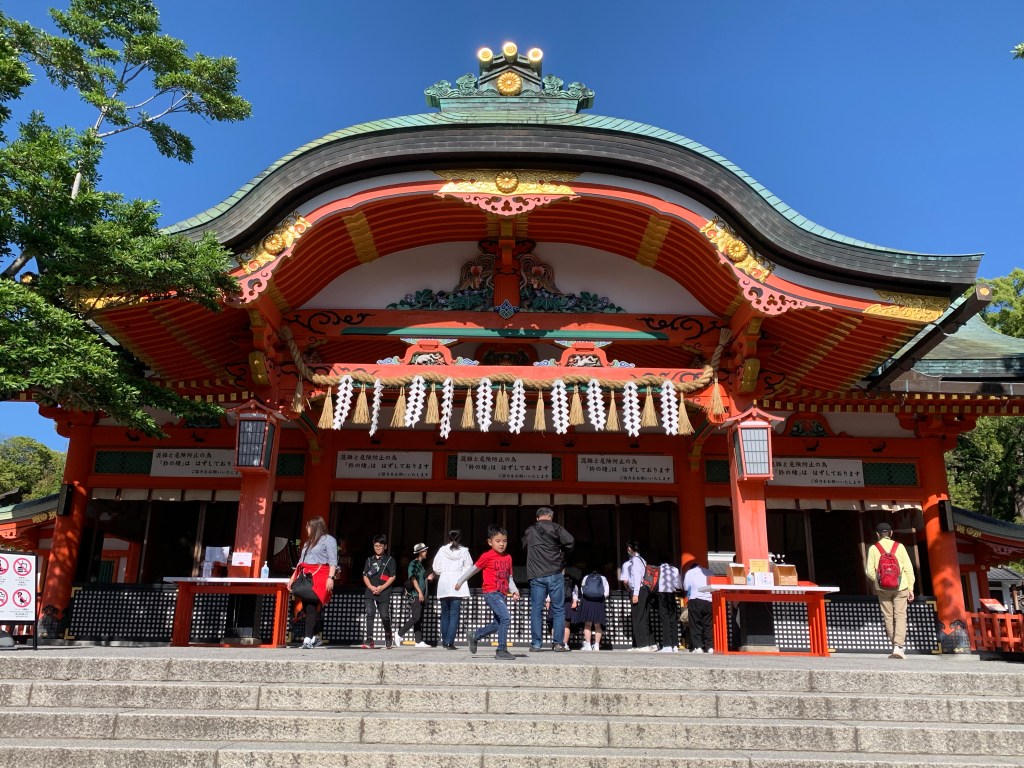
First, the shrine for prayers to the kami-sama.
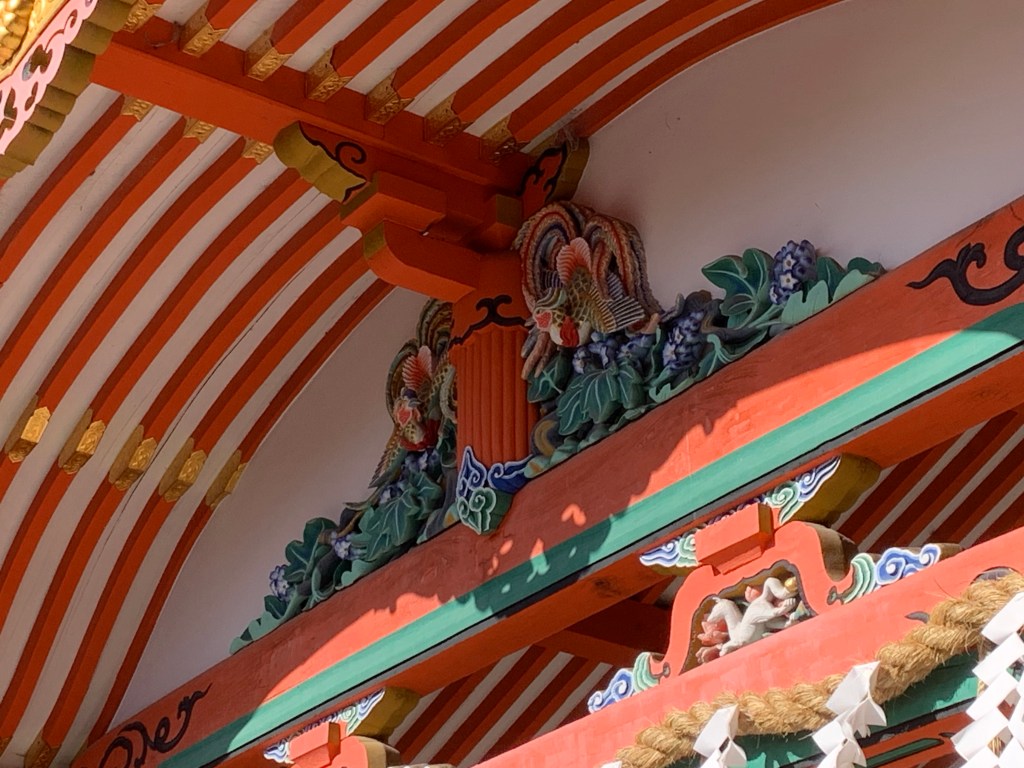
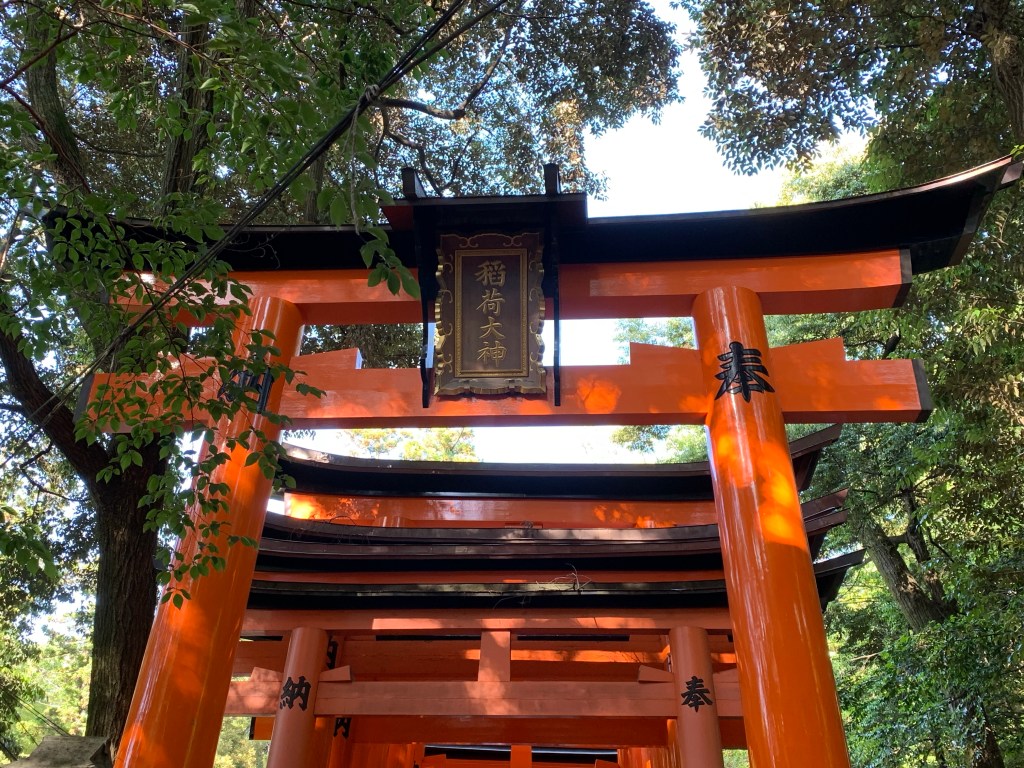
Detail on the shrine.
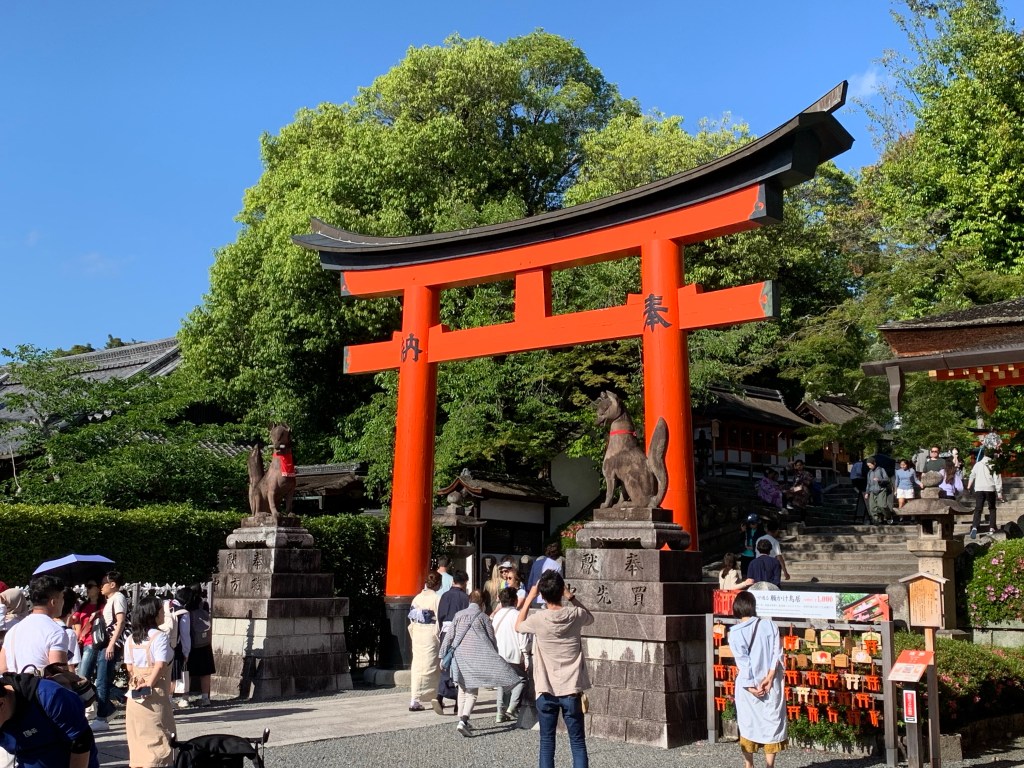
Entrance to the path of gates.
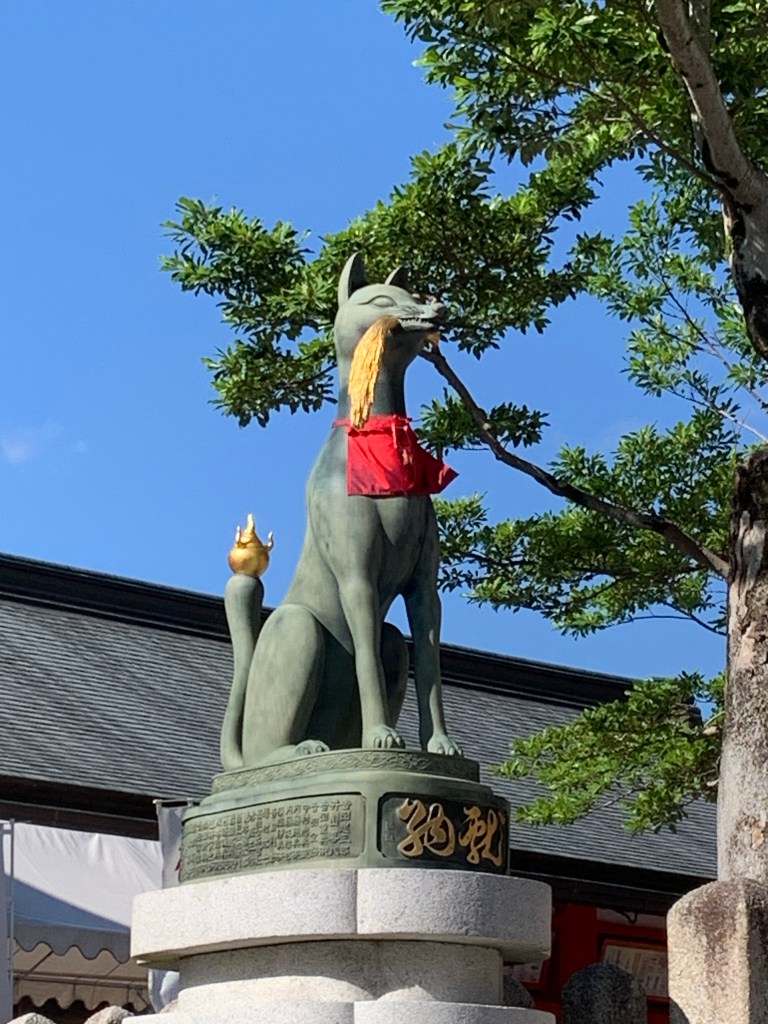
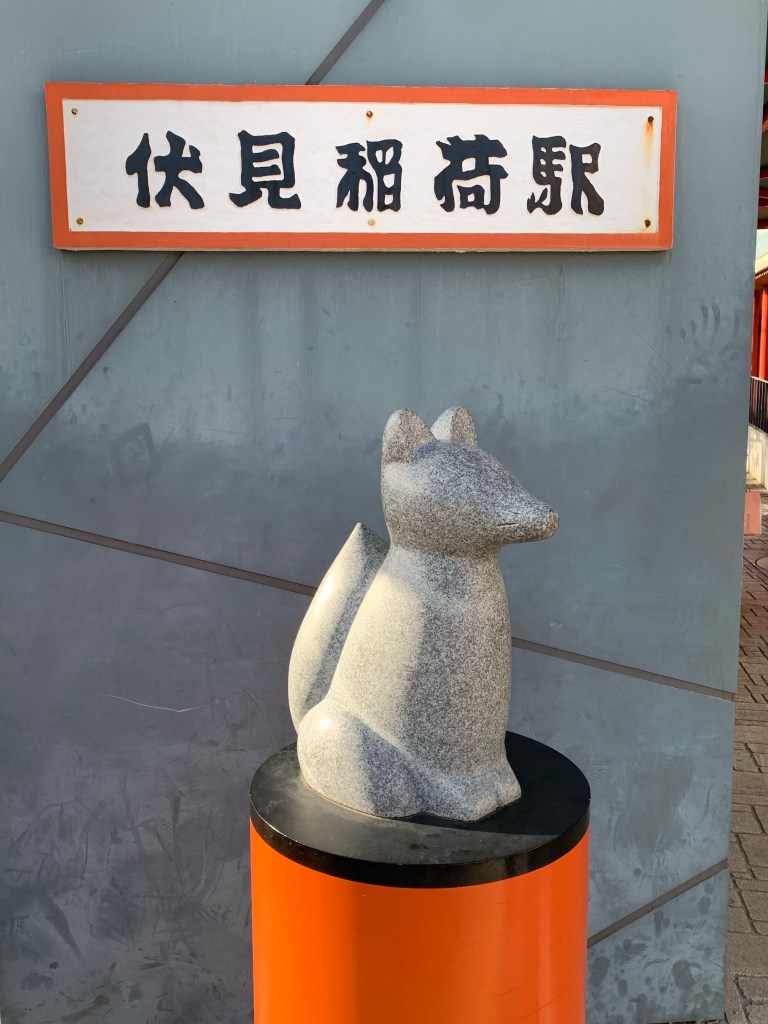
The fox is a symbol of Inari, and often has a red bib attached. Here, it holds a golden sheaf of rice, since rice equaled prosperity.
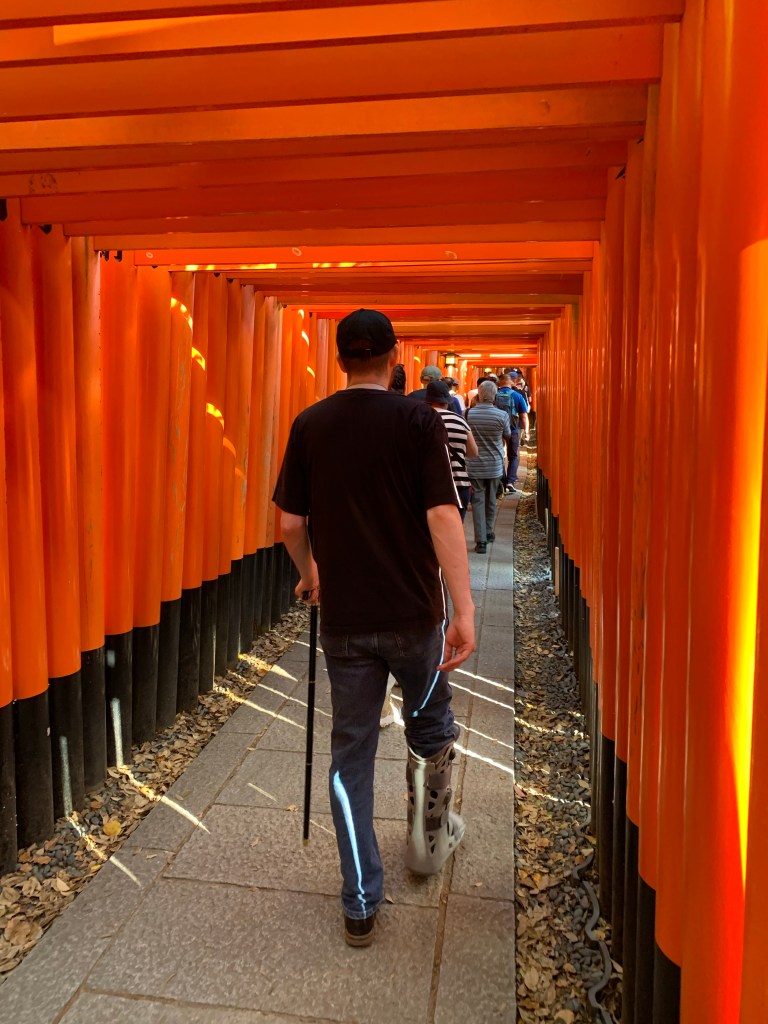
Many gates, many people.
The gates get smaller – or people get bigger?
The characters read “Inari Taisha”, great shrine of Inari.
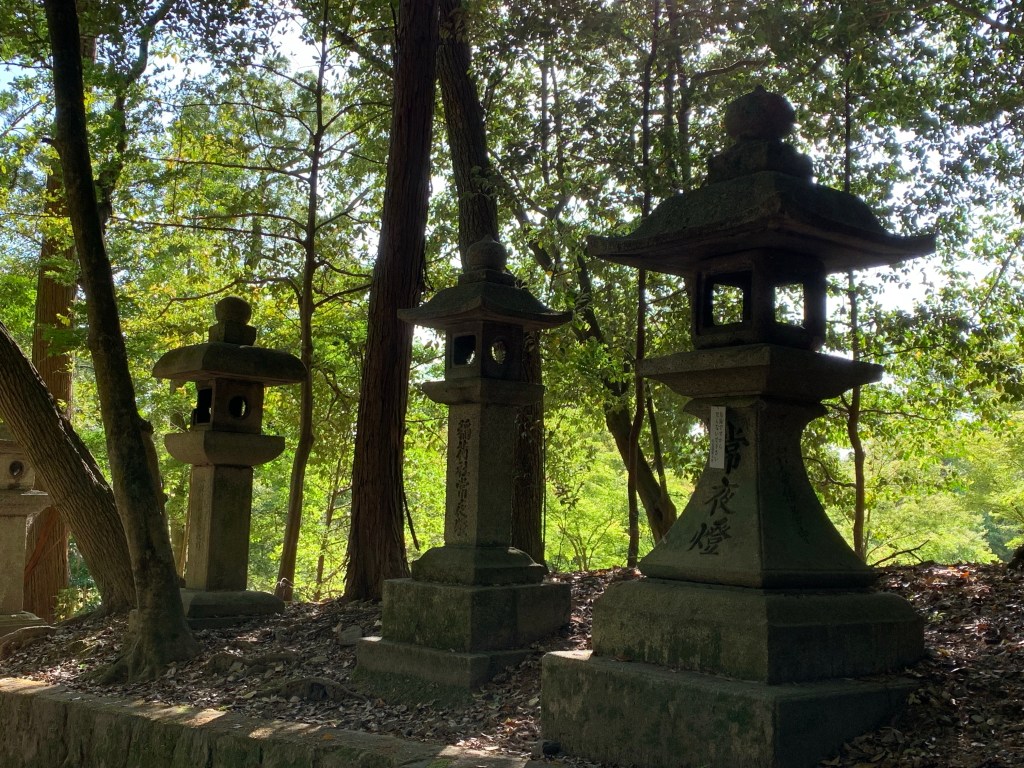
Once you exit the gates, the walk back takes you past stone lanterns in the woods.
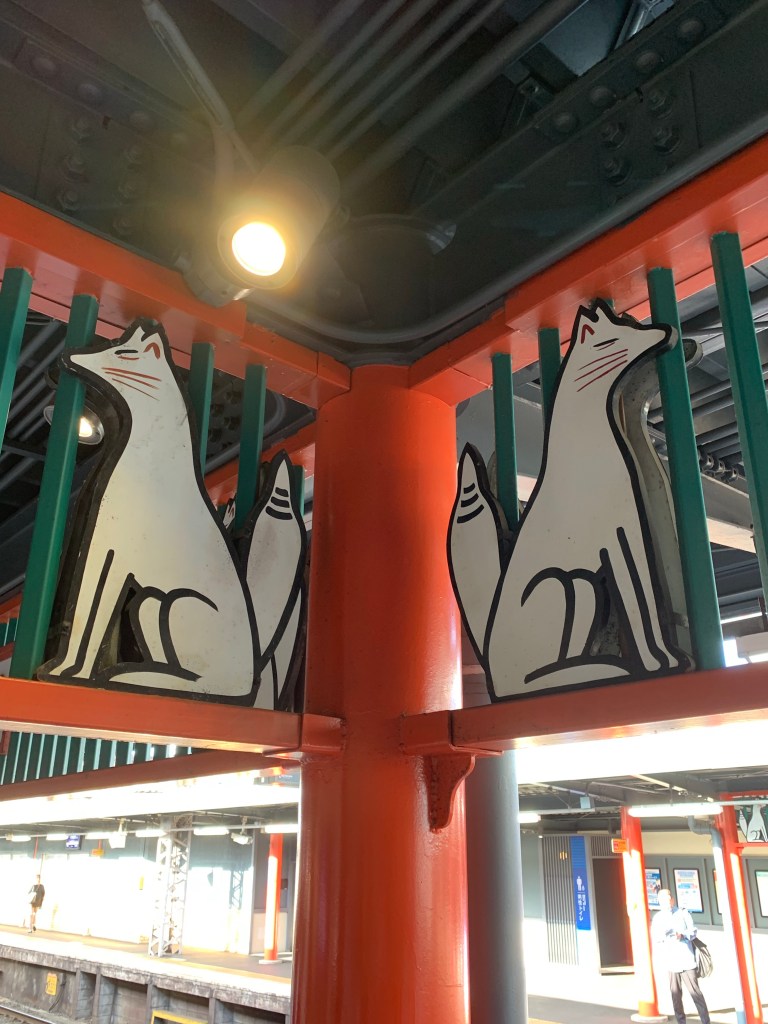
The train station also features the fox., and shrine colors.

A funny thing happened on the way to Kiyomizudera

One of the top tourist attractions in a city full of them is Kiyomizudera temple. Situated in the hills to the east of the city it’s a large and important temple complex with a good view of the city, and historic and charming shopping streets lead to and from the temple. All of this adds up to – a lot of tourists.

My plan was to was to walk to it from Yasaka shrine, which we had visited Saturday evening, following various paths and Nene-no-michi street. Nene, as I found out, was Toyotomi Hideyoshi’s wife (well, one of his wives, and the principle one) who was accomplished in her own right, and after her husbands death, she became a Buddhist nun and founded the temple of Kodai-ji. Which, as it turns out, is on Nene-no-michi street, and which I wandered into with no prior plan to do so.

This being Kyoto, there were a variety of things to see even before I got to Kodai-ji…

Maruyama park
Gate to Choraku-ji temple.
Gate of Daiun-in, where Oda Nobunaga is buried.
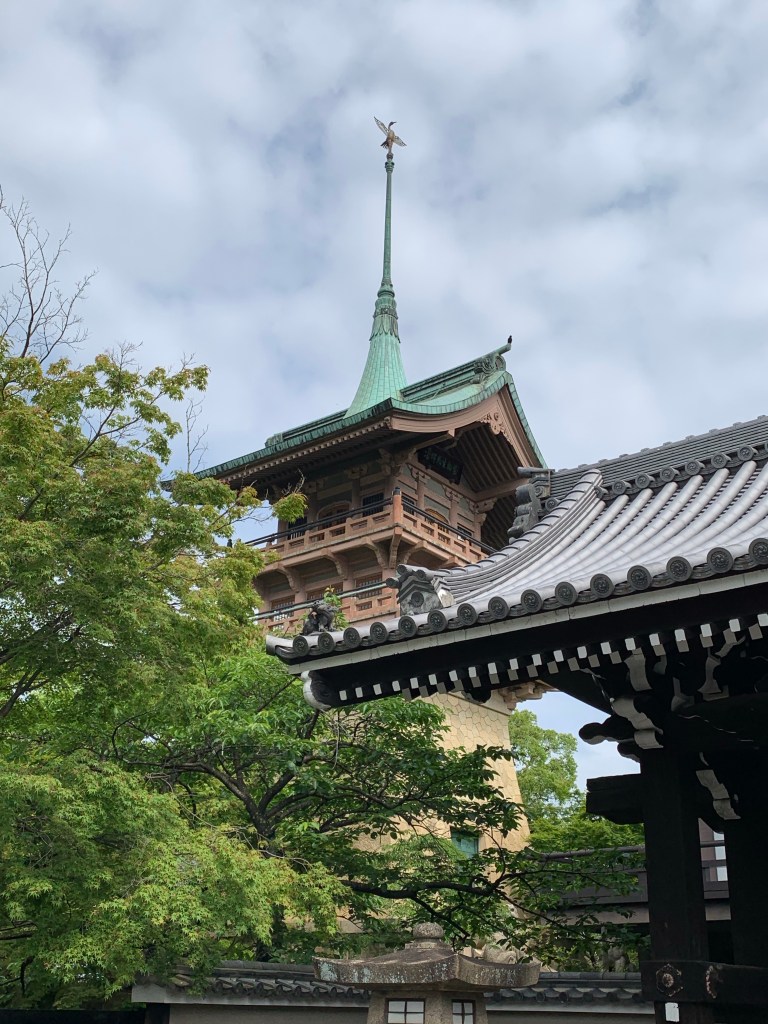
Tower of Daiun-in temple.
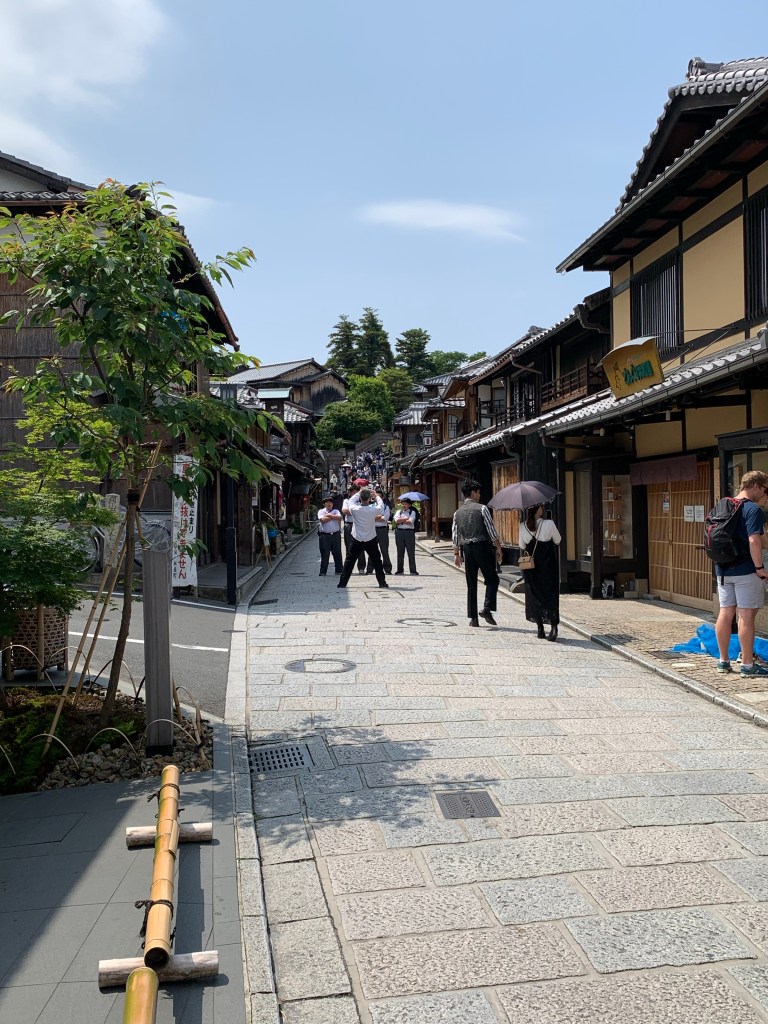
Kyoto street scenes

As you can see, there were any number of things I could stop and look at, though my goal was Kiyomizudera and the streets leading up to it. Then I saw a sign for “Zen temple”, and these stairs leading up and I thought, well why not?

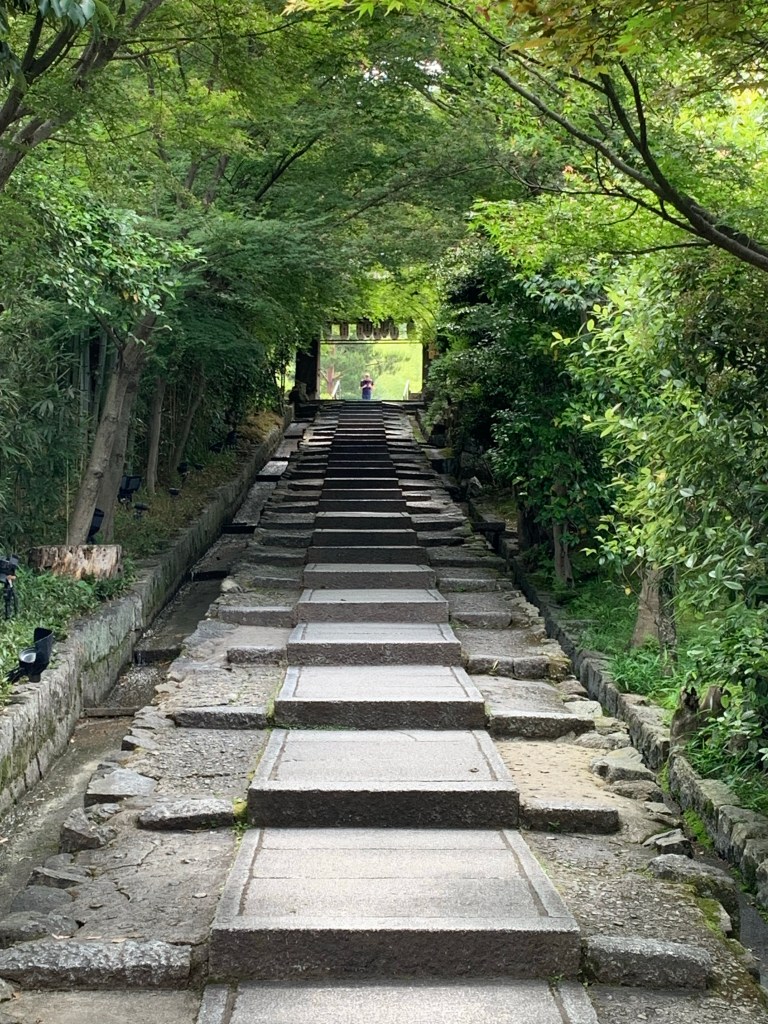
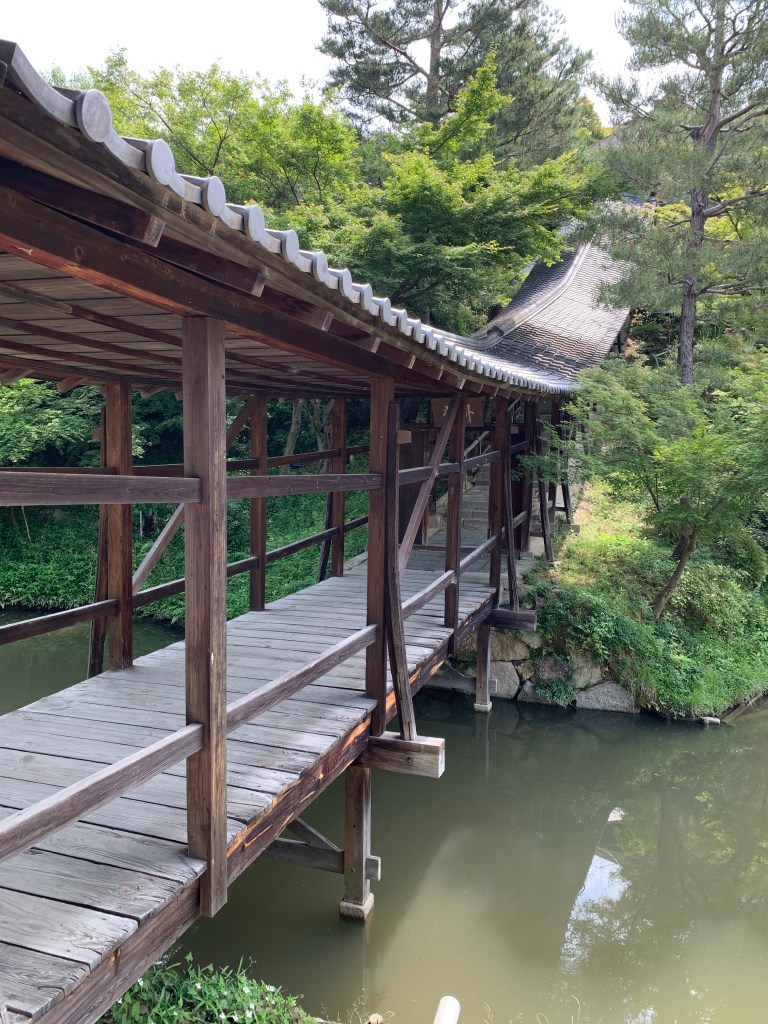
Stairs to Kodai-ji
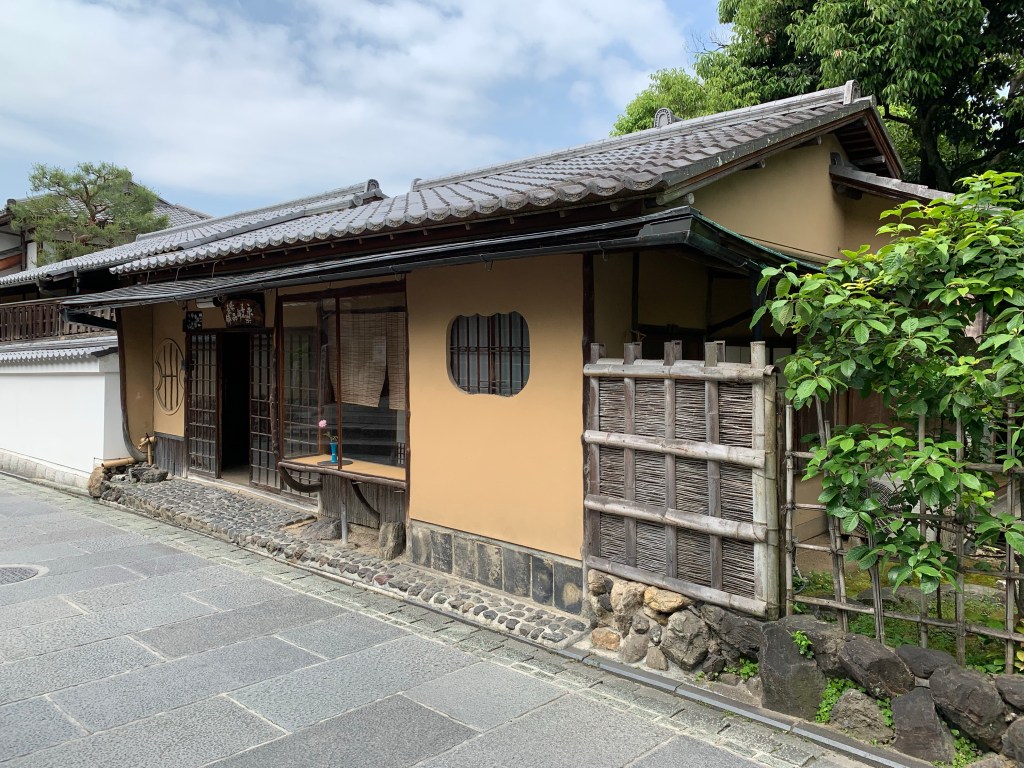
A tea house
Stairs up the hill, not accessible to visitors.
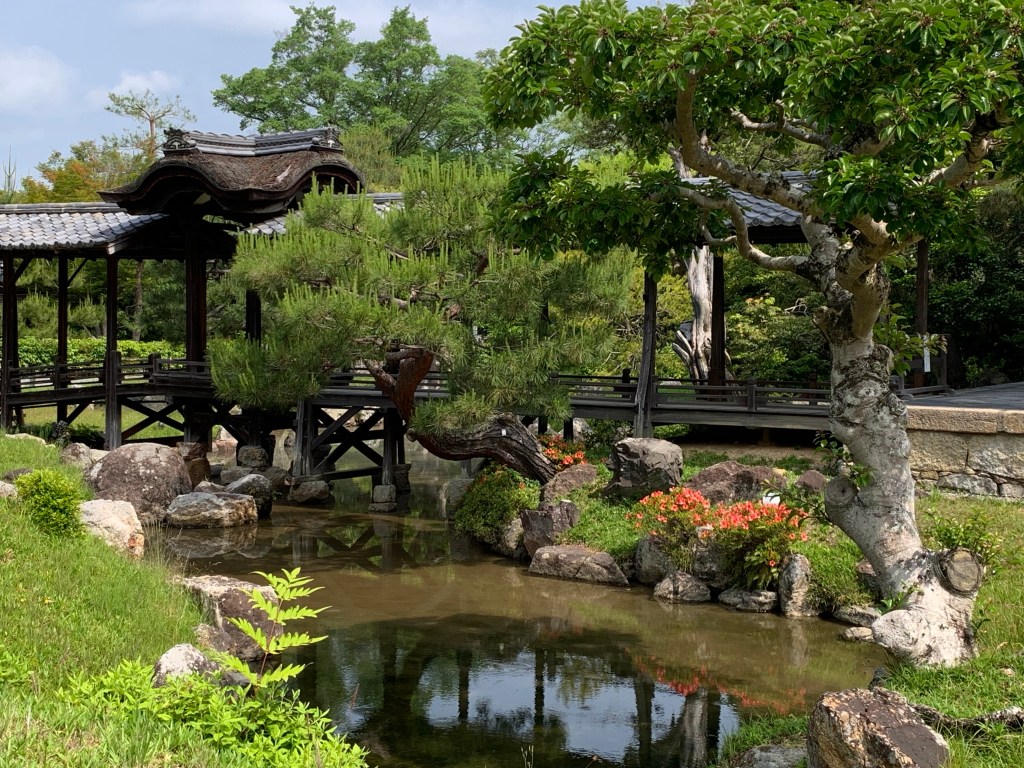
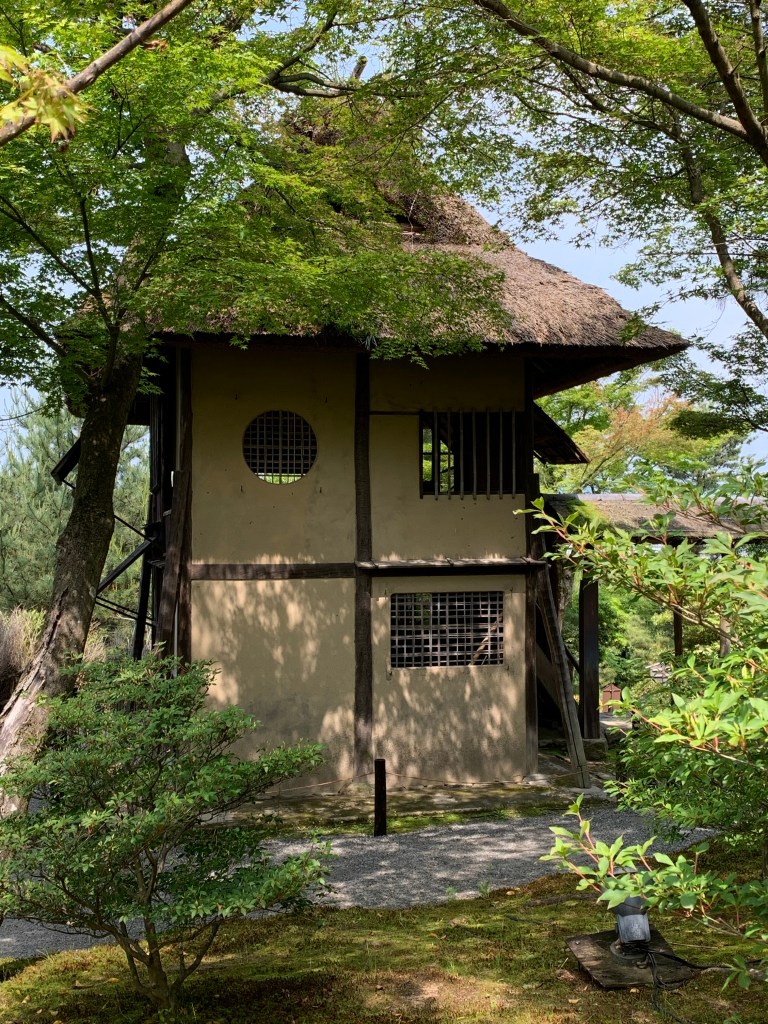
Two story tea house at the top of the hill.
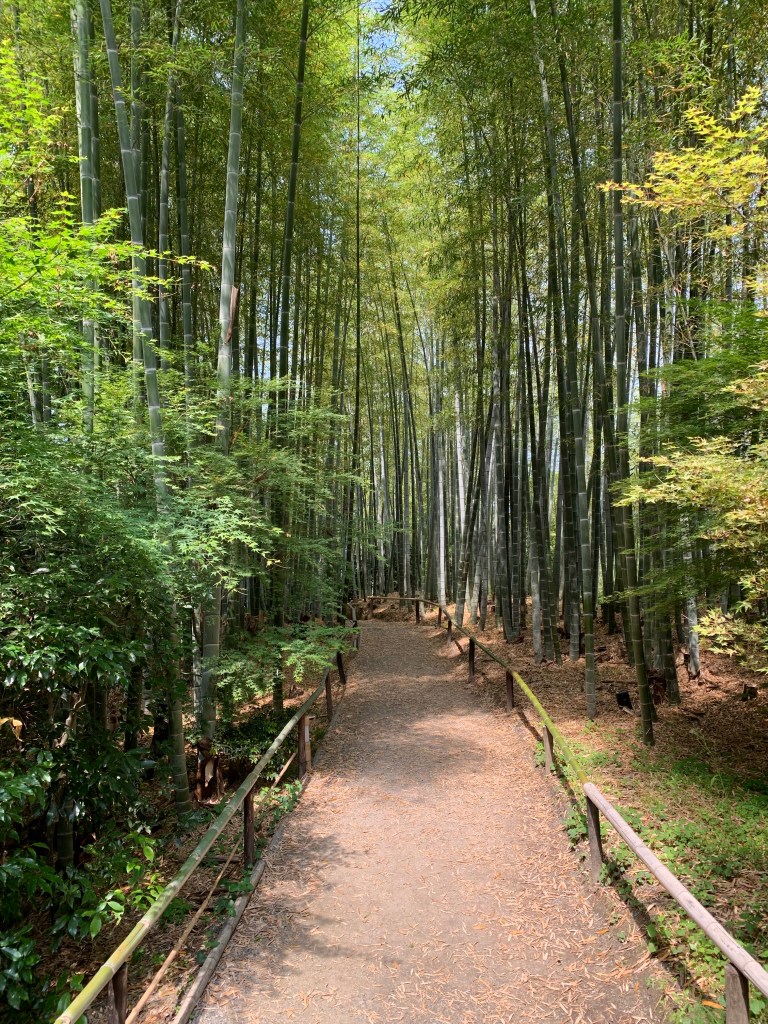
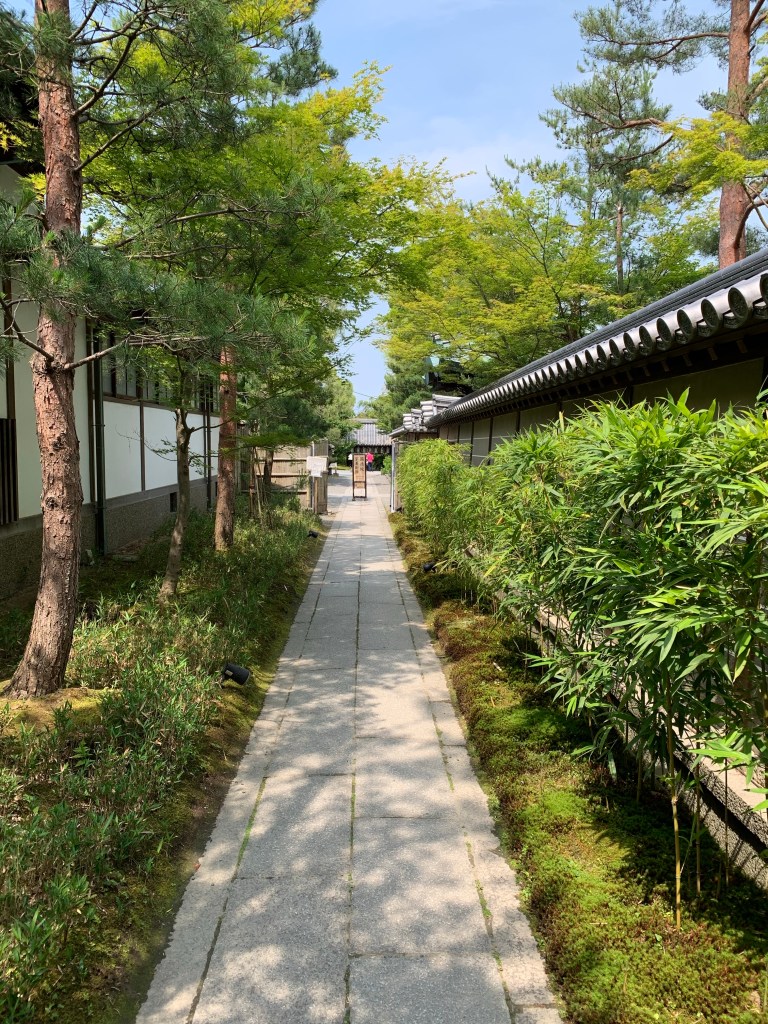
Bamboo forest on the path down the hill.

Kodai-ji was pretty, peaceful, and relaxing. Which was good, because pretty soon I arrived at the first of the streets leading to Kiyomizudera, which were a bit busy.

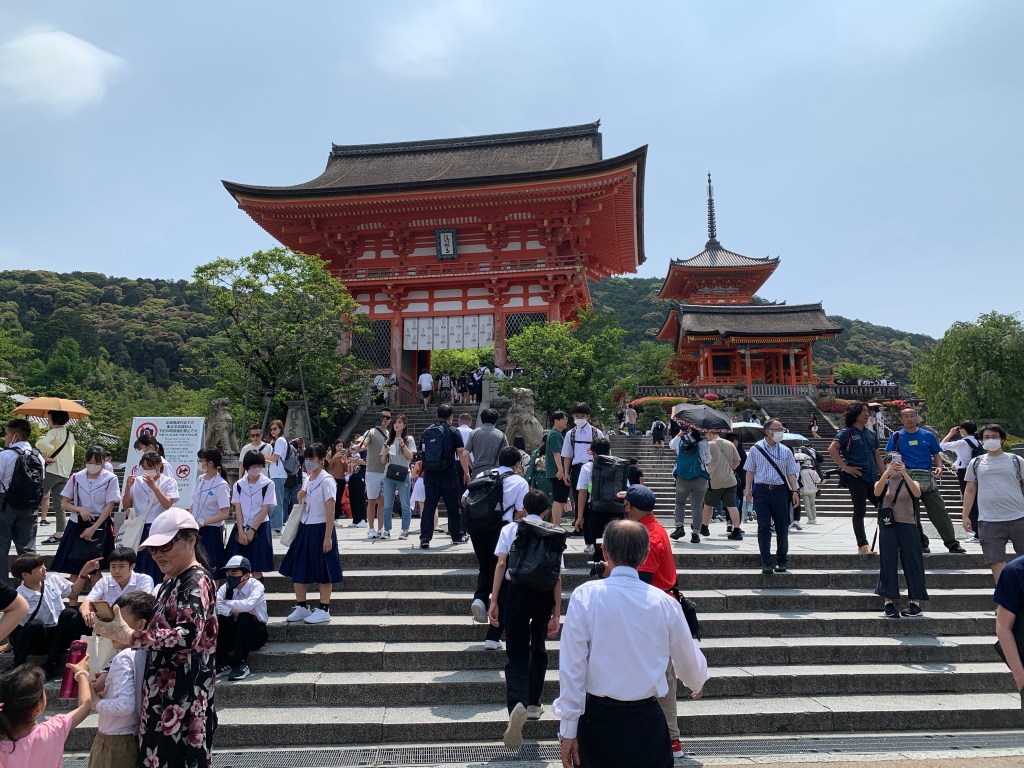
Schoolkids posing for a photo.
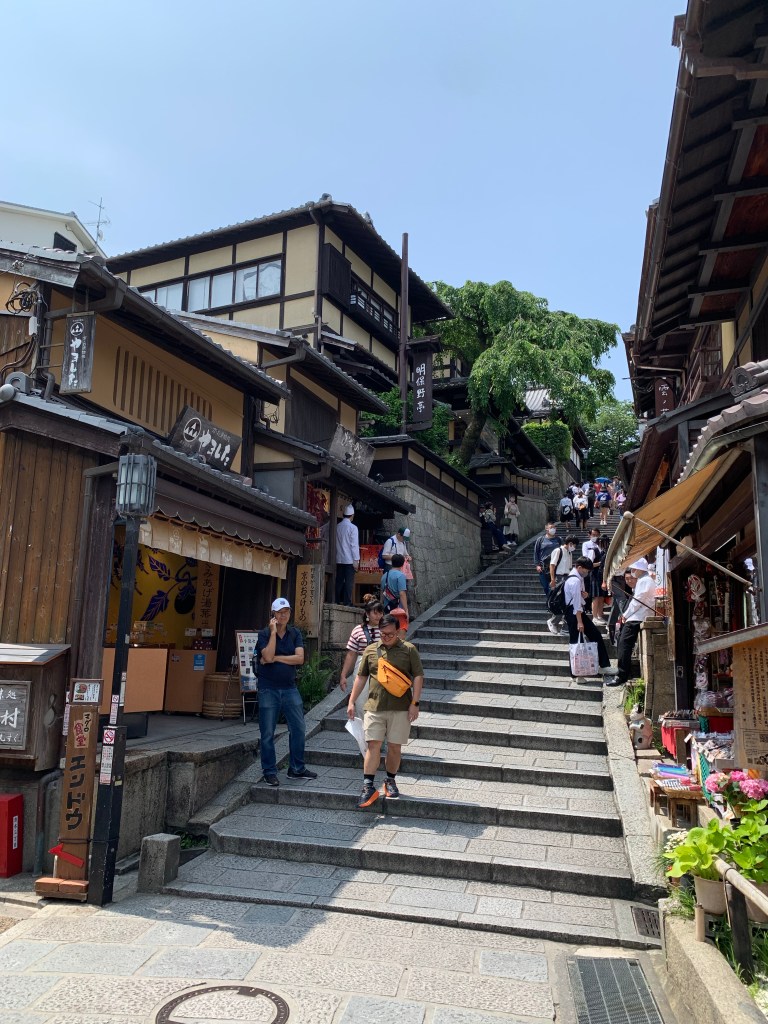
It’s all uphill from here.

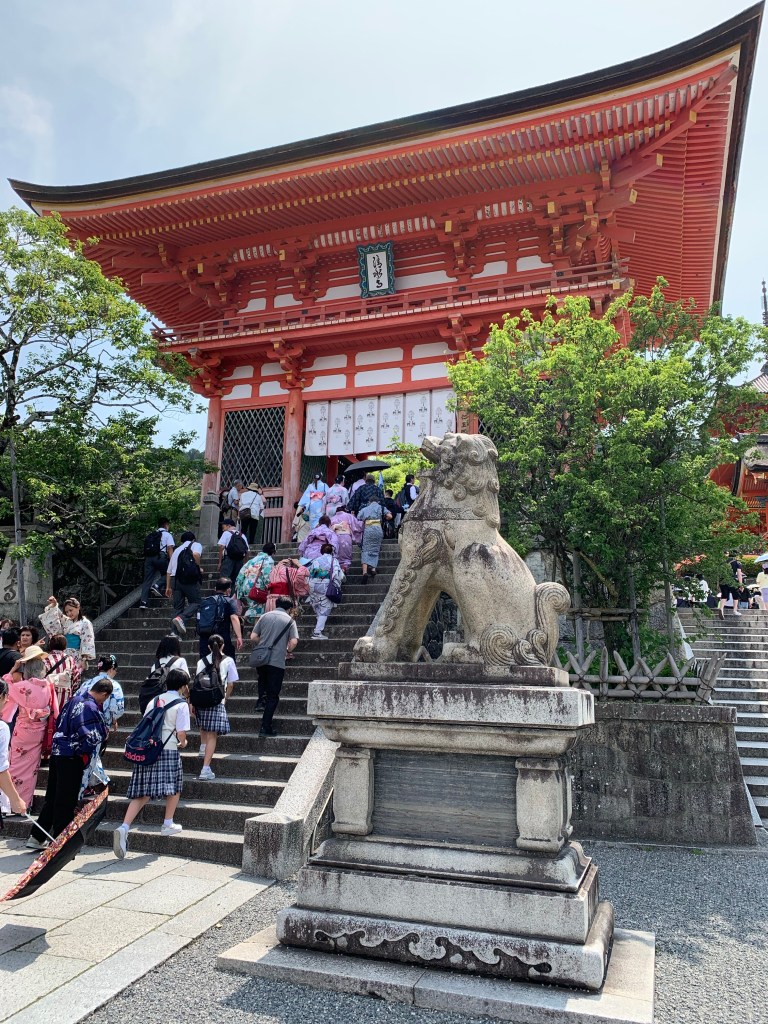
Finally arrived at Kiyomizudera temple… along with everybody else.

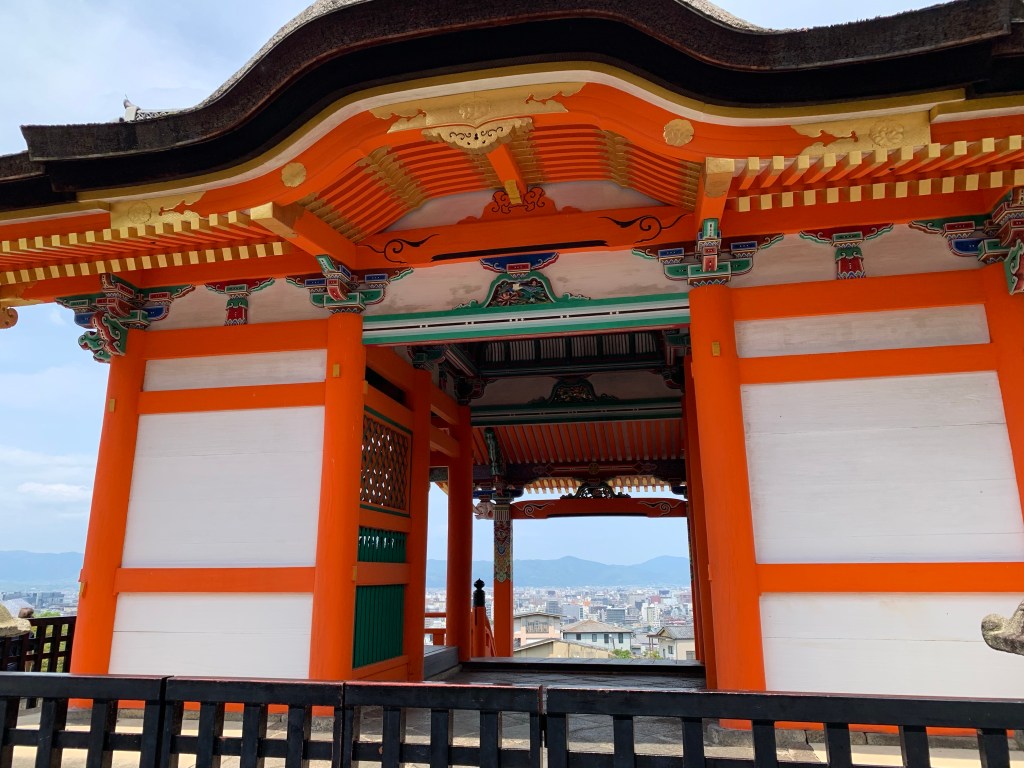
View of Kyoto through a gate.
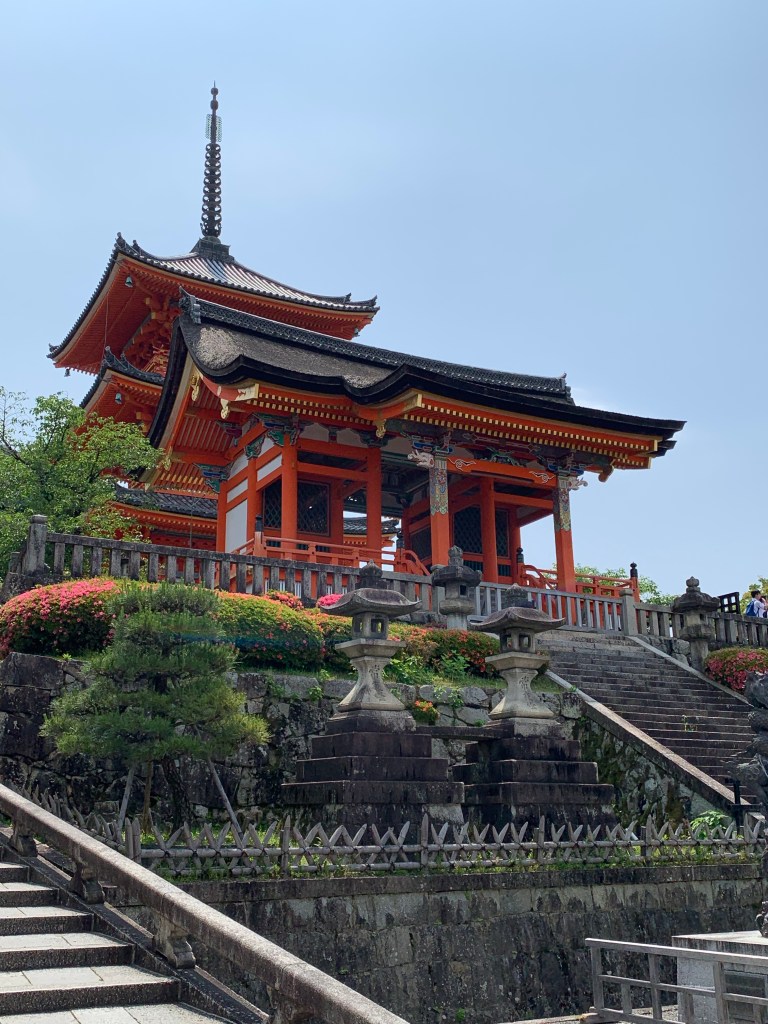
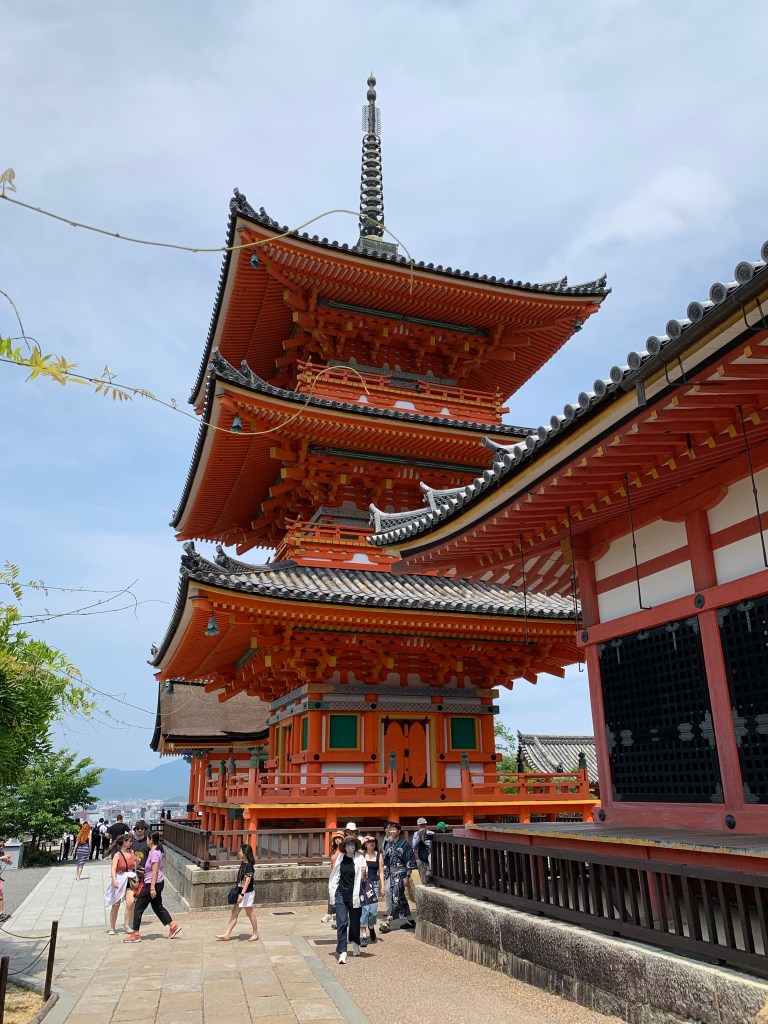
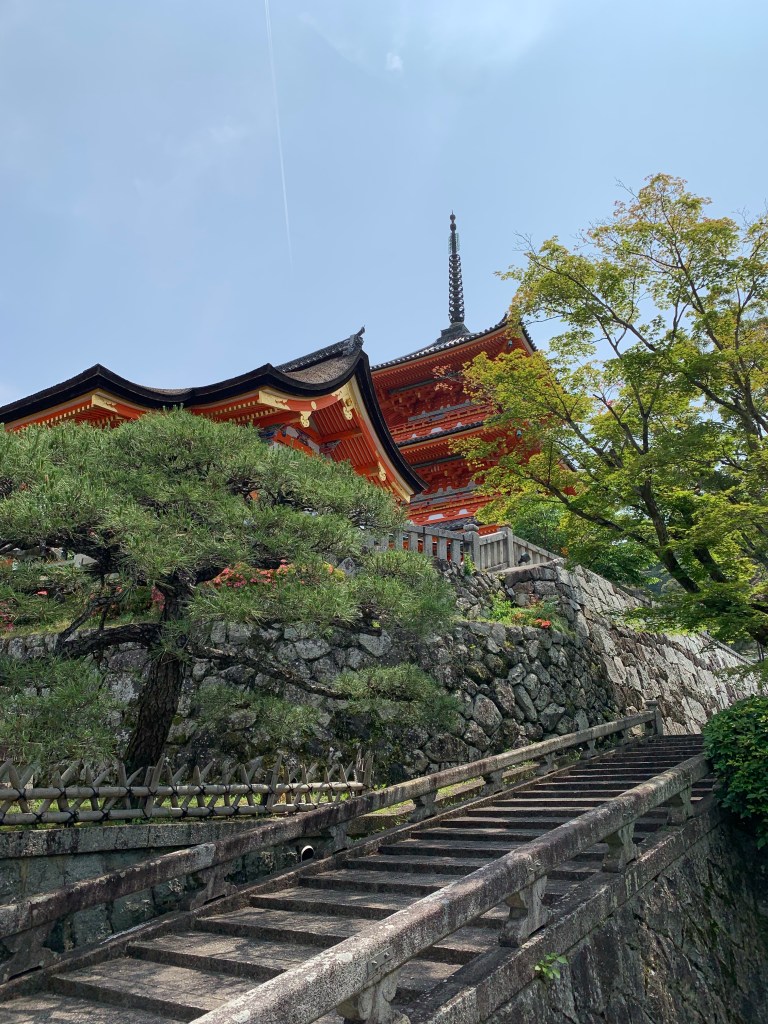
The grand pagoda.
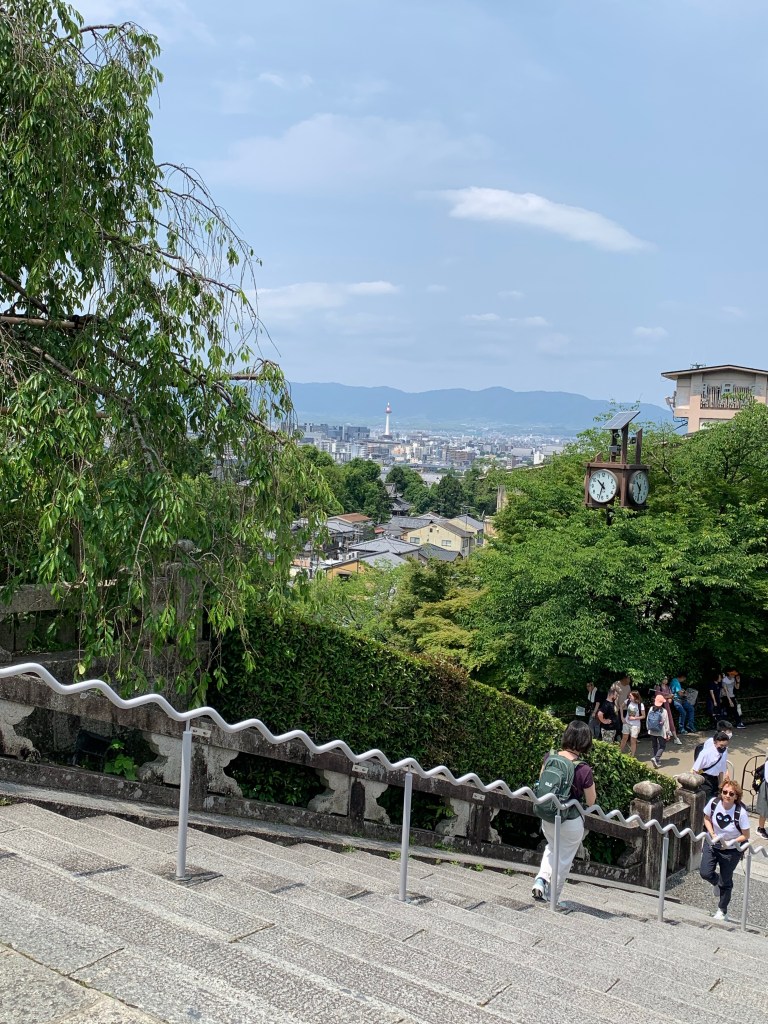
A view of Kyoto, with Kyoto Tower visible in the distance.

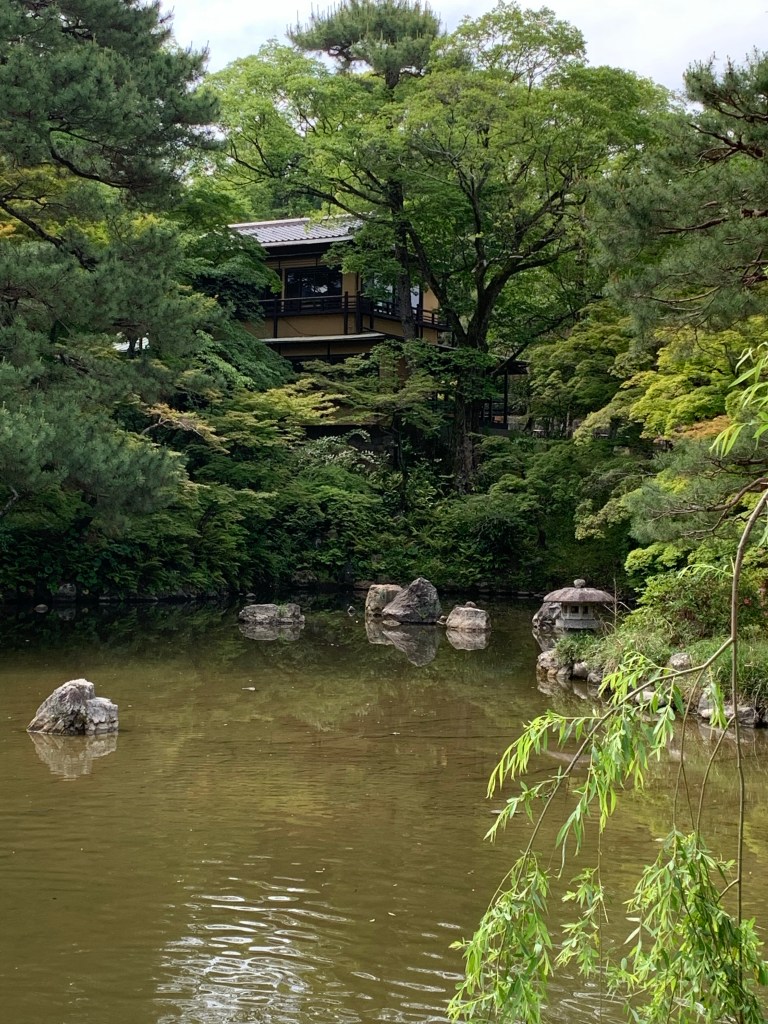
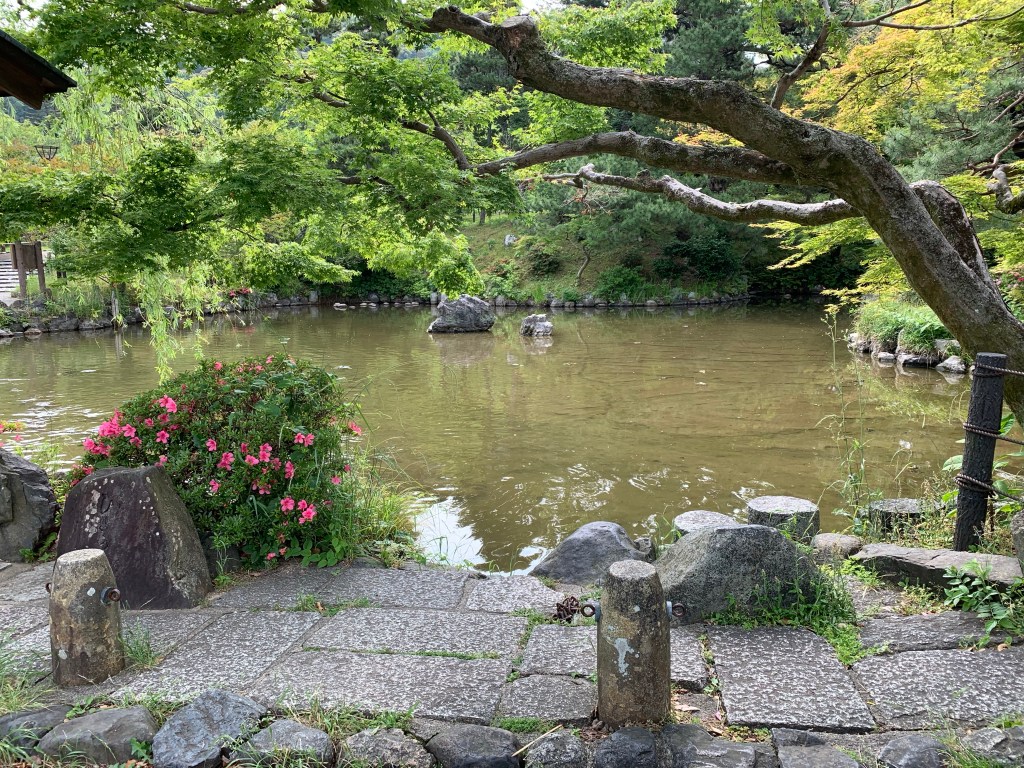
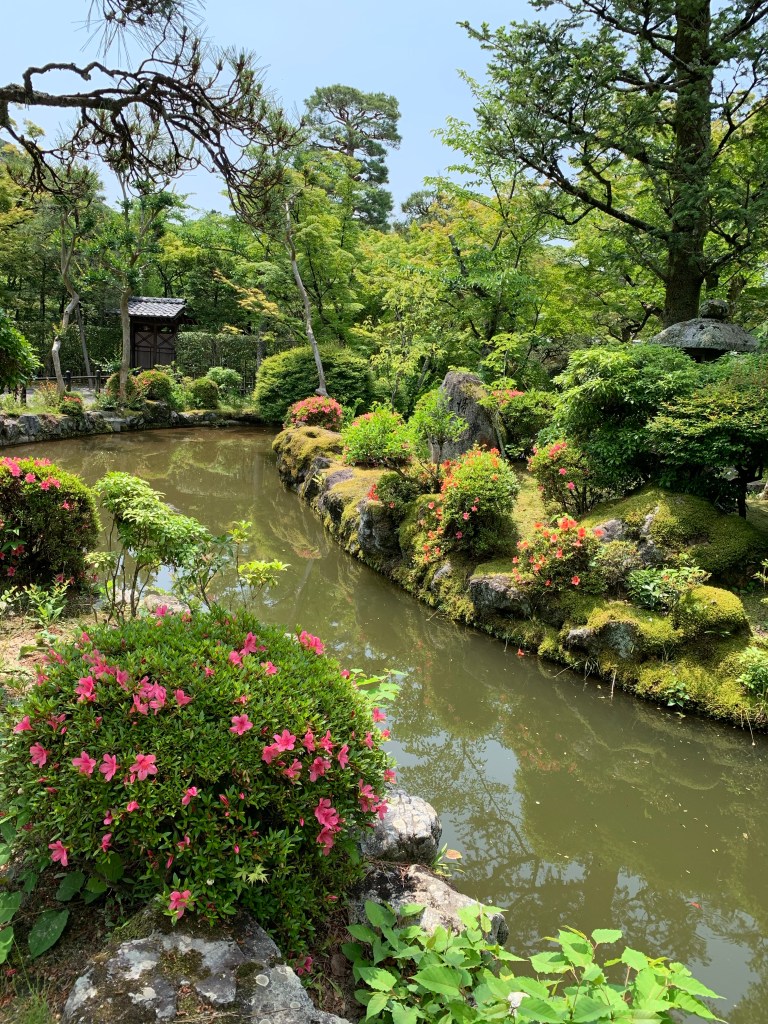
I elected not to go into the temple. I thought I could walk around to some parts below the temple (including a spring which is the “mizu” part of the name, meaning water) but apparently that was part of the paid area. Still, found a nice garden.

Himeji Joe

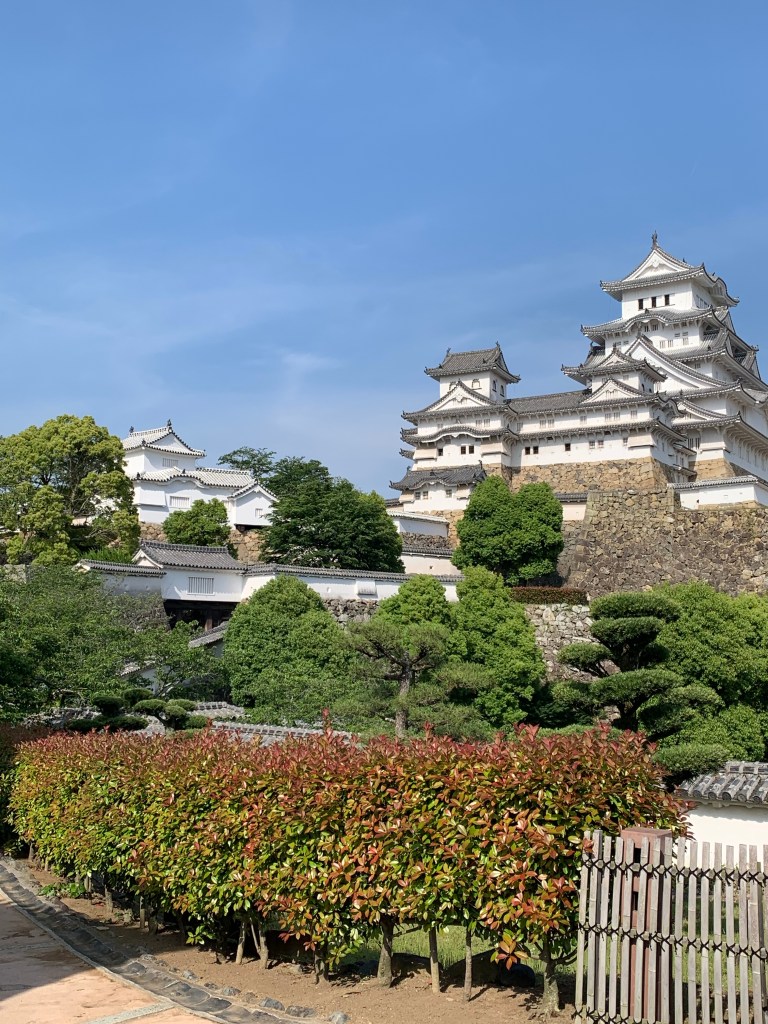
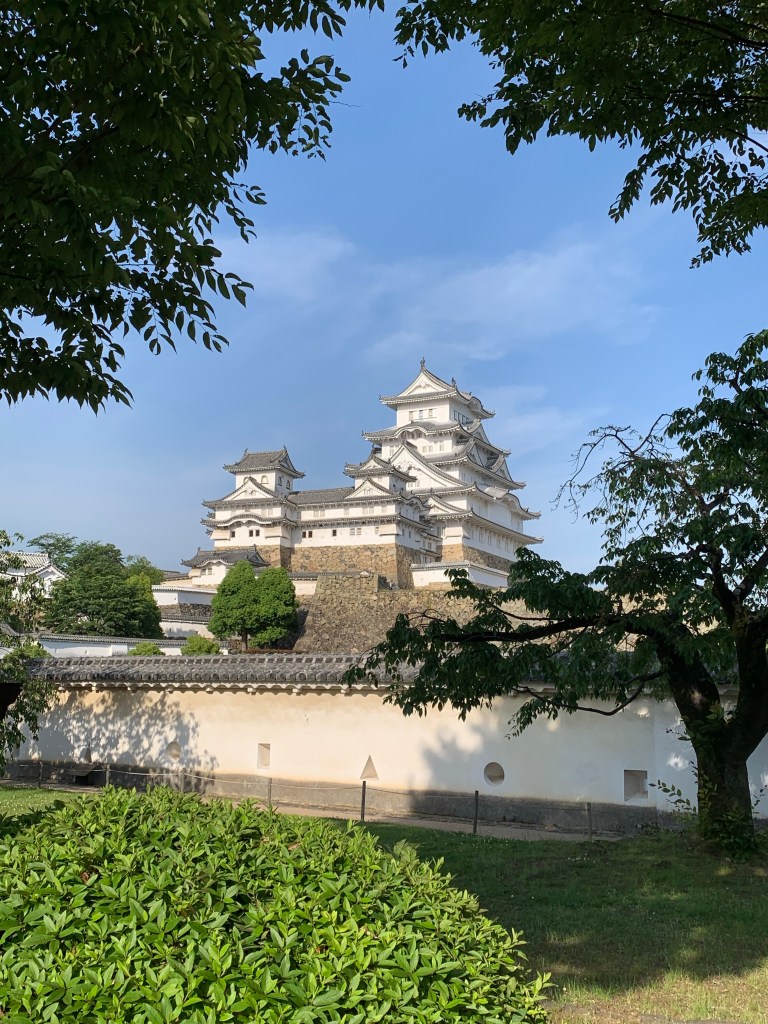
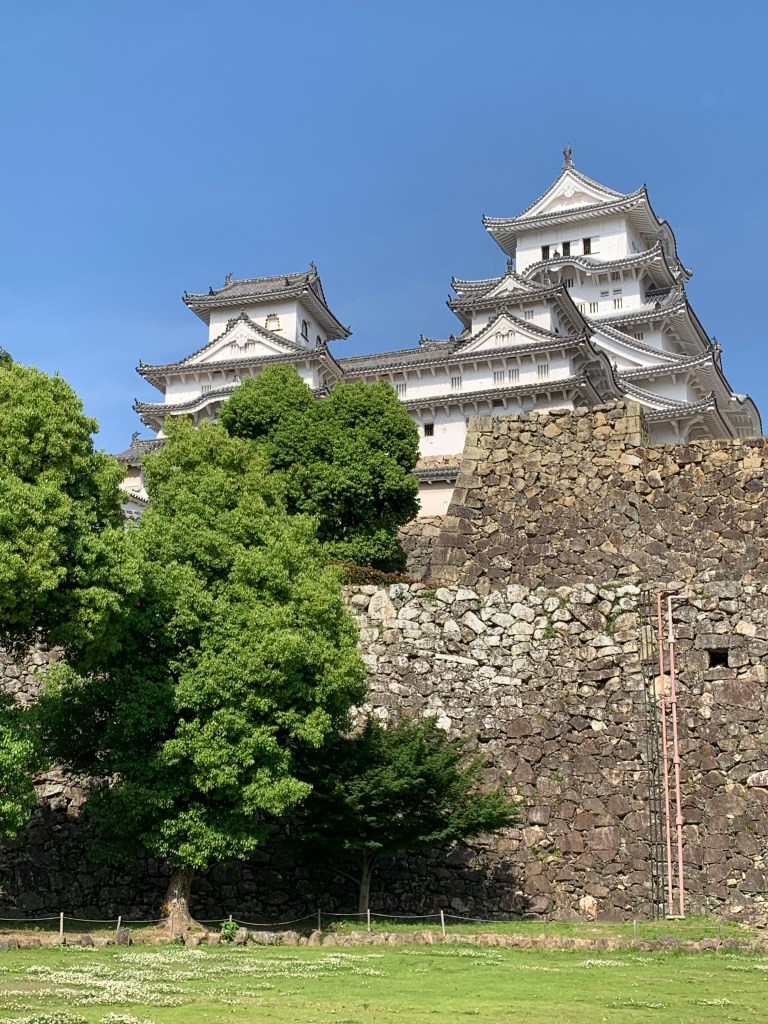
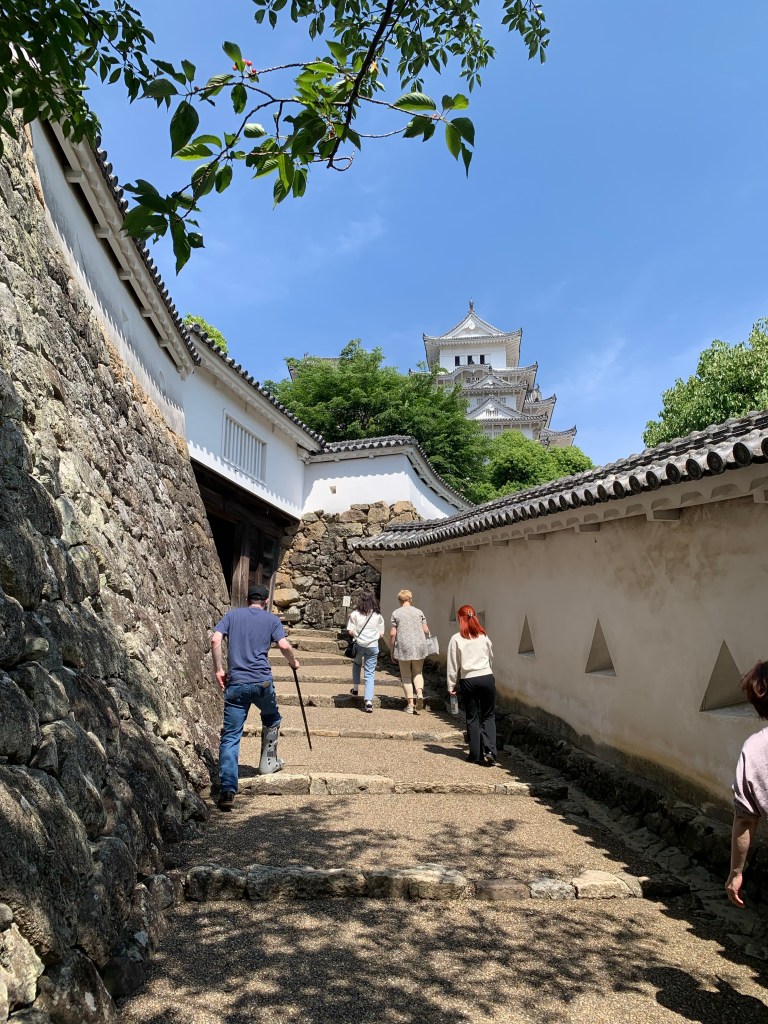
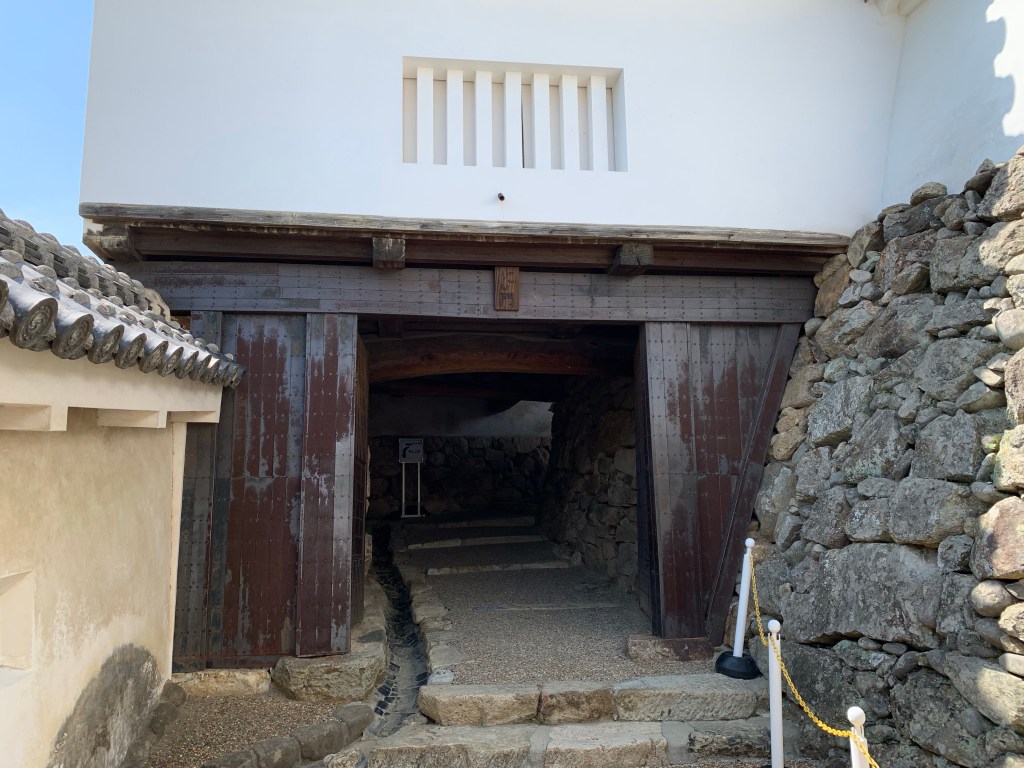
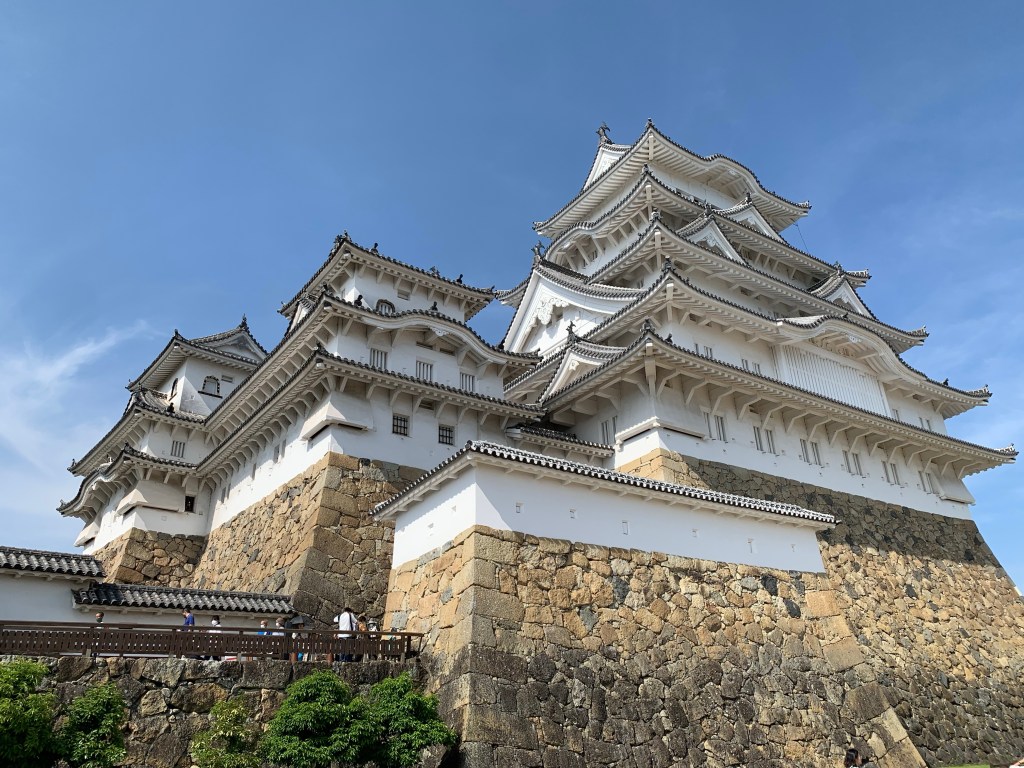
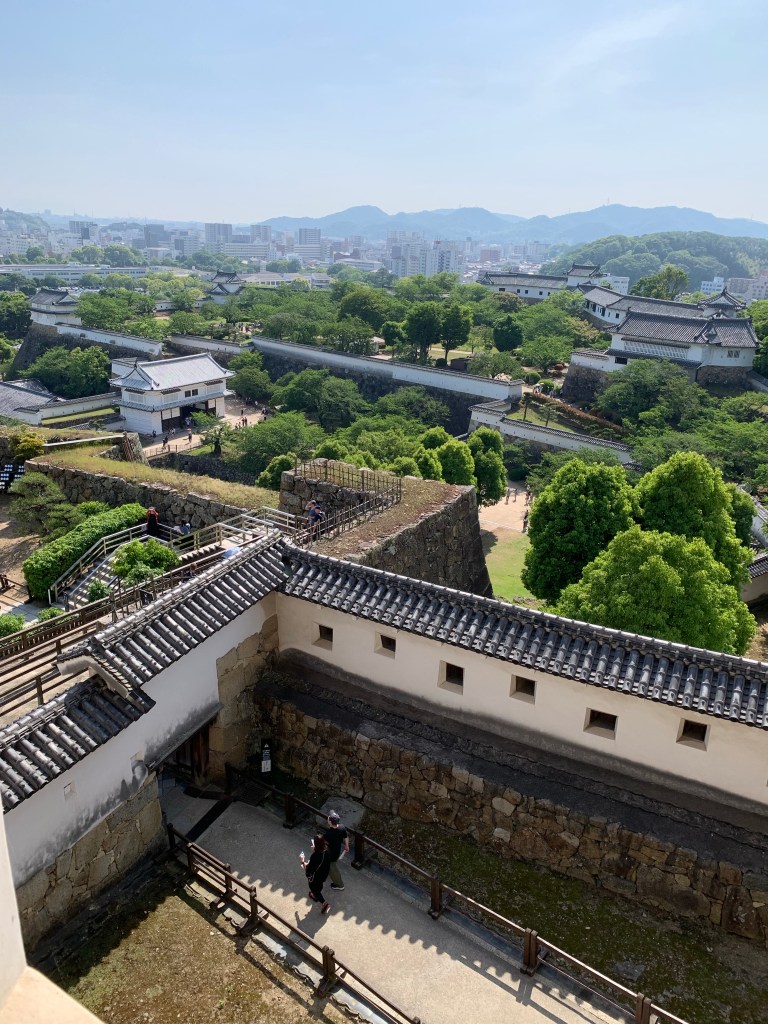
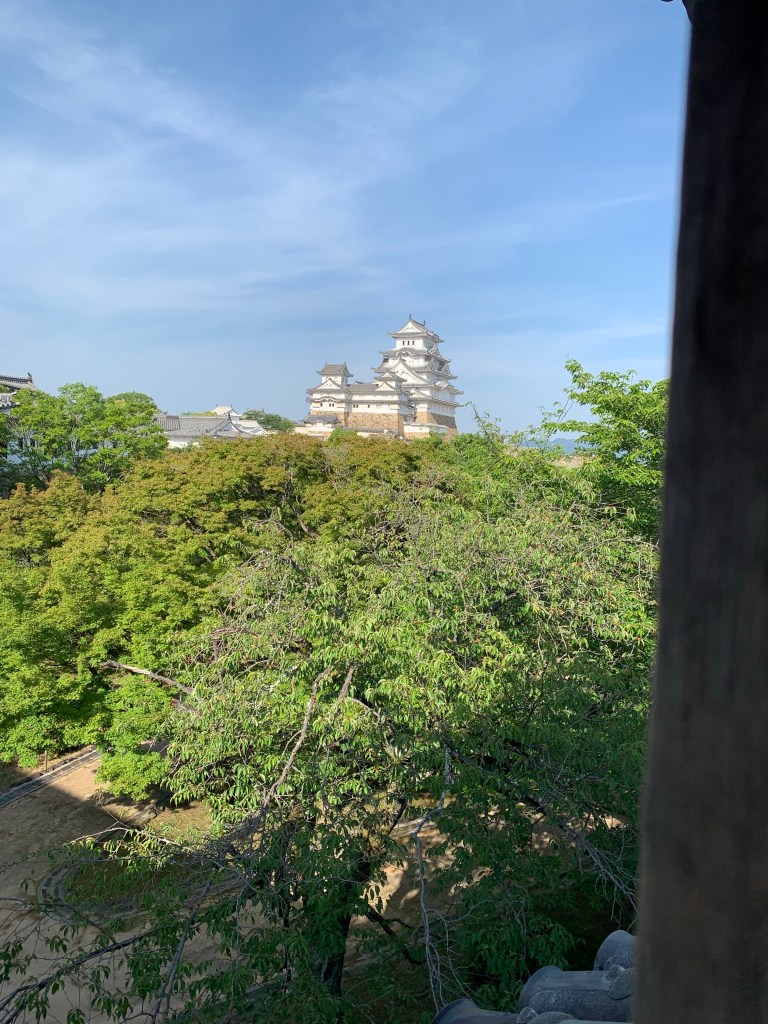
Today can be summed up in one word: Himejijo. Himeji castle is known as the White Heron castle for it’s color and beauty, and is a UNESCO world heritage site. The original castle was built in the 1400s, but it was greatly expanded on beginning with Toyotomi Hideyoshi and continuing with a series of post-Sekigahara daimyos. It’s difficult to convey the size and scope of the castle in photos, but here goes…

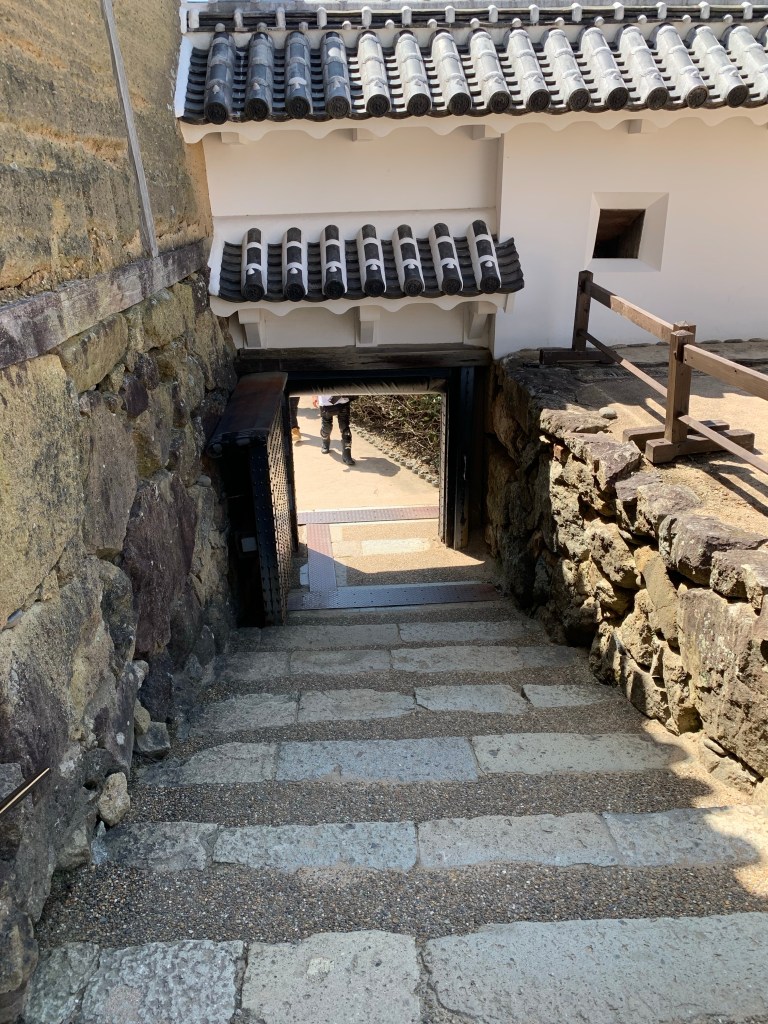
A long walk up through winding pathways.
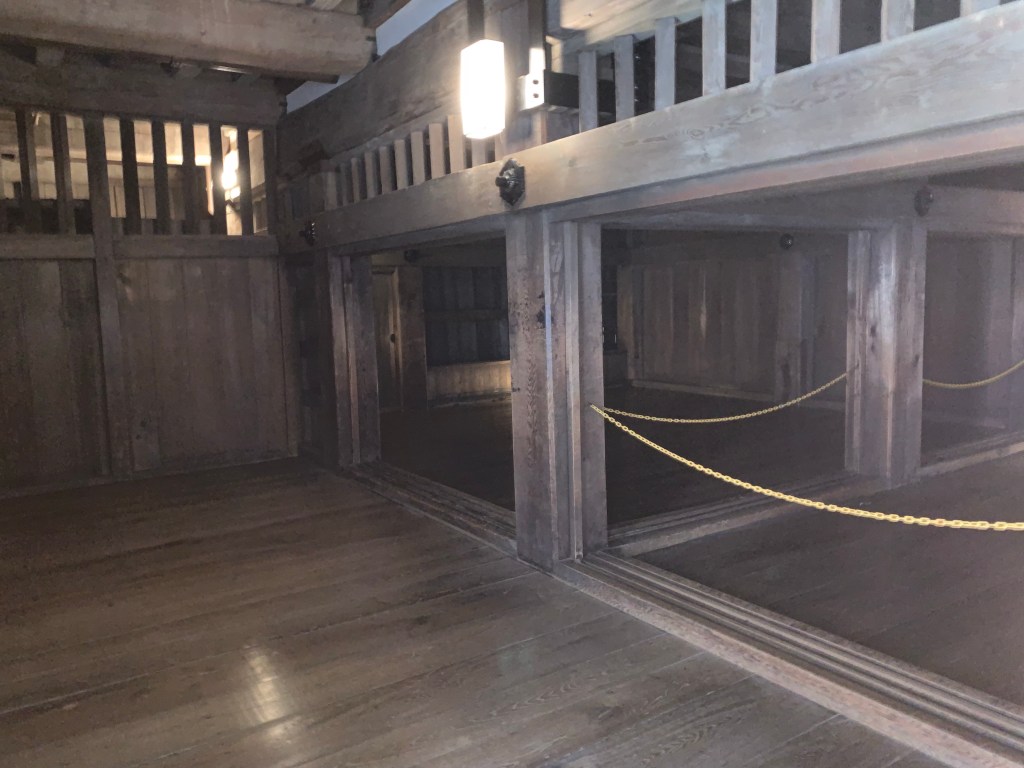
Inside the main keep.
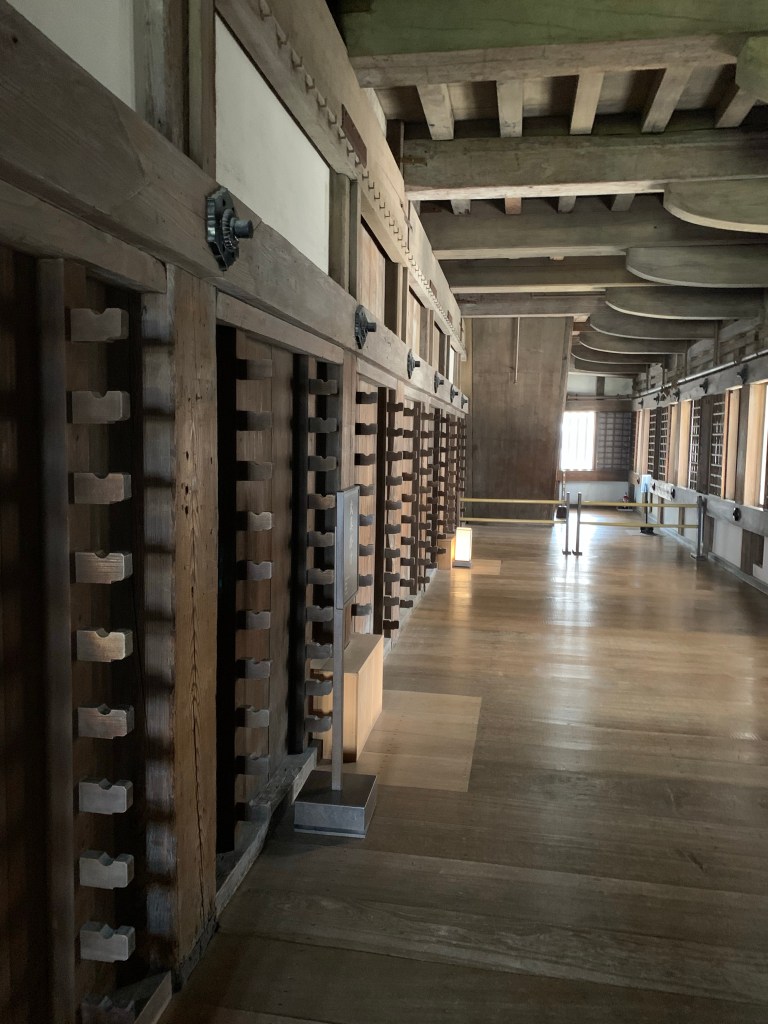
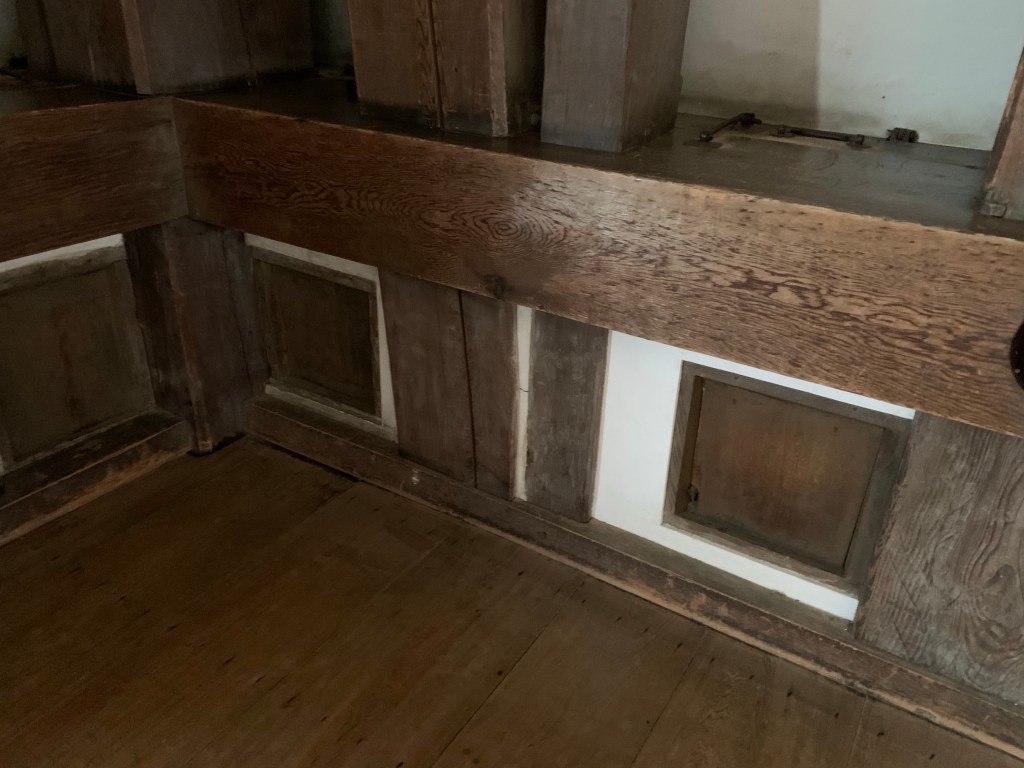
Weapon storage
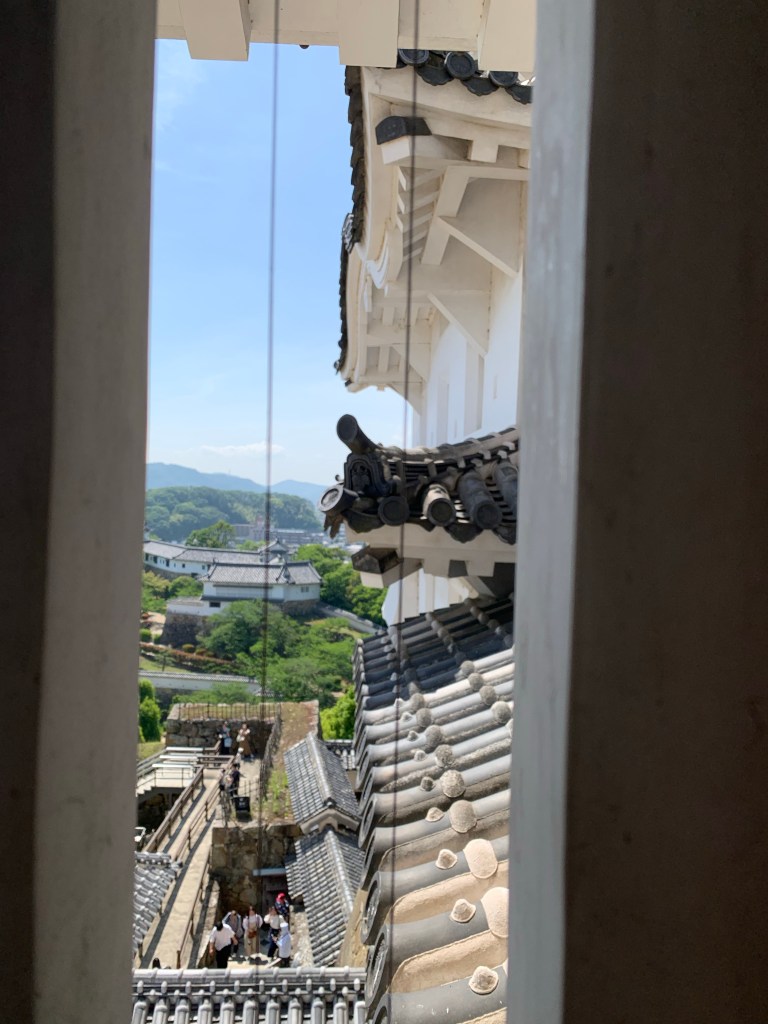
Ports to drop rocks out of.
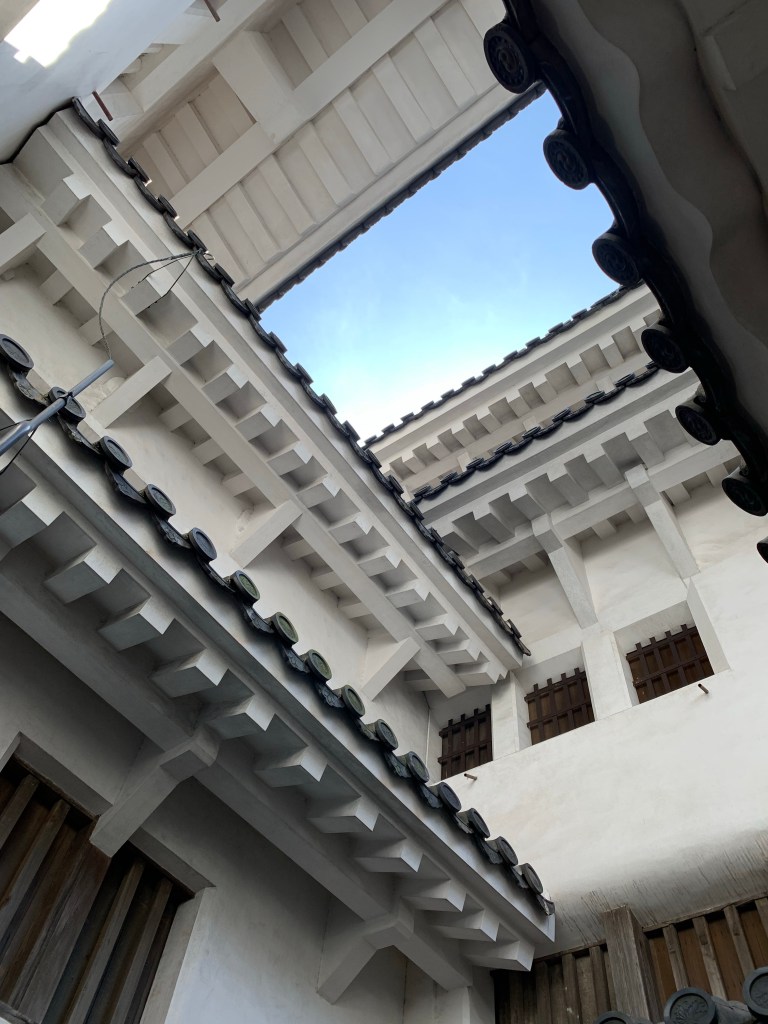
Overlapping inner roofs
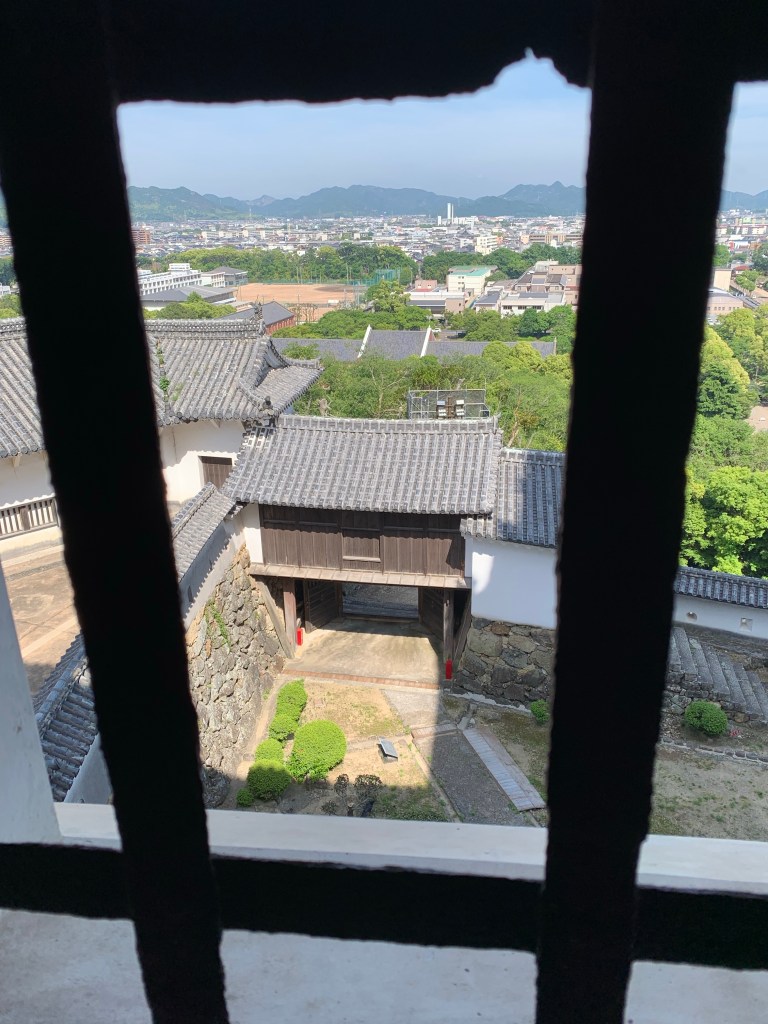
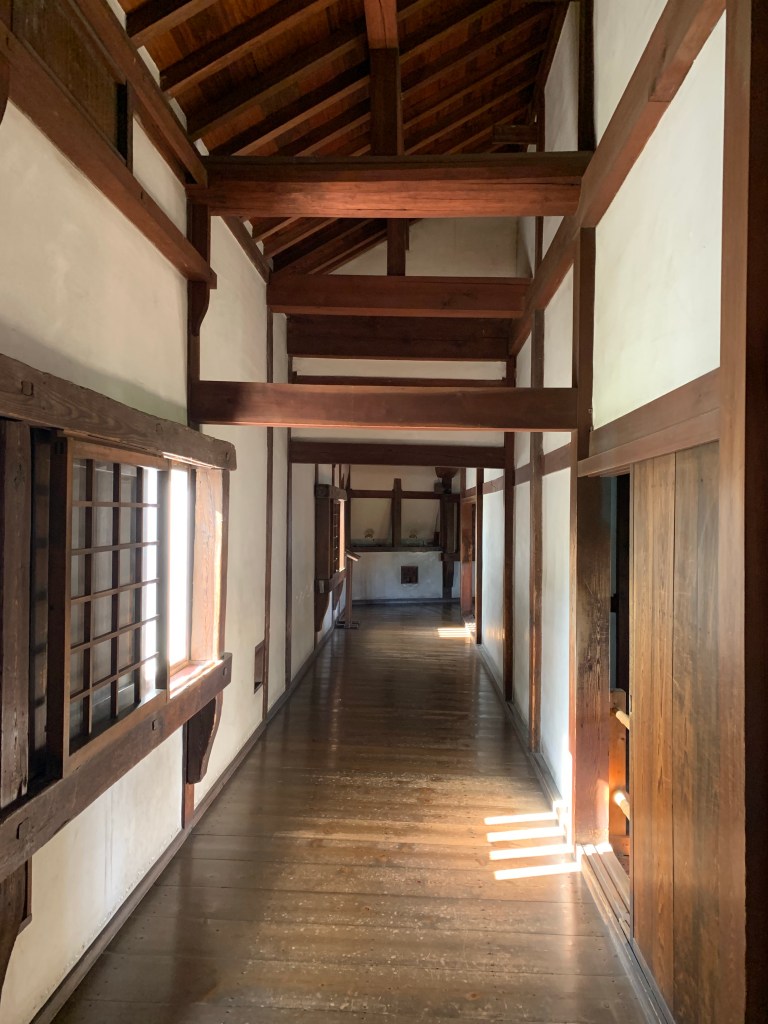
Narrow, barred windows look down on the baileys and walkways.
There is yet more of the castle to the west! Nishinomaru or the “Princess castle”.
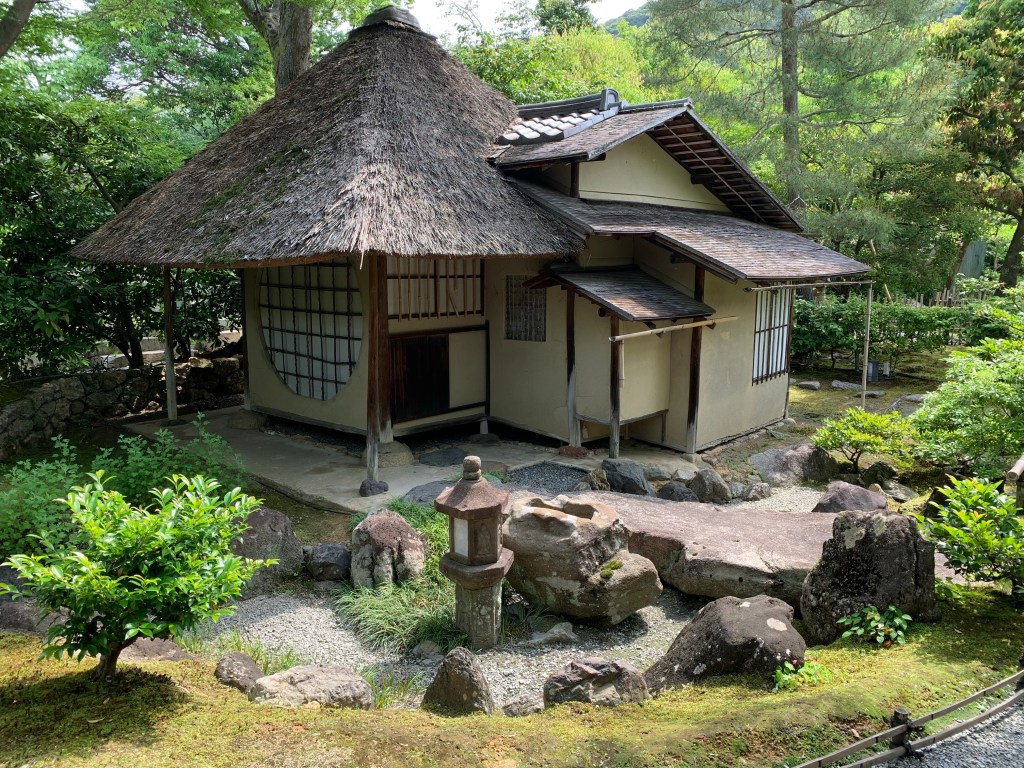
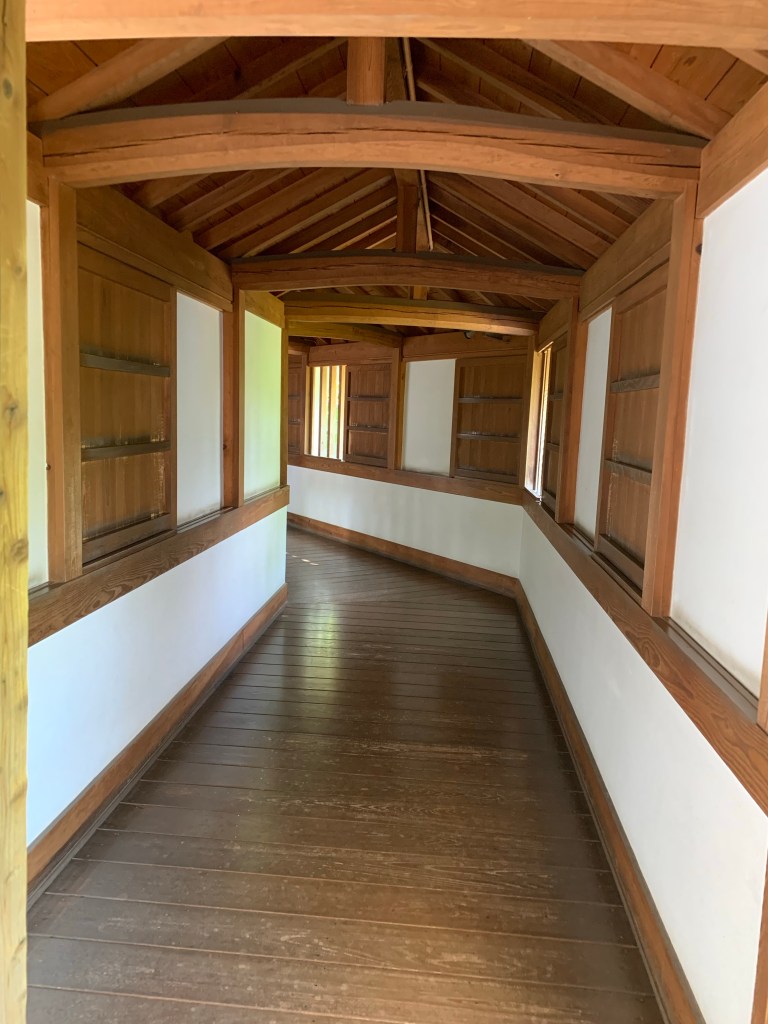
In the winding hallways of the “Princess castle” where one of Tokugawa Ieyasu’s grandaughters lived.
View back toward the main keep.
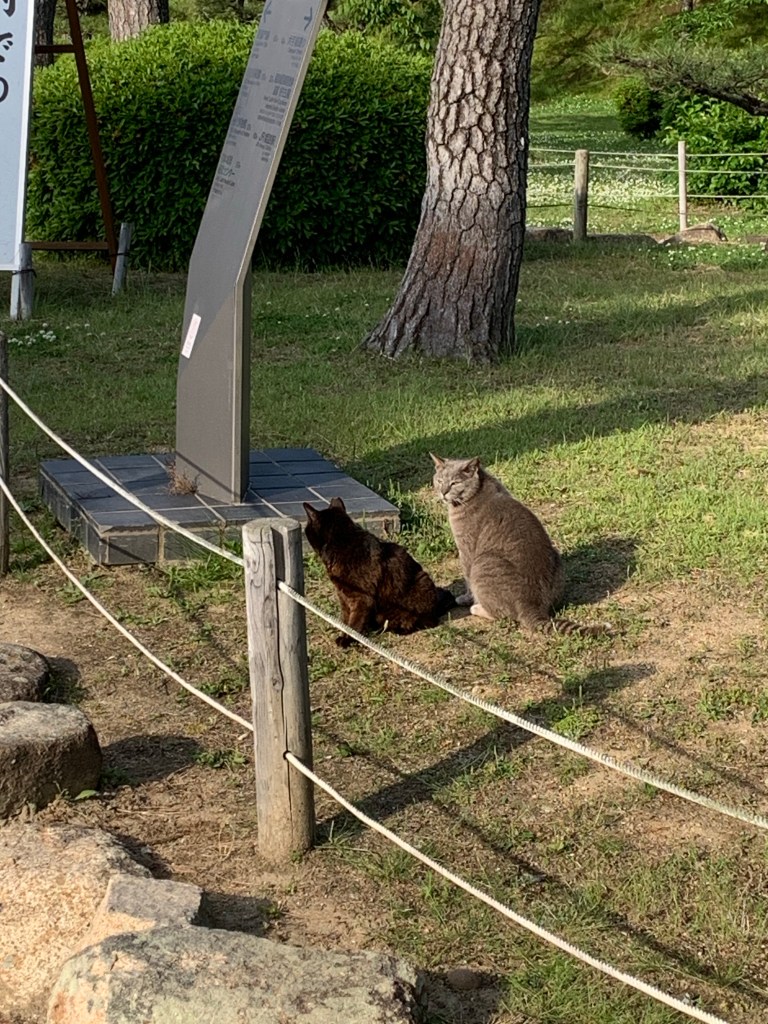
The official Castle Cats (maybe, who knows?)

Moto spotting

Catching up on some interesting motorbikes spotted around Japan…

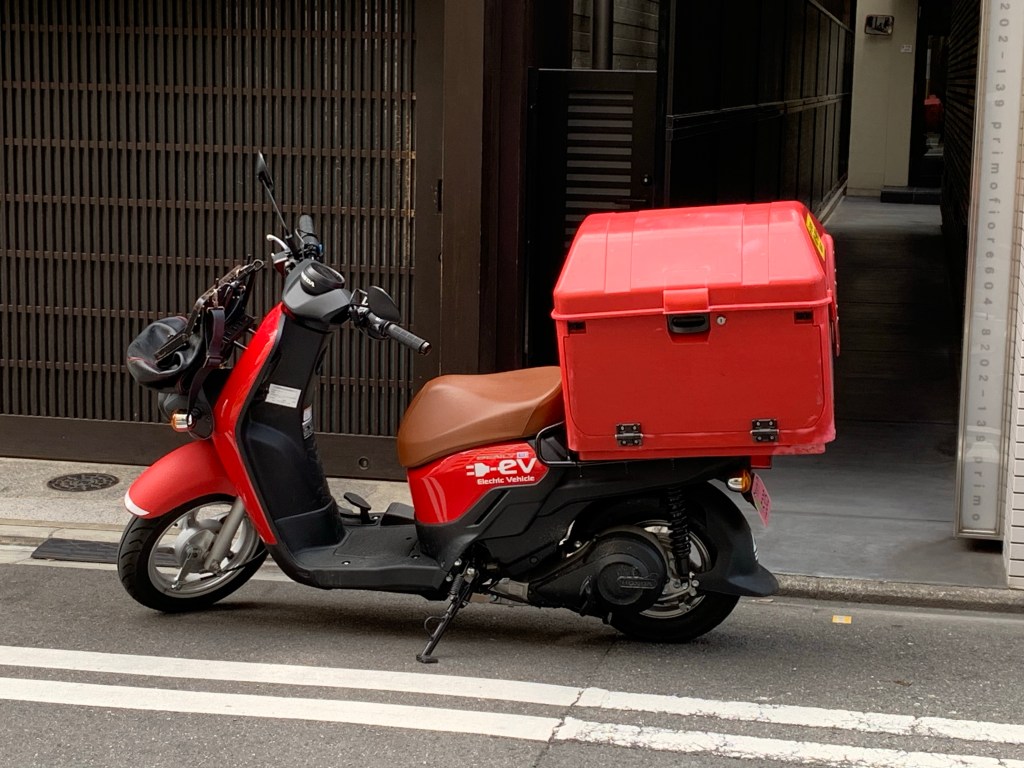
Japan Mail trying out electric scooters
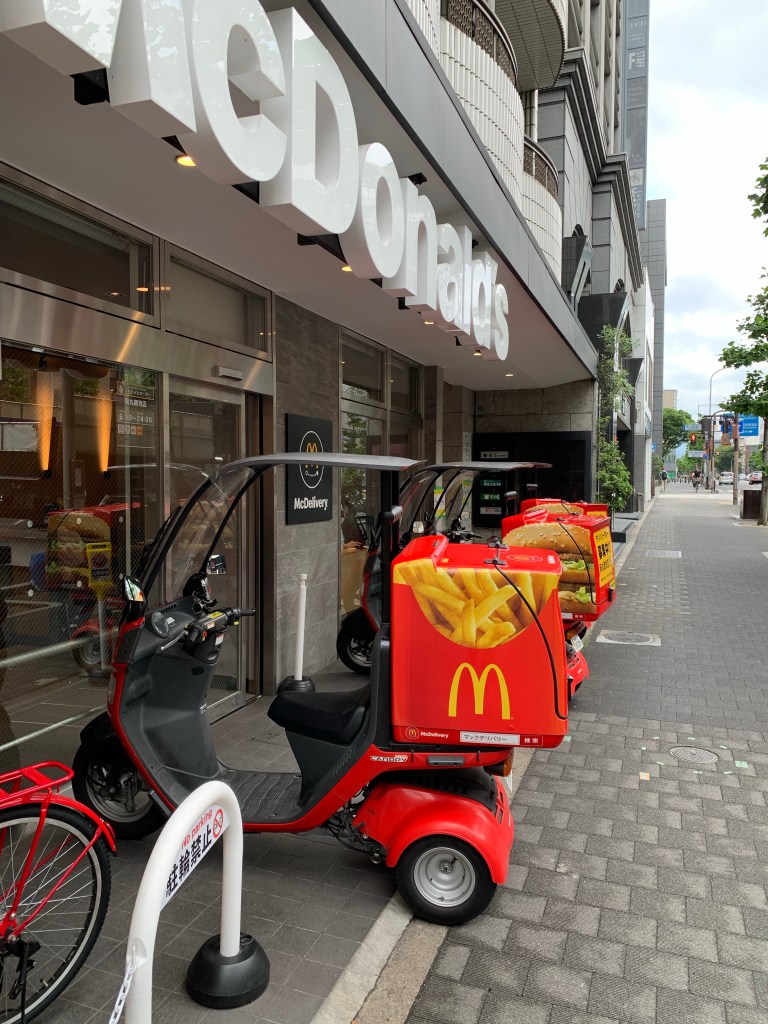
McDonalds doing scooter trike delivery
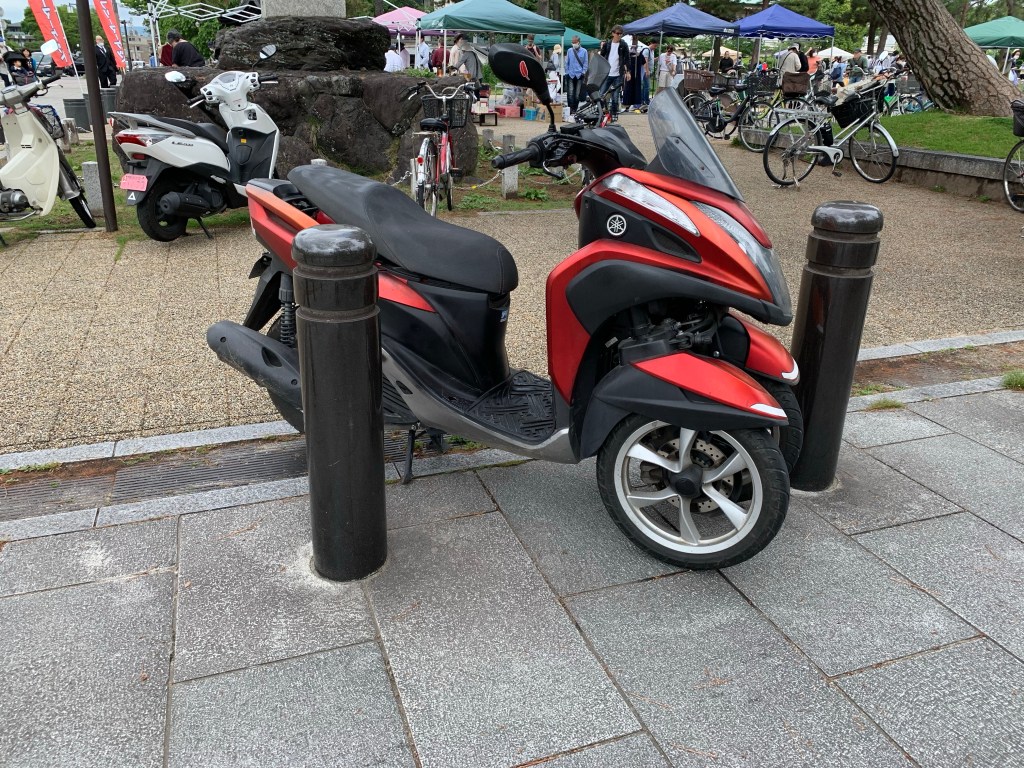
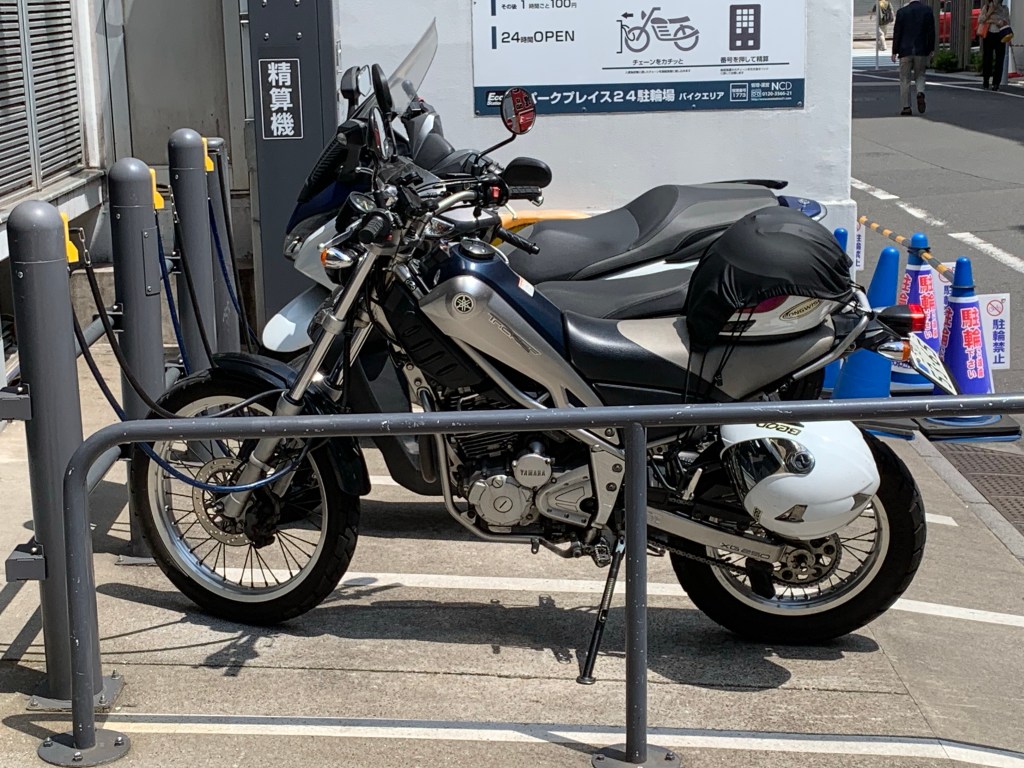
Interesting 3-wheel Yamaha scooter
Yamaha light-ADV bike back in Tokyo
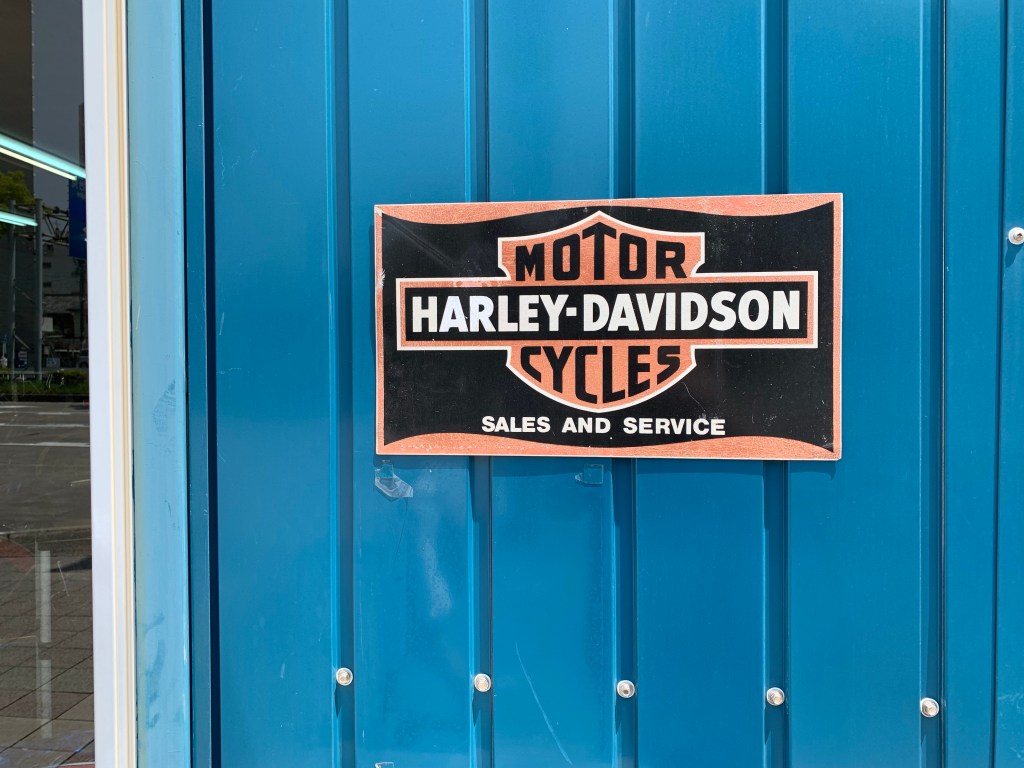
HD sales and service in Nagoya?
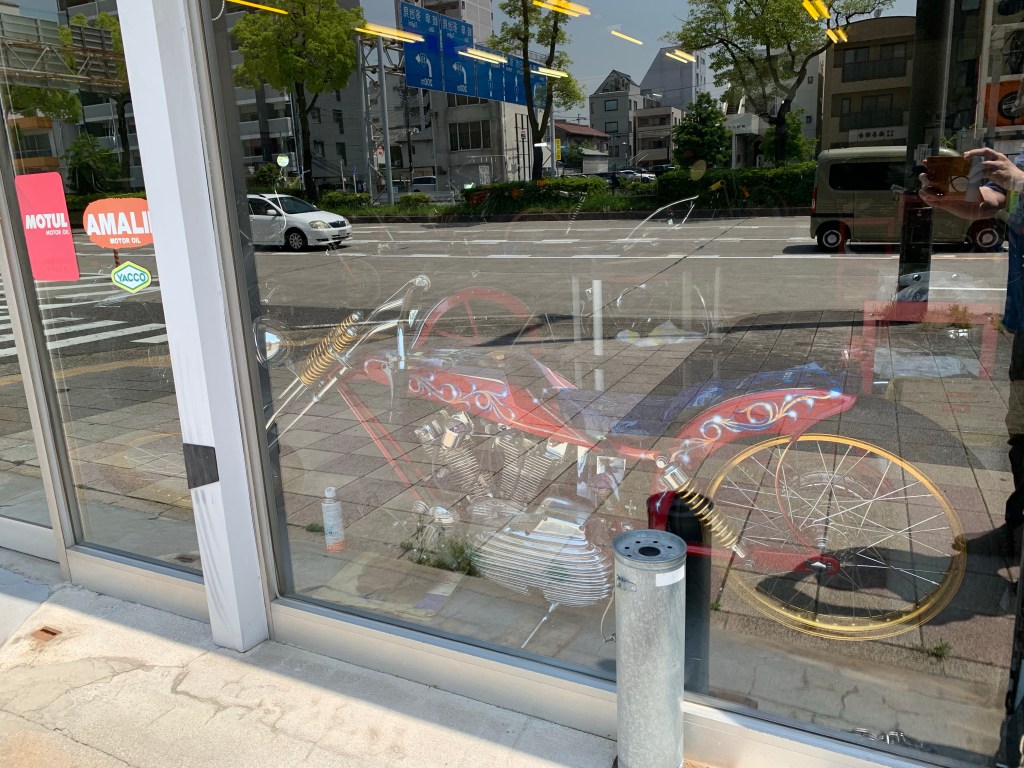
In the window of the same shop
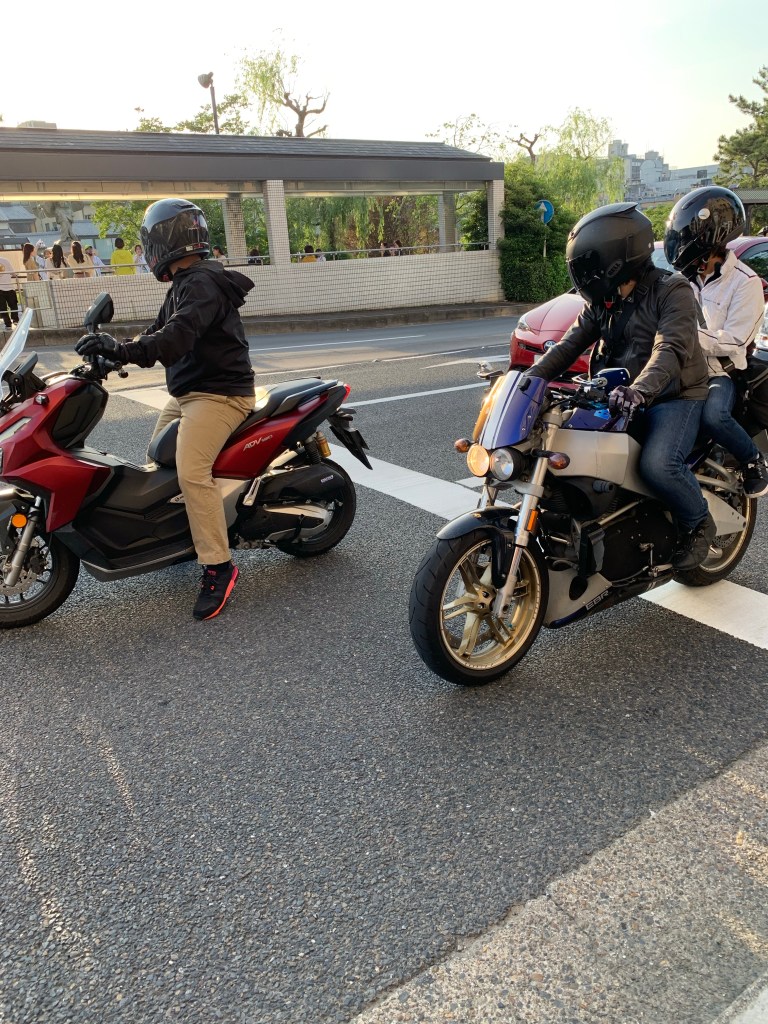
A Buell (!) sighting in Kyoto (and a nifty Honda ADV scoot)
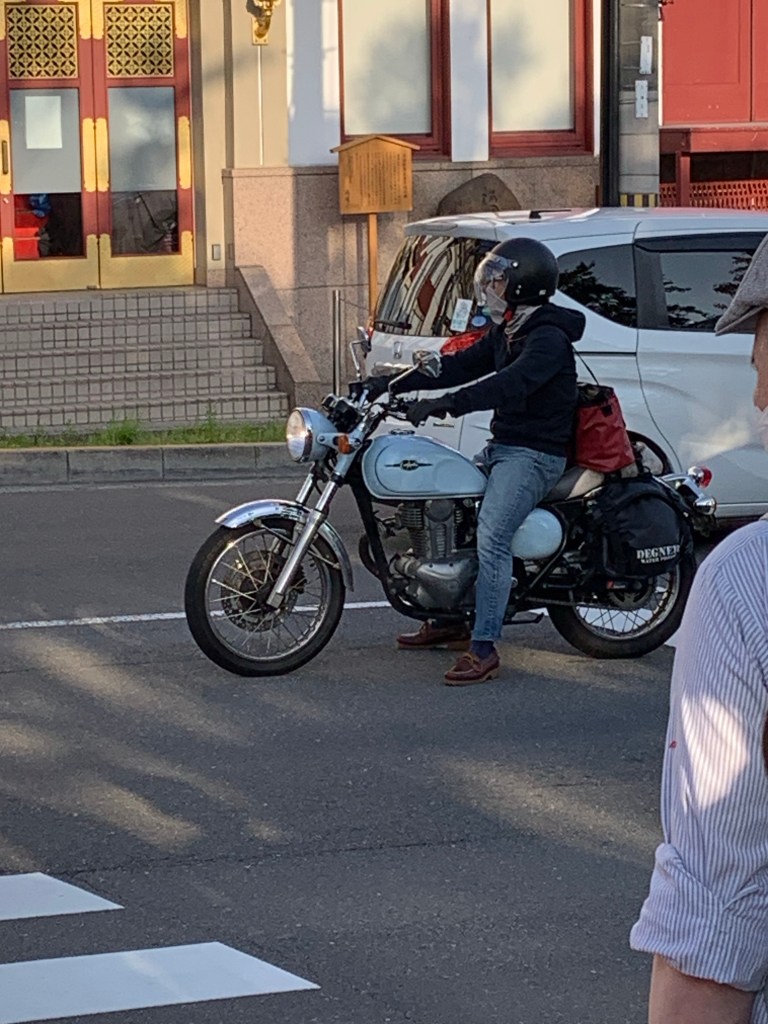
Couldn’t quite identify the make but a neat bike. Royal Enfield-ish.
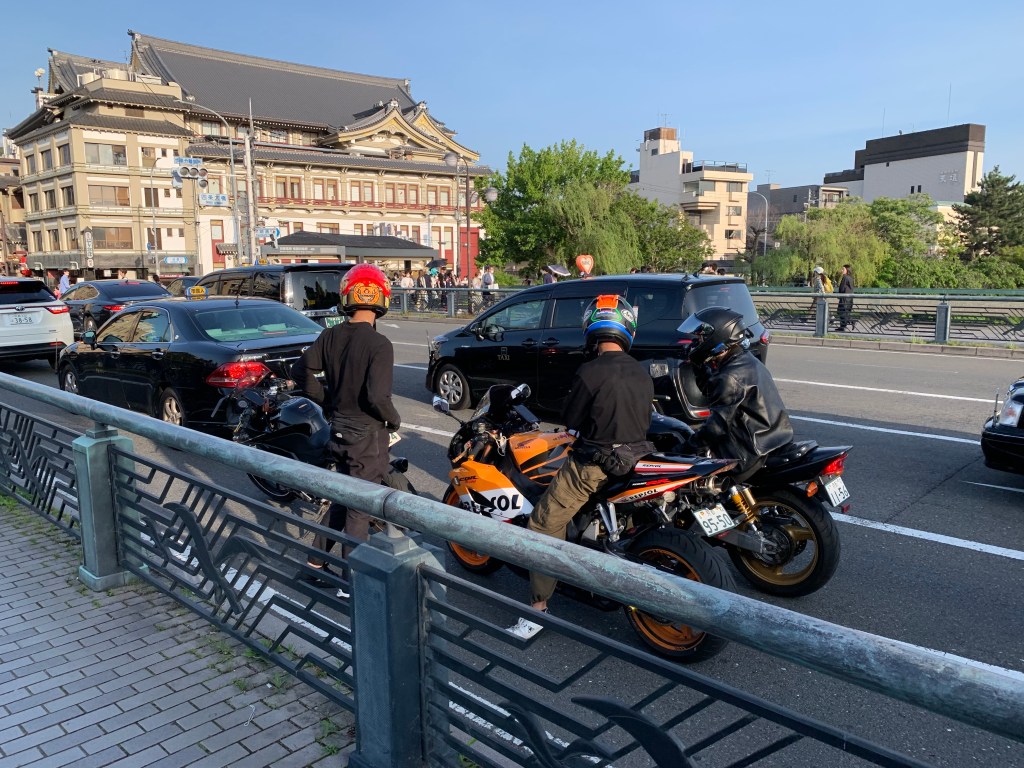
Repsol represented.
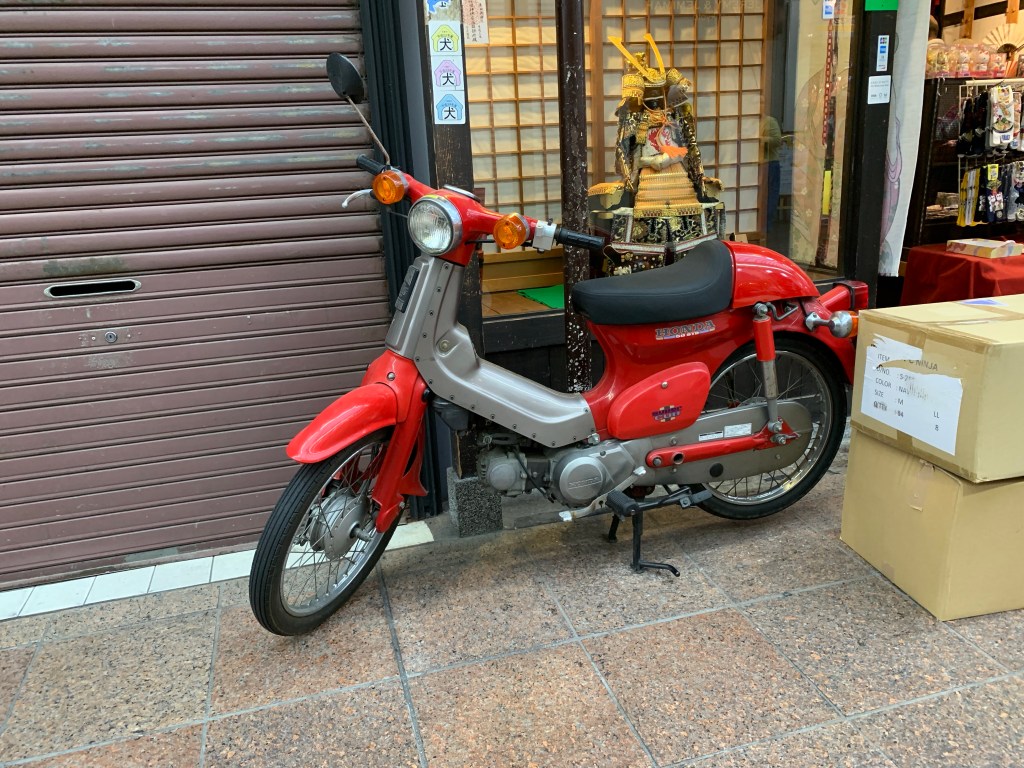
Classic Honda Cub
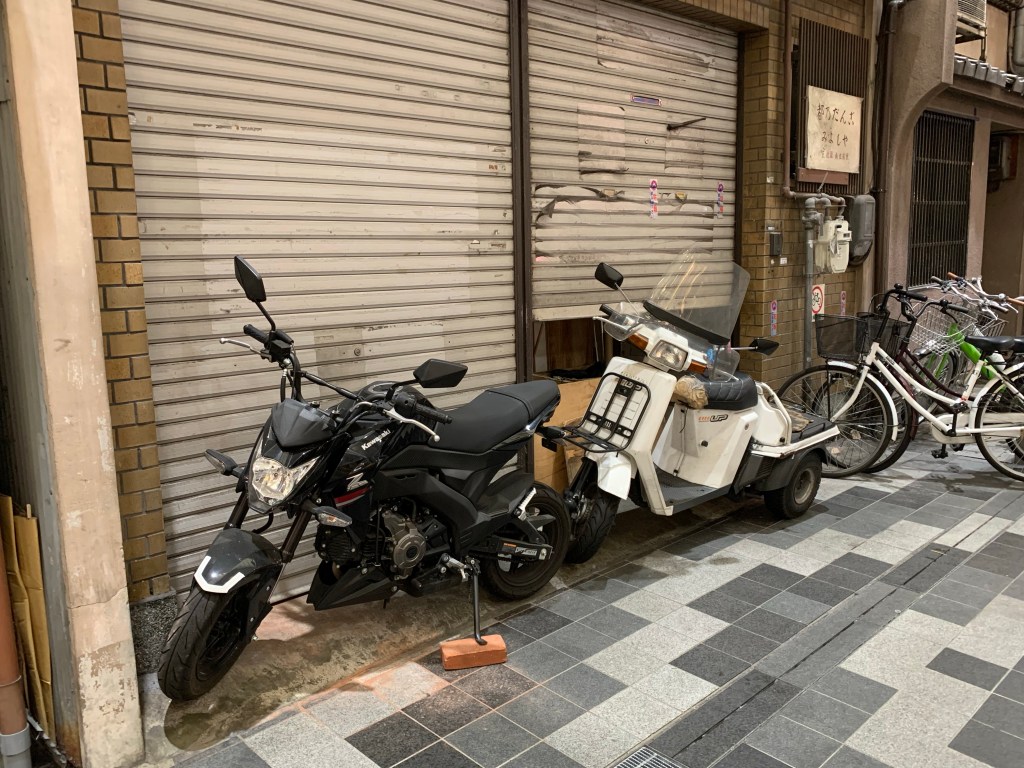
Groms are showing up, here alongside a vintage delivery scoot.

City of Temples and Shrines

As I mentioned, there are temples and shrines all around Kyoto. Today involved visiting three of the more well-known ones.

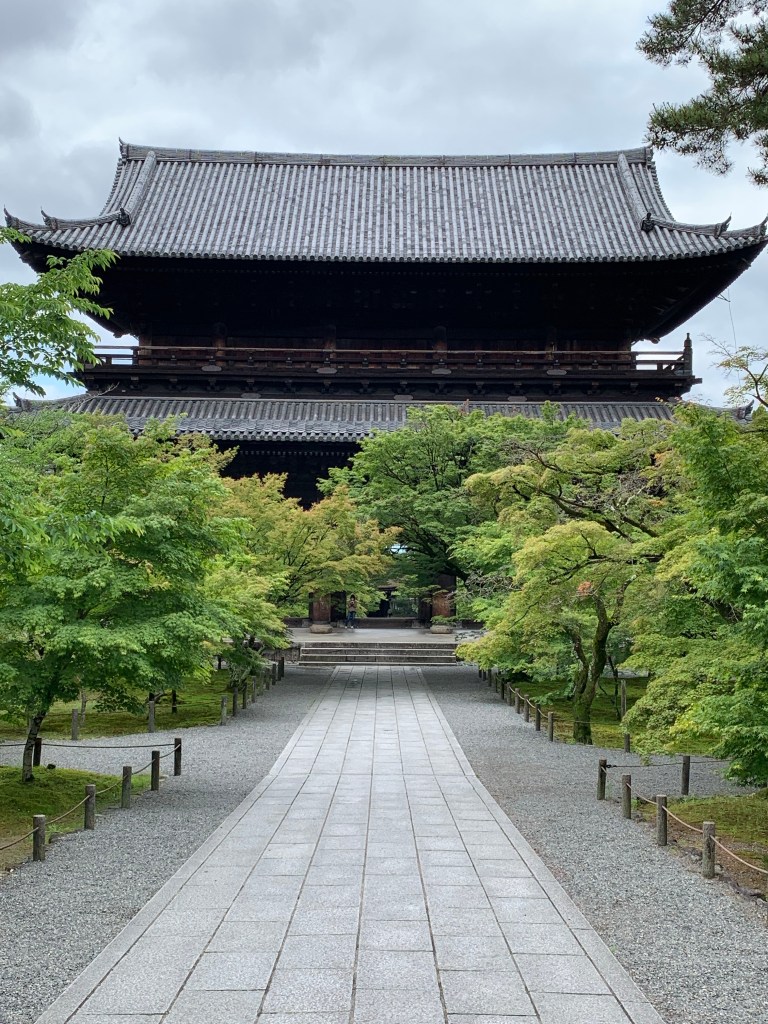
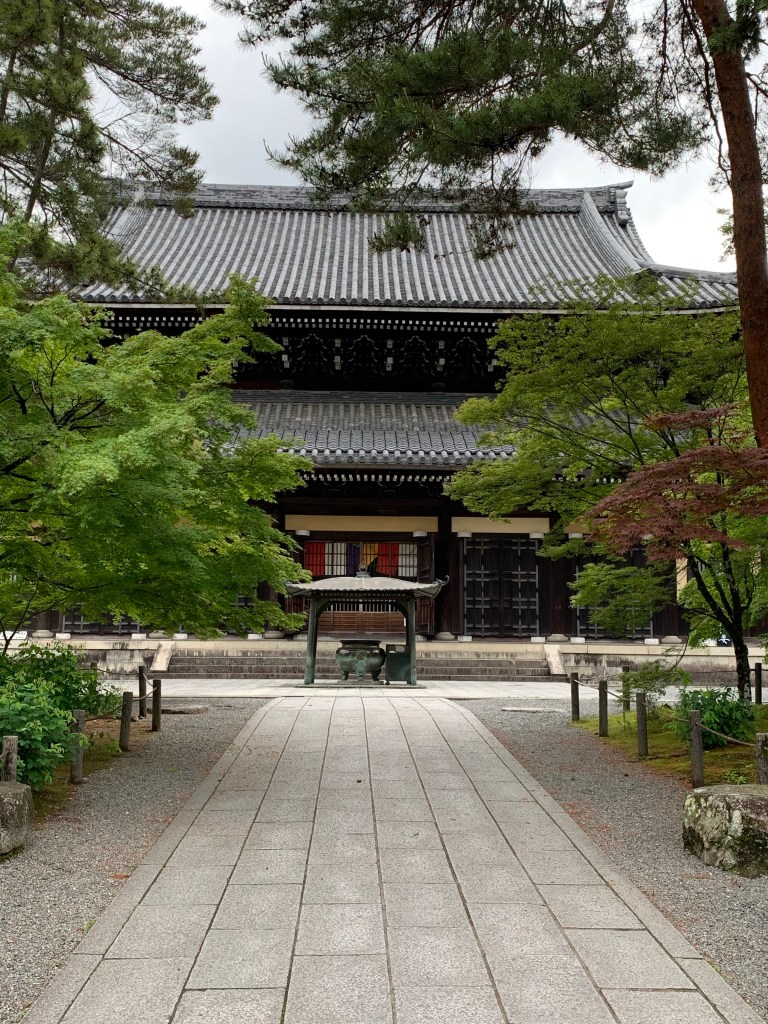
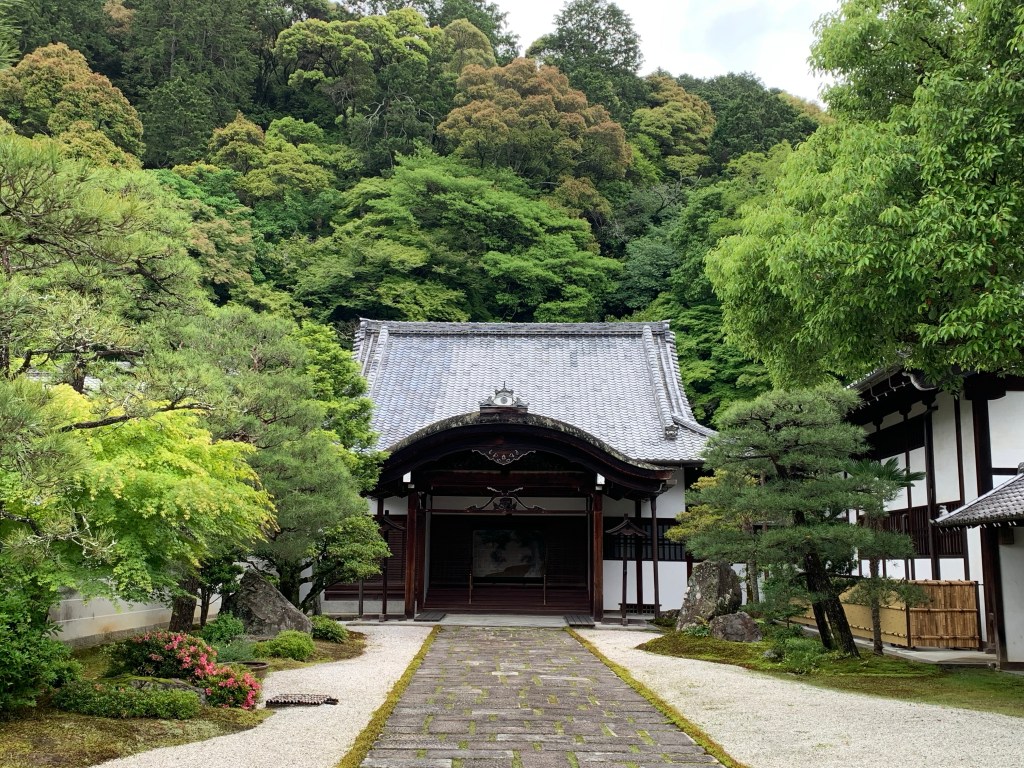
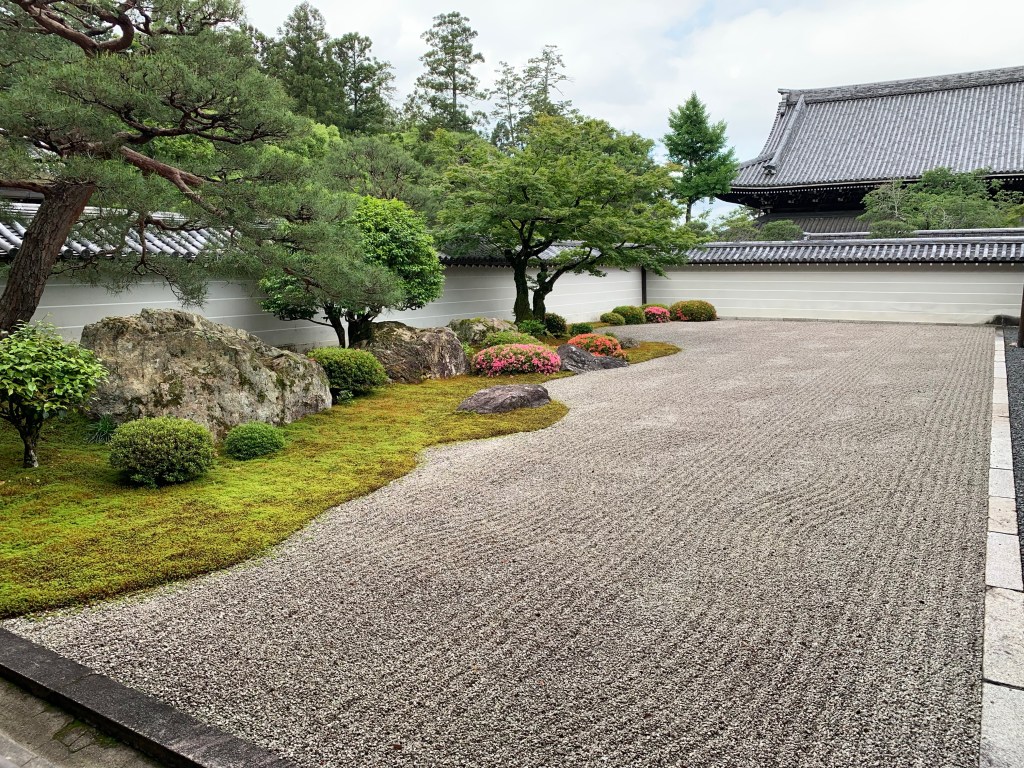
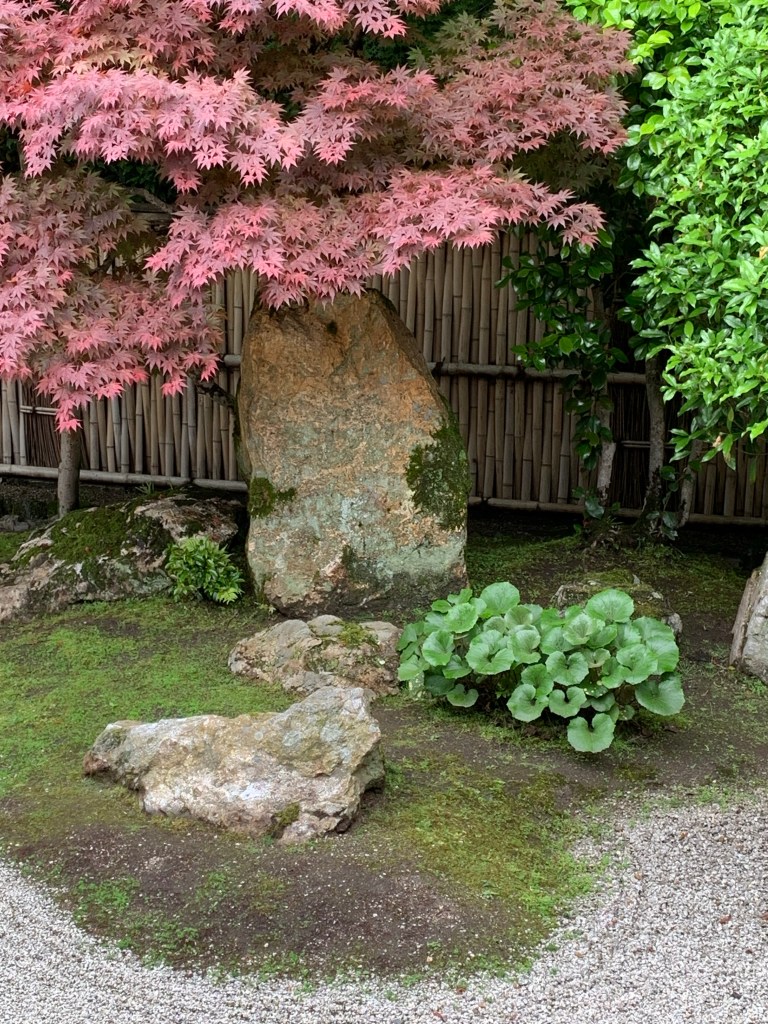
Nanzen-ji is the head of the Rinzai school of Zen Buddhism. It’s located in the Higashiyama or “easteen mountains” side of Kyoto, as are many other temples. It’s known for its immense entry gate, as well as the gardens inside the temple.

Sanmon entrance gate
Main hall
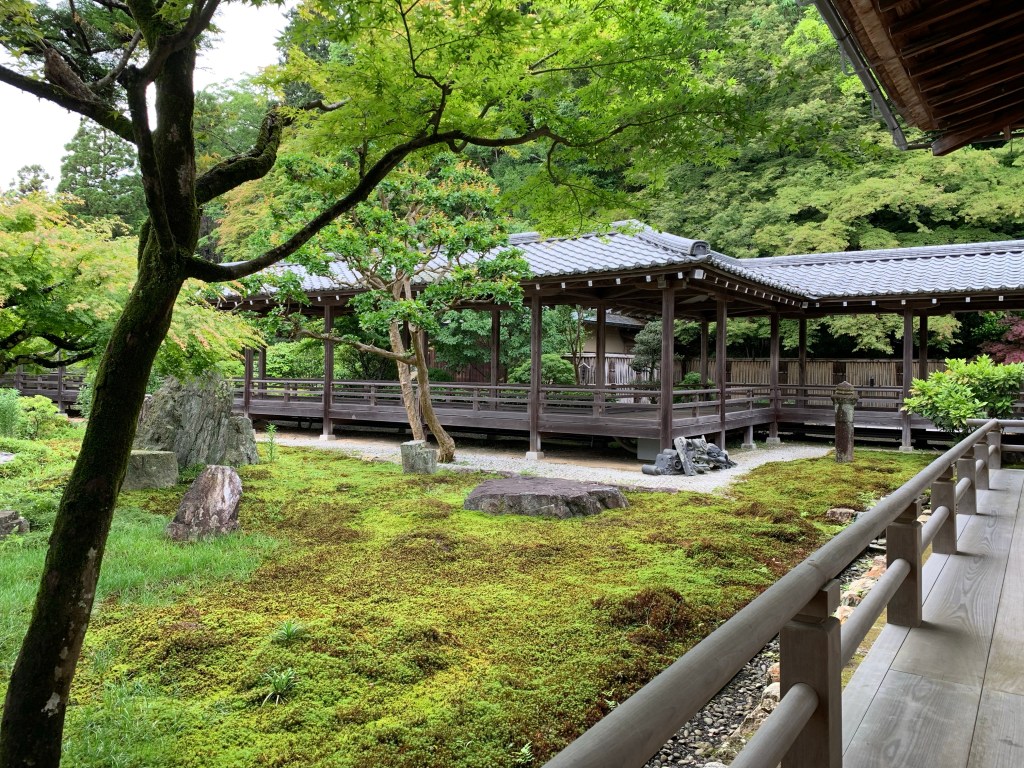
Covered walkways wind through the gardens.
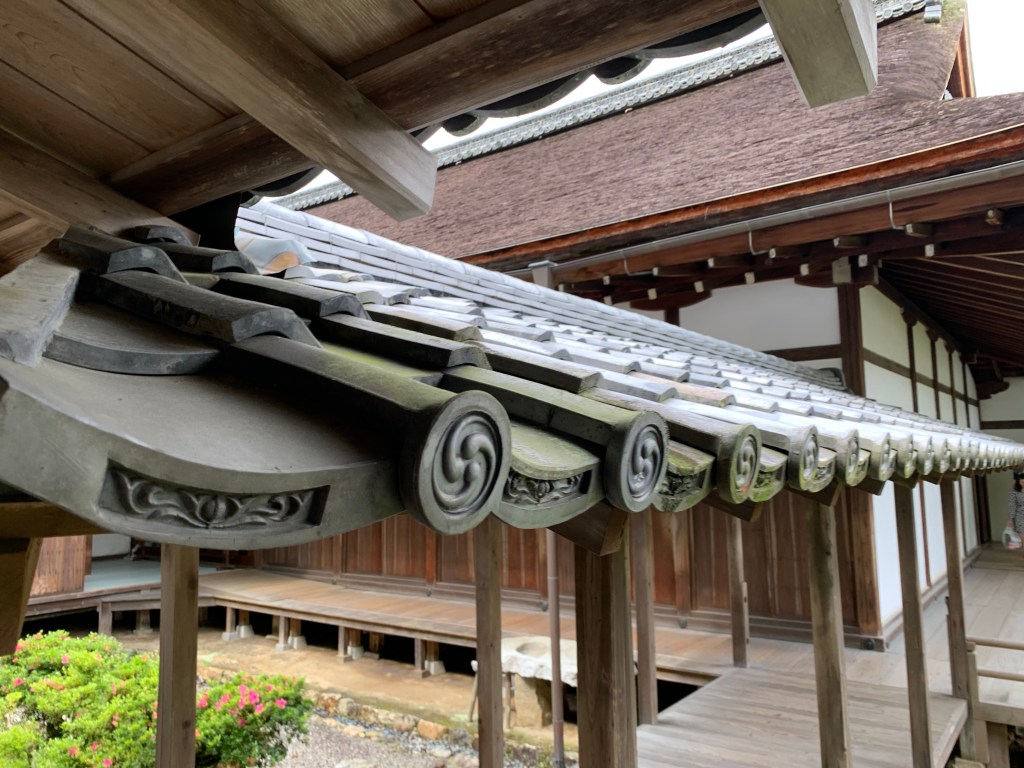
Roof tile detail

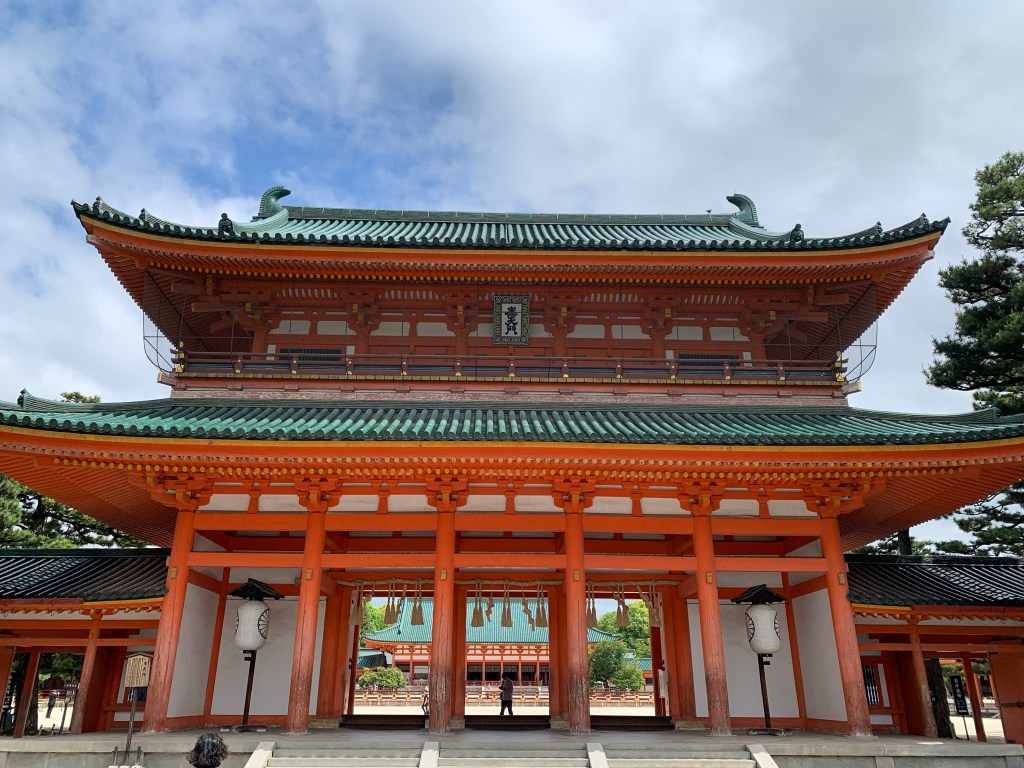
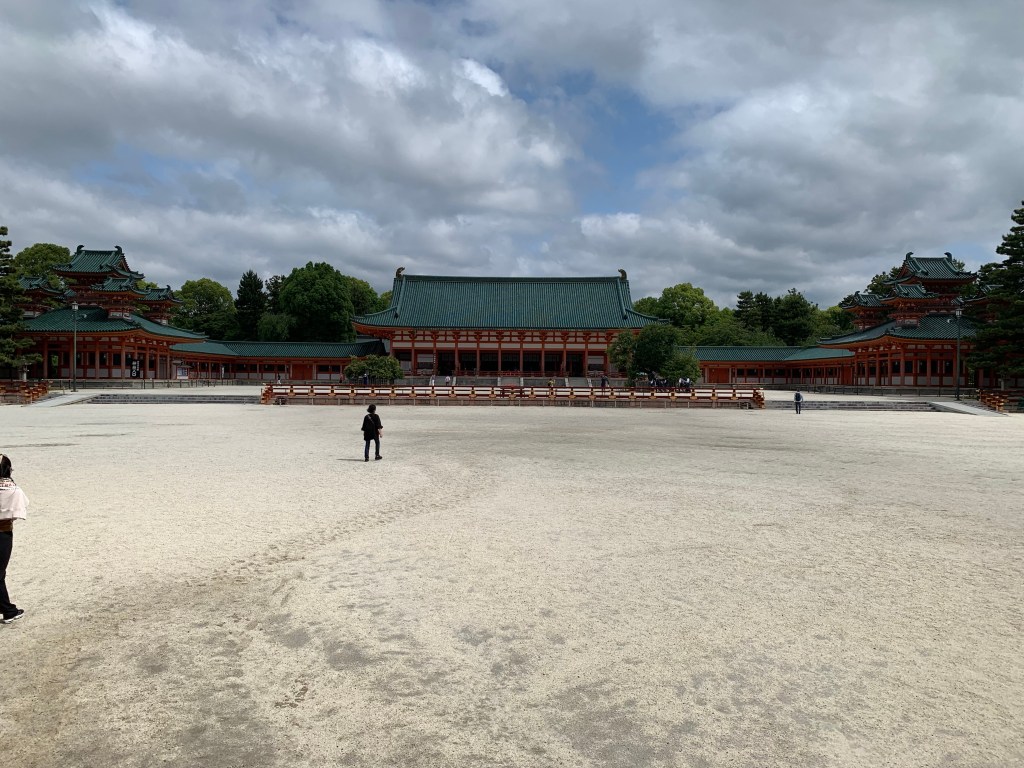
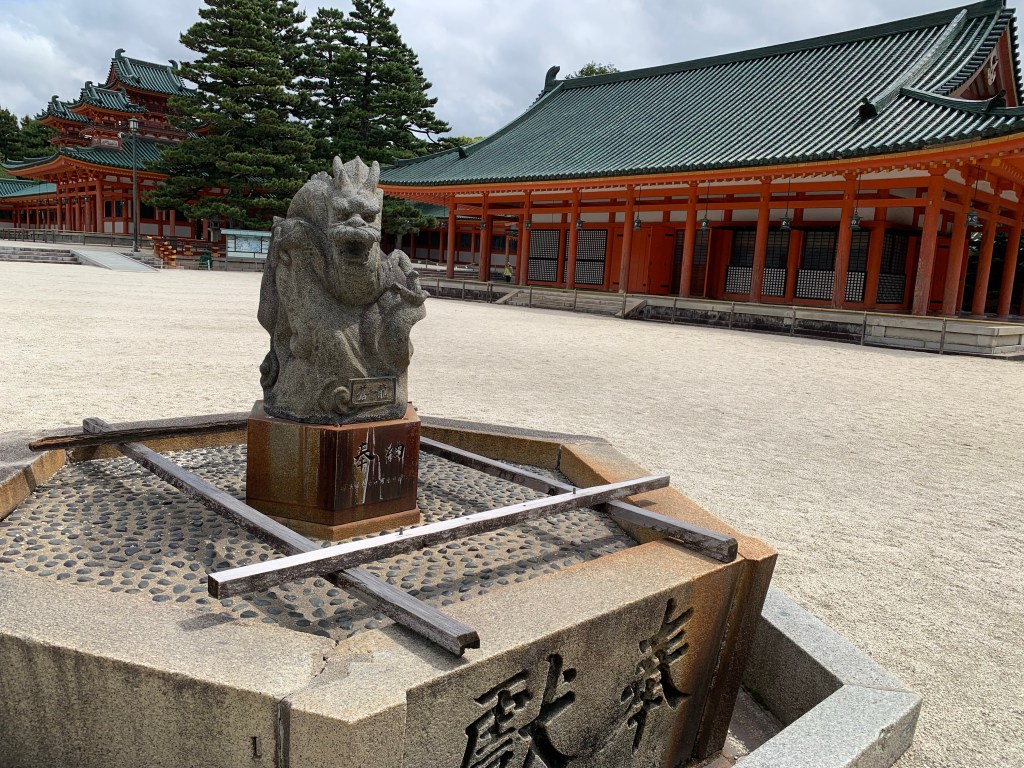
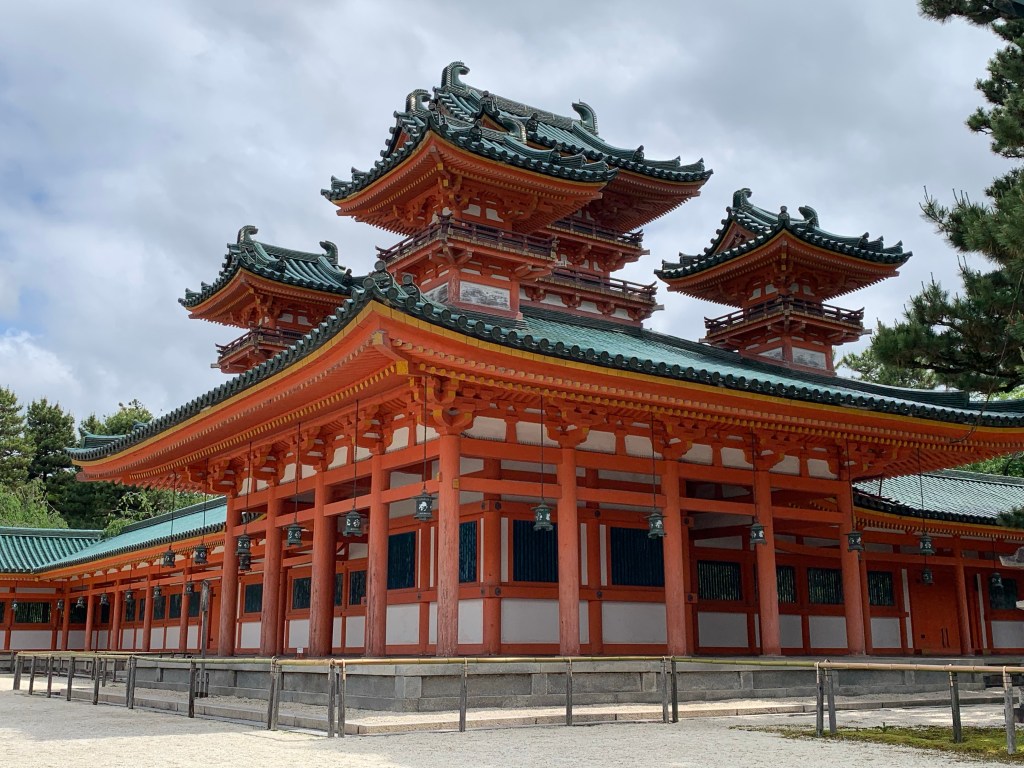
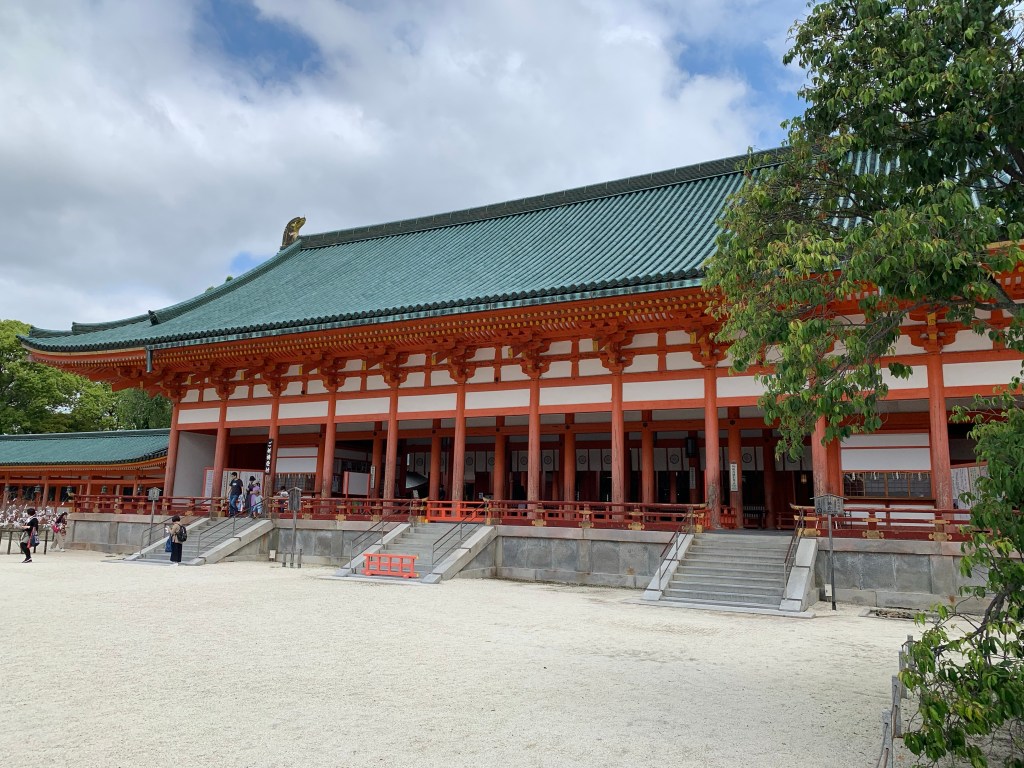
Next I went to the Heian Jingu shrine. This was a present to the city of Kyoto on it’s 1100th birthday. It’s meant to look like the original Heian palace in Kyoto that had burned down long ago. That palace in turn was modeled on the Chinese palace of Chang’an.

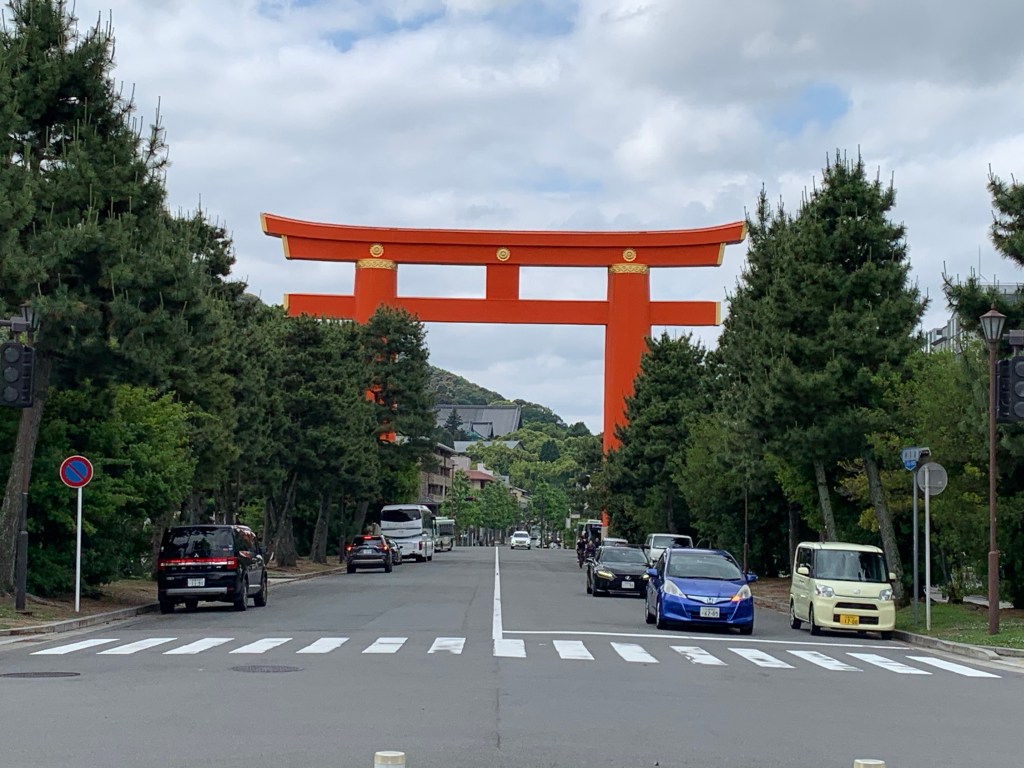
Main torii gate. It’s difficult to capture how immense this is.
Entry gate.
It is a wide, open space ringed with covered walkways connecting the various buildings.
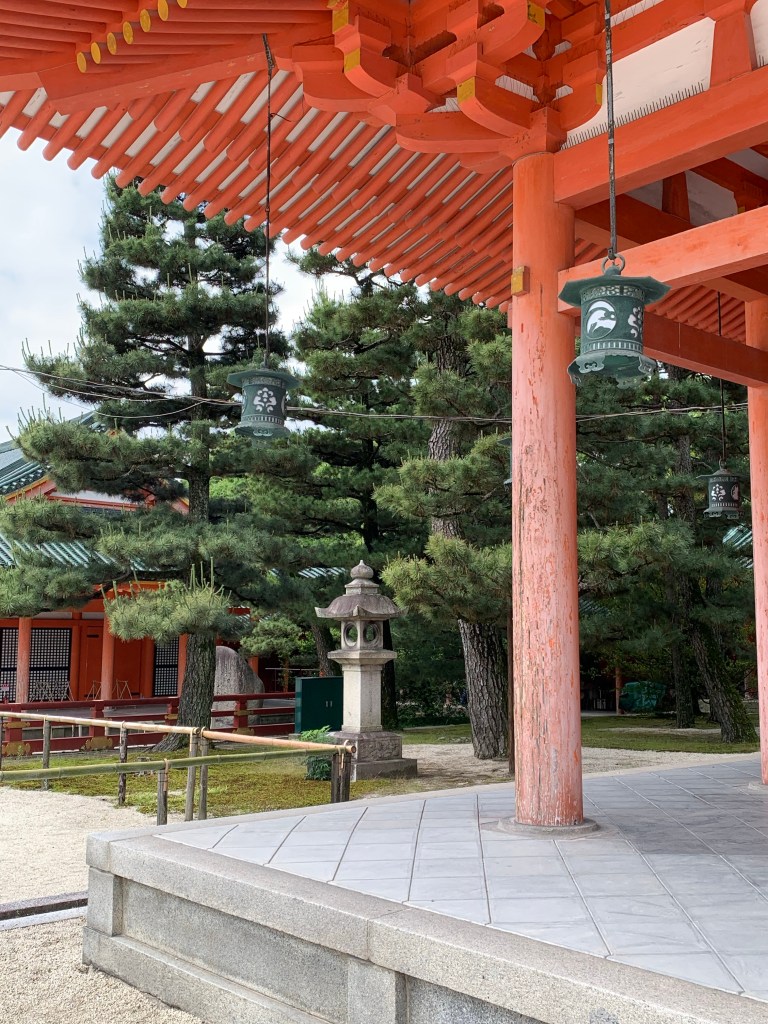
Lanterns both standing and hanging.

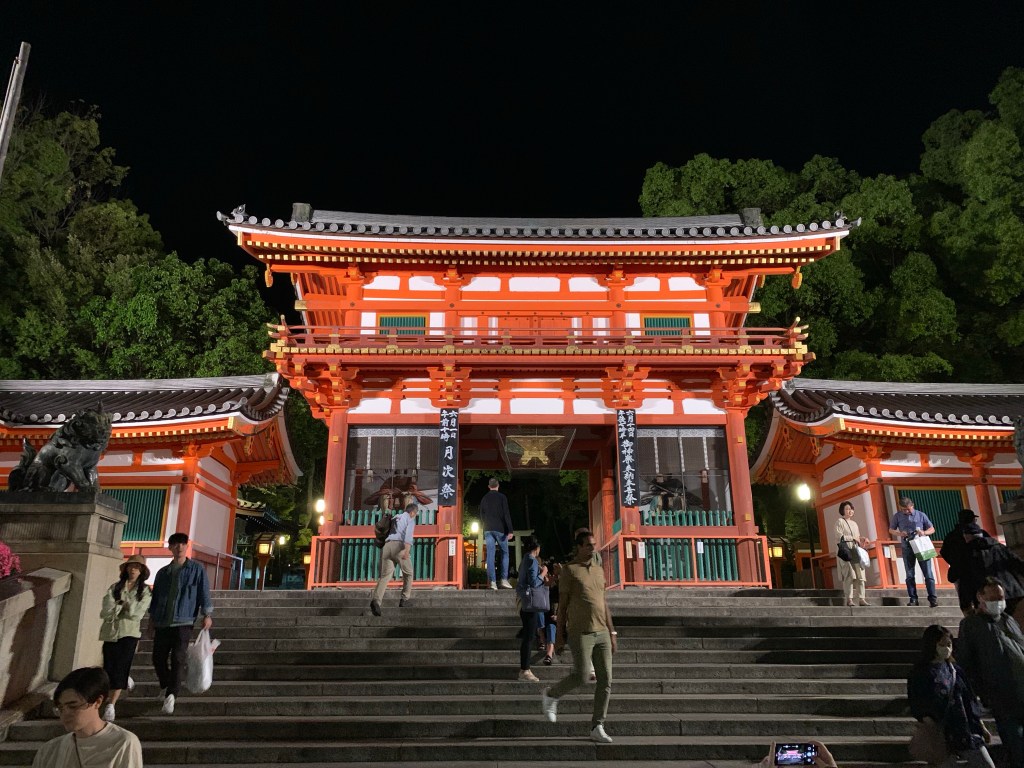
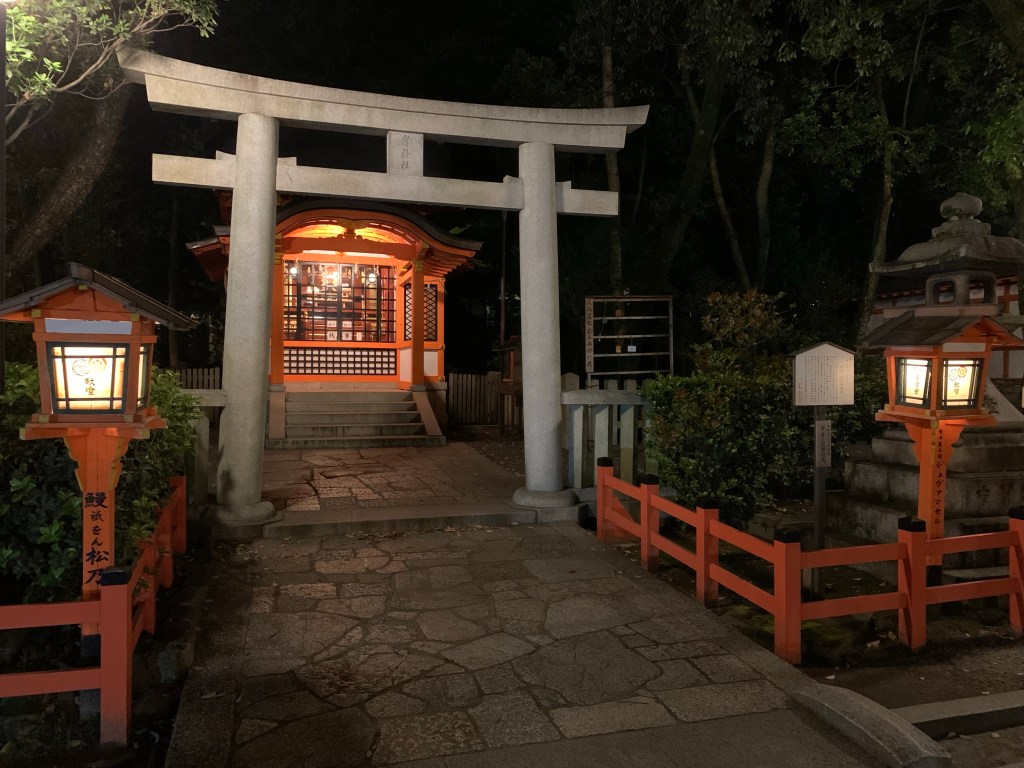
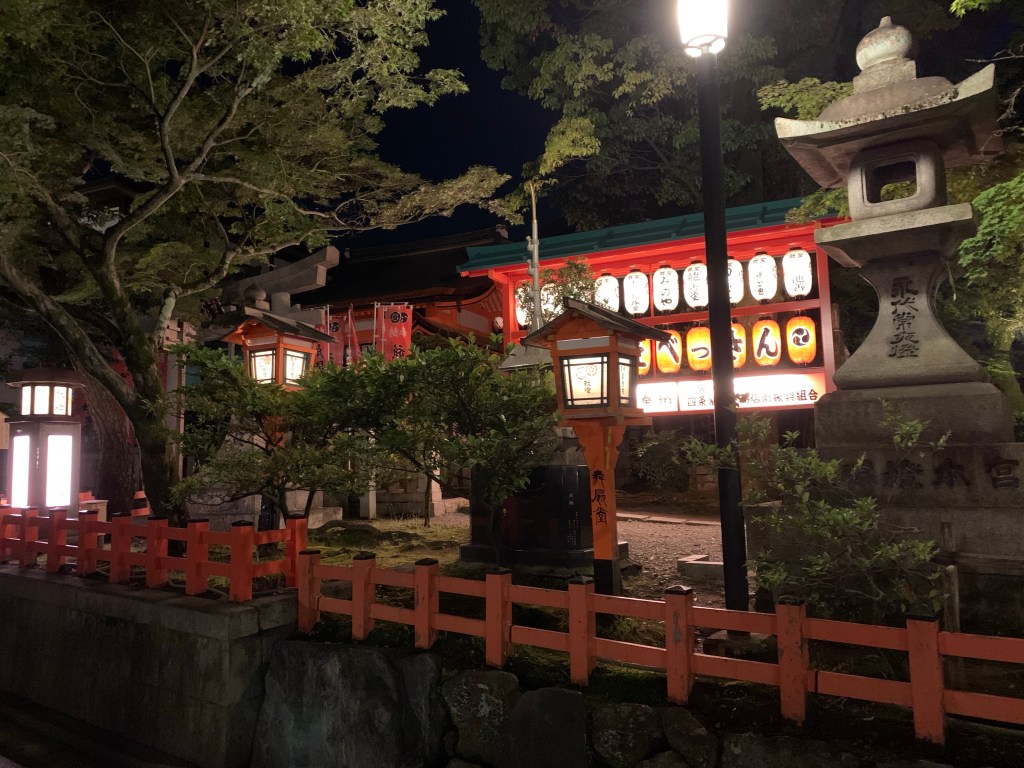
Lastly, after an excellent kaiseki (set-course) meal on a deck overlooking the Kamogawa, we went to Yasaka Shrine in Gion, lit up by lanterns after dark.

Entrance gate. The style is mixed Buddhist/Shinto, as is Heian Jingu, so no torii at this entrance.

On to Kyoto

Another travel day, this time from Nagoya to Kyoto via shinkansen. There are 3 levels of shinkansen on the Tokaido line – expess (Nozomi), semi-express (Hikari), and Kodama (makes all stops). JR pass only gets you on the slower two, and setting aside the fact that we’re taking a high-soeed train, we weren’t in a hurry so we took the Kodama.

One last look at our hotel (the checkerboard building) in the rain from Nagoya station.
It might be the “local” but it’s proper fast.
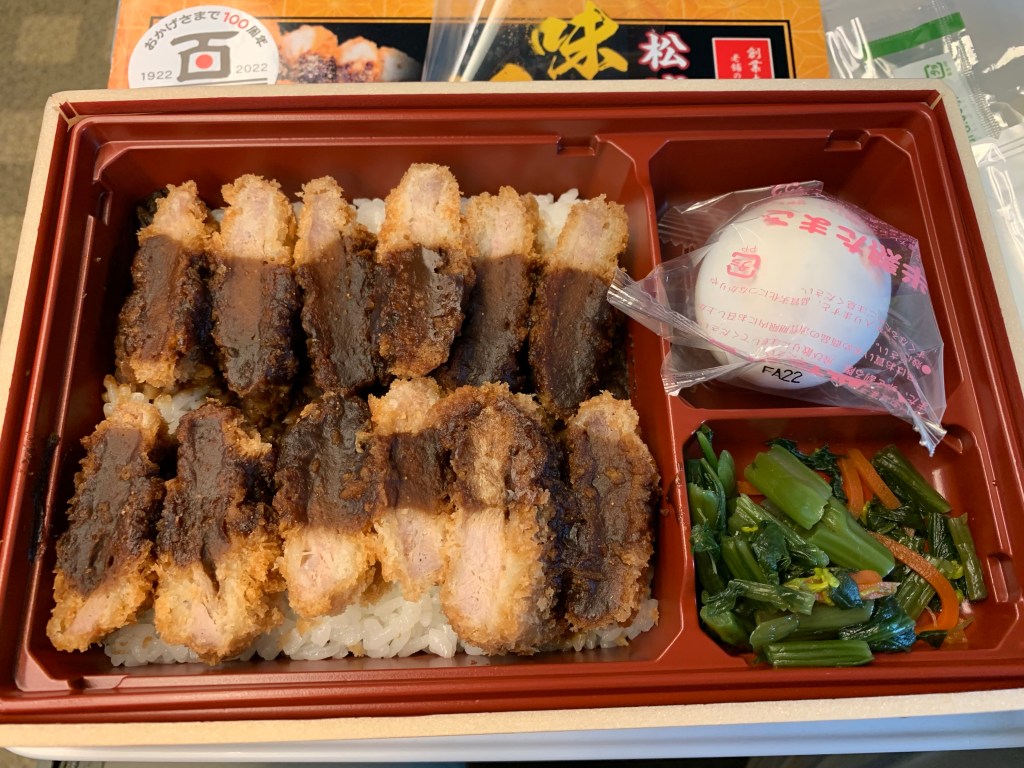
Ekiben (train station bento) choices.
Tonkatsu (pork cutlet) and an “onsen egg” (very soft boiled).
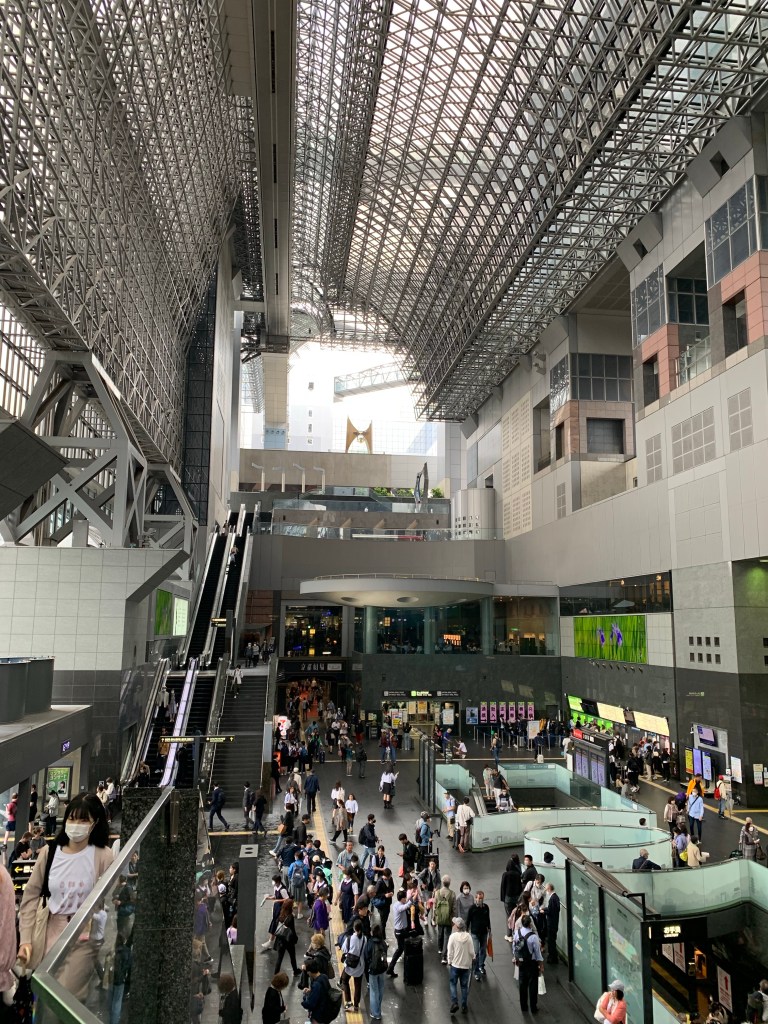
Kyoto station.
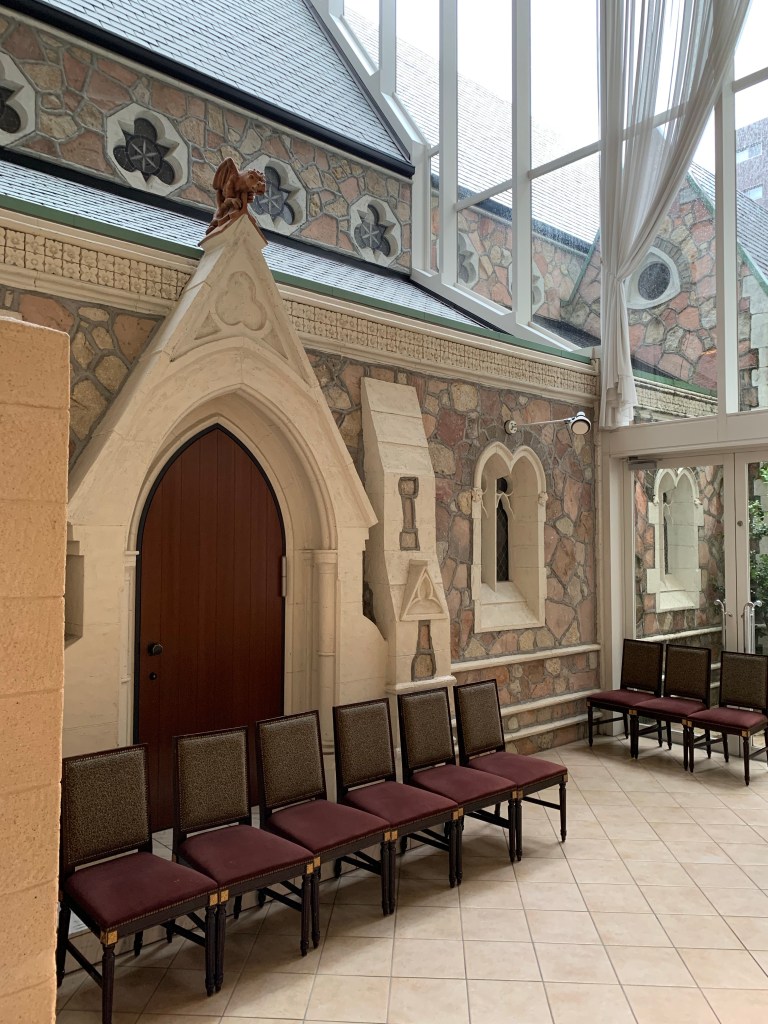
Our hotel has a wedding chapel as a central feature.
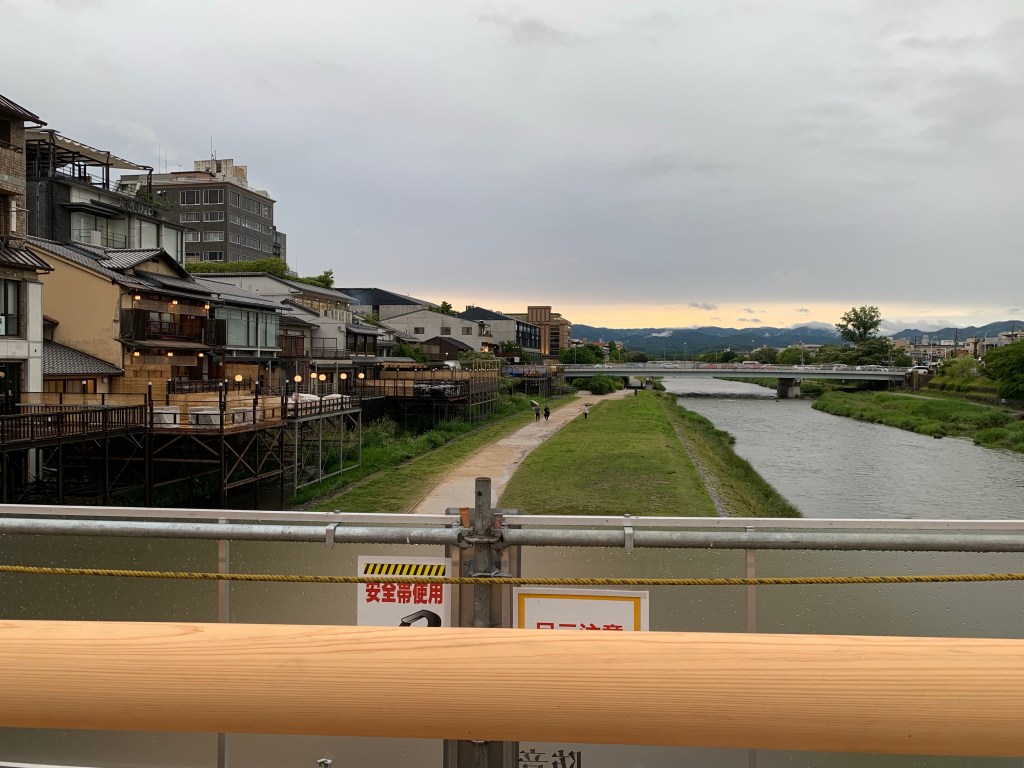
Kamogawa river and restaurants of the Pontocho neighborhood. Bridge railing is being rebuilt and smells like cedar.
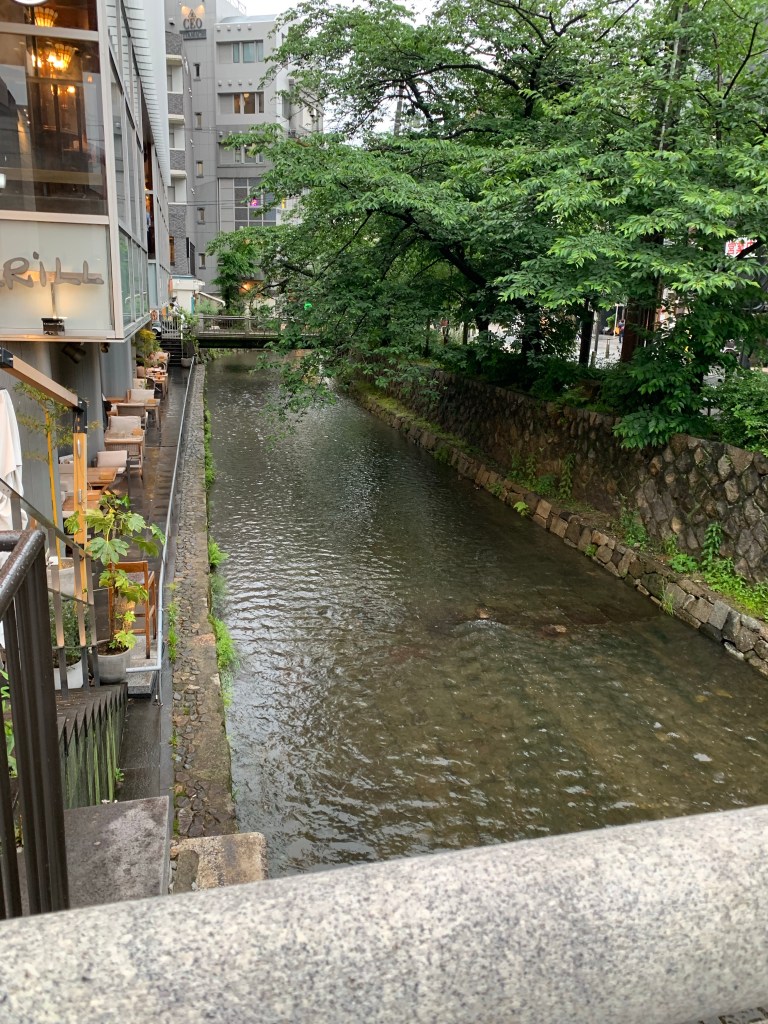
Random Kyoto scenic-ness.
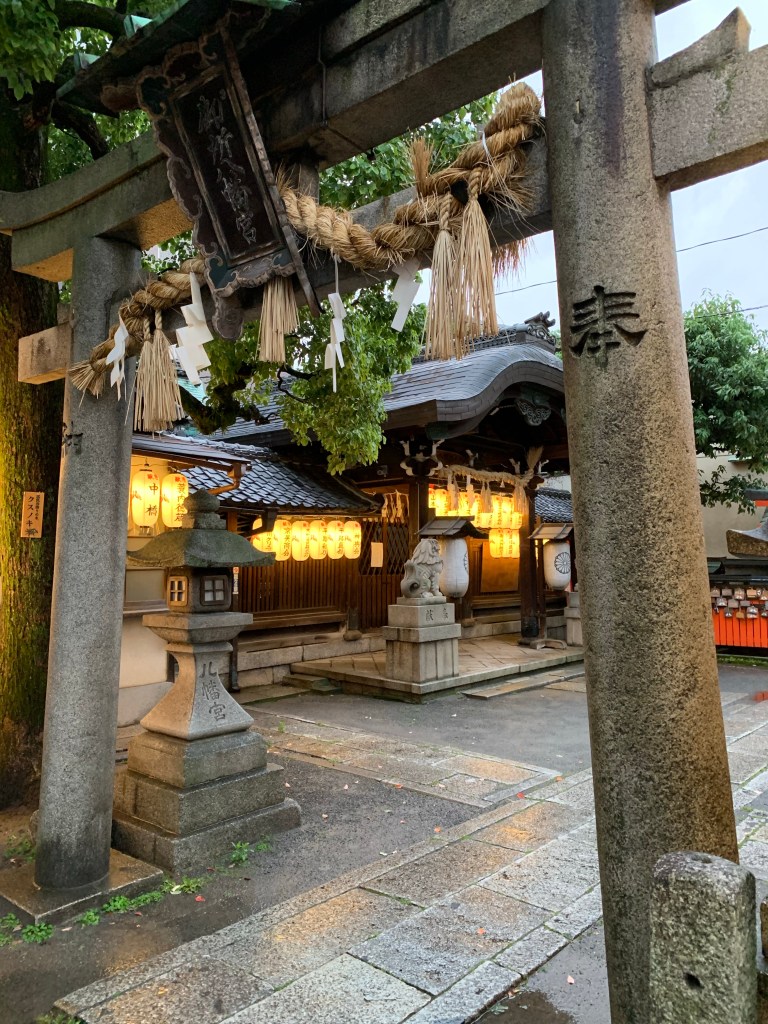
Temples (and shrines) are everywhere. A consequence of this being the home of the Emporer for about a thousand years.
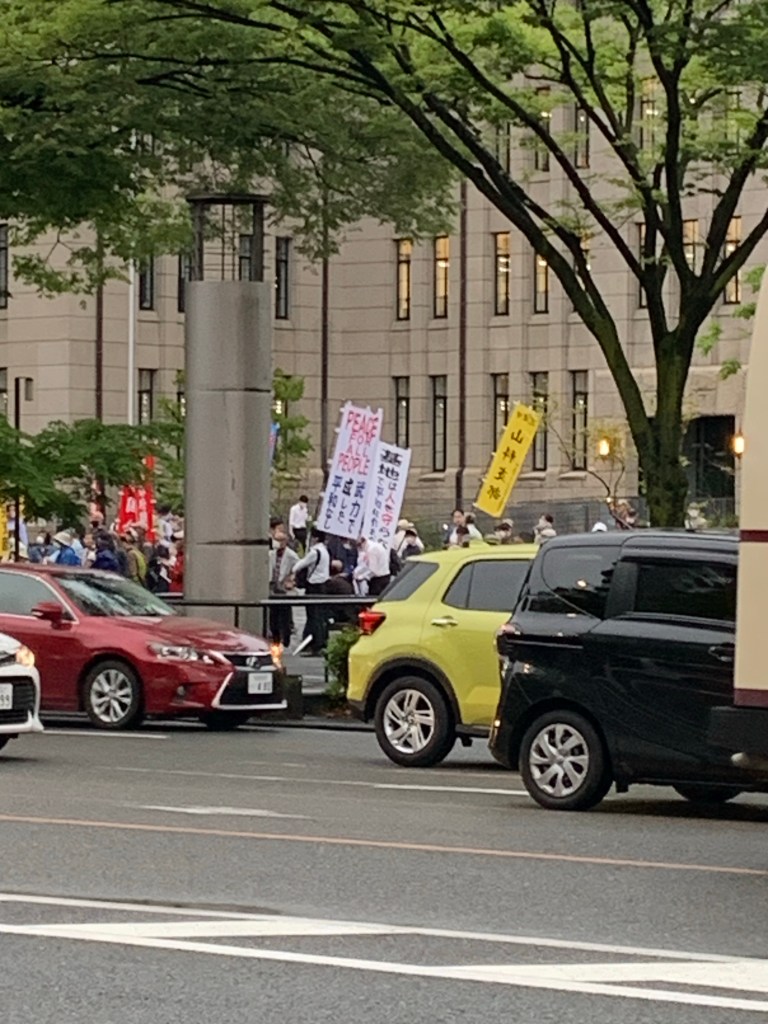
Protest activity at city hall, probably in response to the G7 meeting in Hiroshima.

At the Crossroads

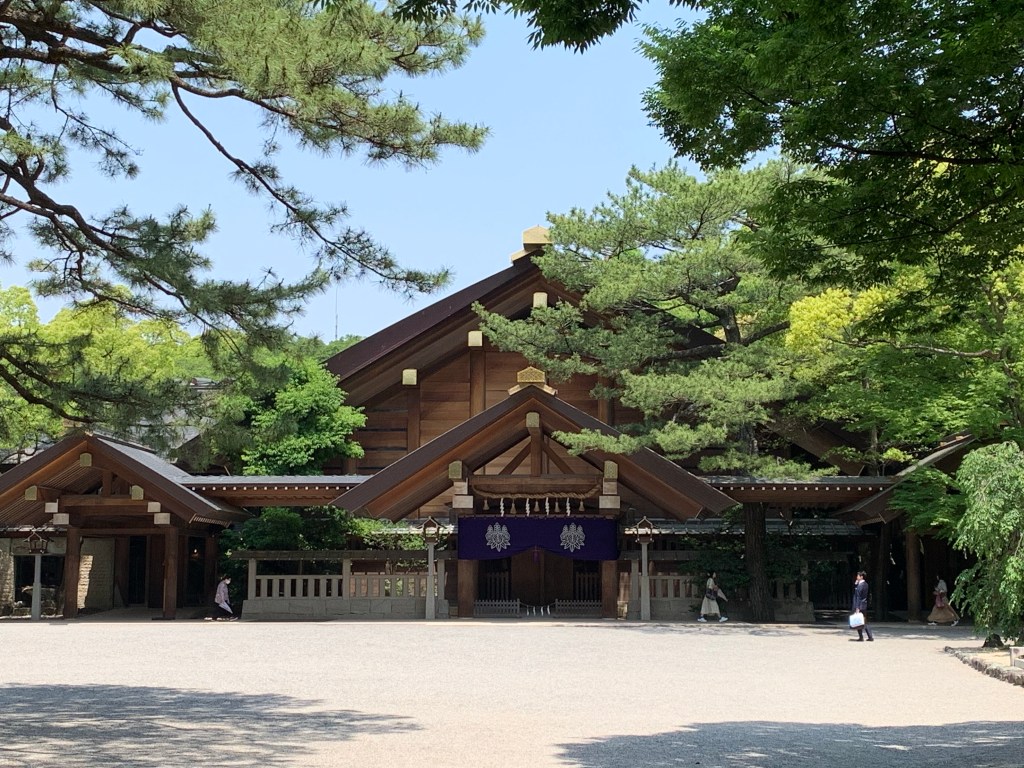
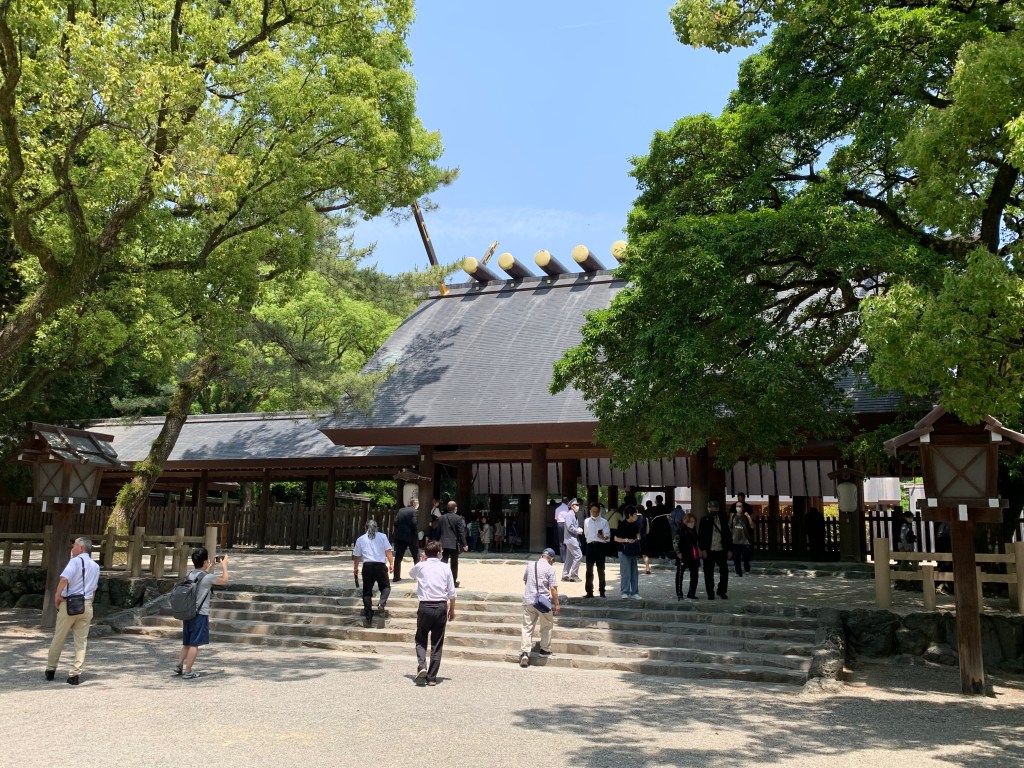
Todays main activity is the battlefield of Sekigahara, but in the morning I took a quick trip to Nagoya’s biggest shrine, Atsuta Jingu.

As the shrine’s website says, “The enshrined deity Atsuta-no-Ookami is Amaterasu-Oomikami as represented by the sacred sword Kusanagi-no-tsurugi, one of the three sacred treasures that symbolize the Imperial throne.” Now, one of the things about the three sacred treasures is that almost no one ever sees them. Rather, the shrine is a large, forested grounds with shrine buildings rebuilt in Meiji era in the style of Izumo Taisha, itself a very important shrine.

More on the shrine can be found here: https://www.atsutajingu.or.jp/en/intro/

Where you interact with the ookami.
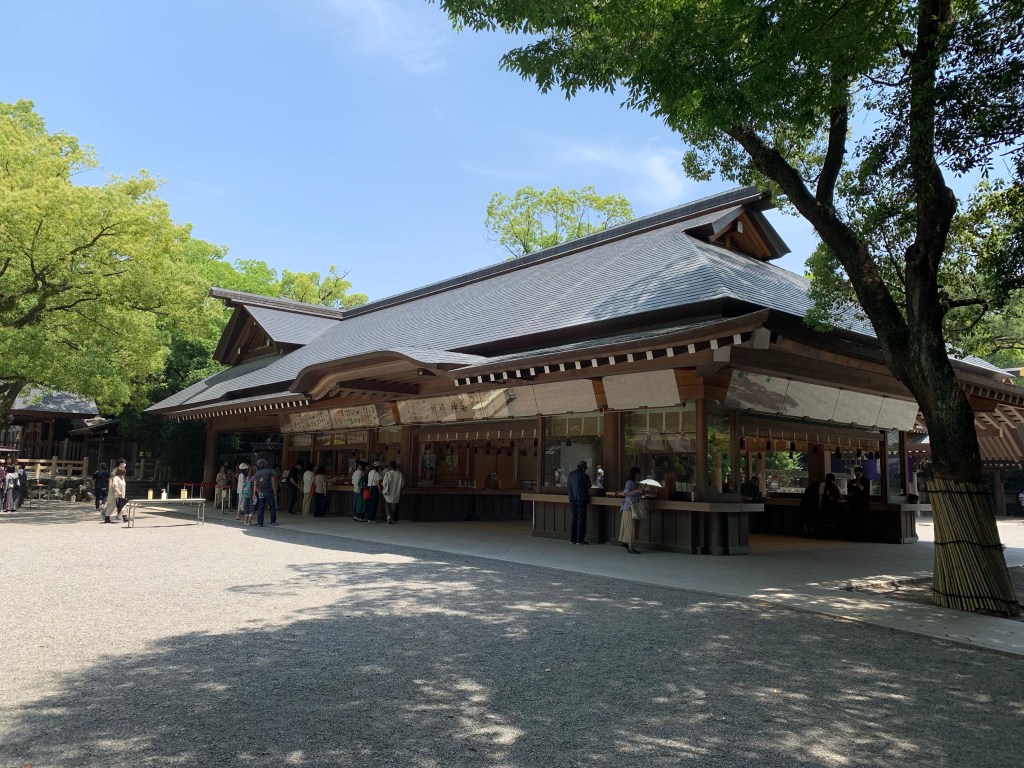
Where you would get fortunes and buy charms.
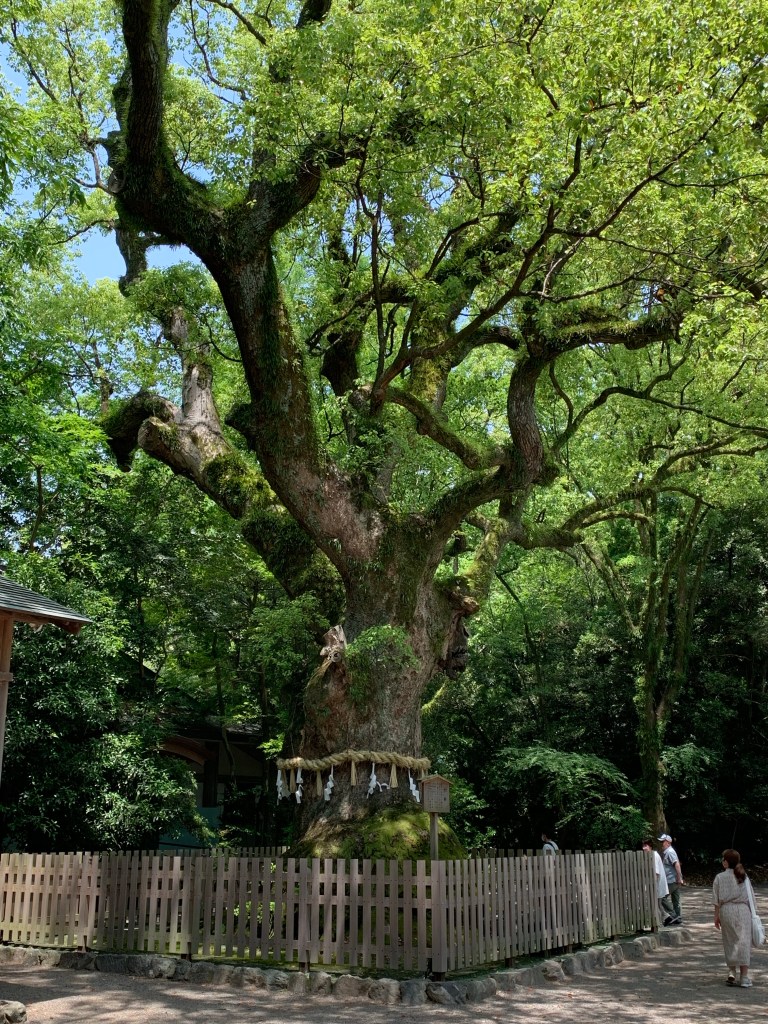
Sacred tree
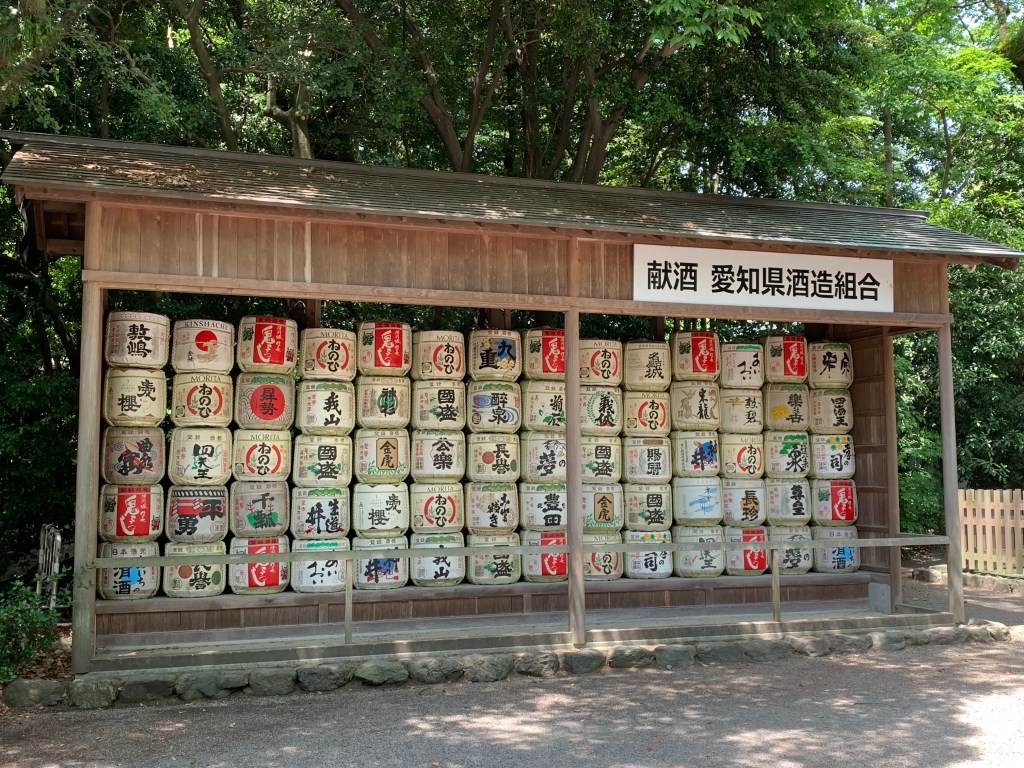
Sake barrel offerings
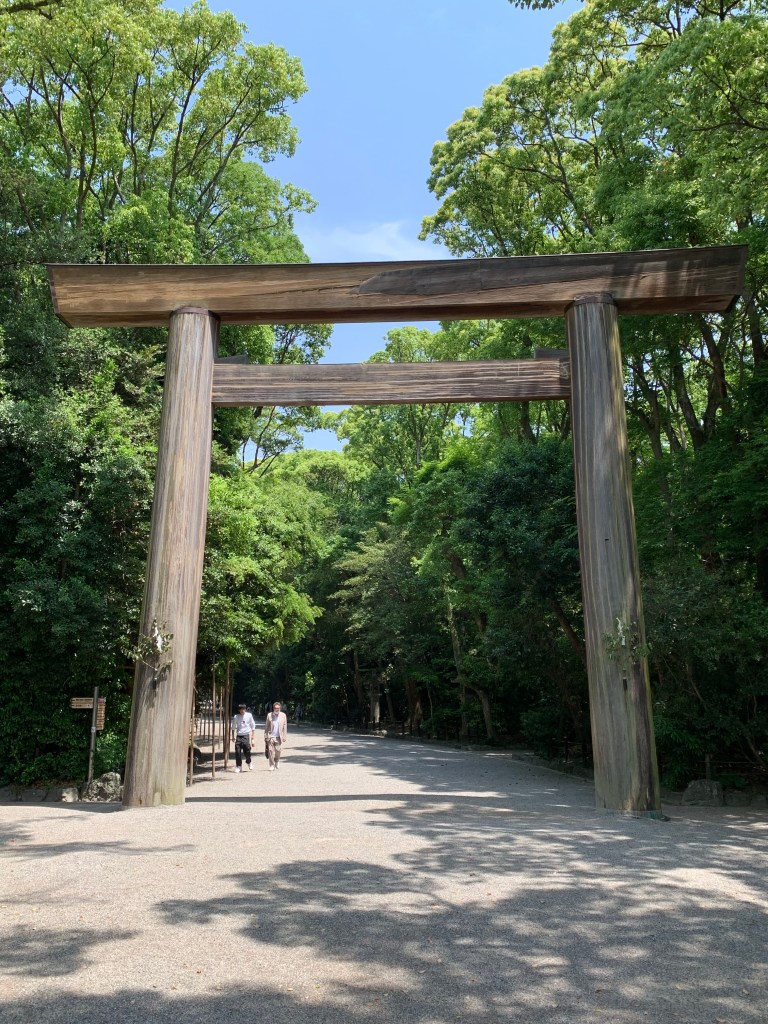
The entrance torii gate.

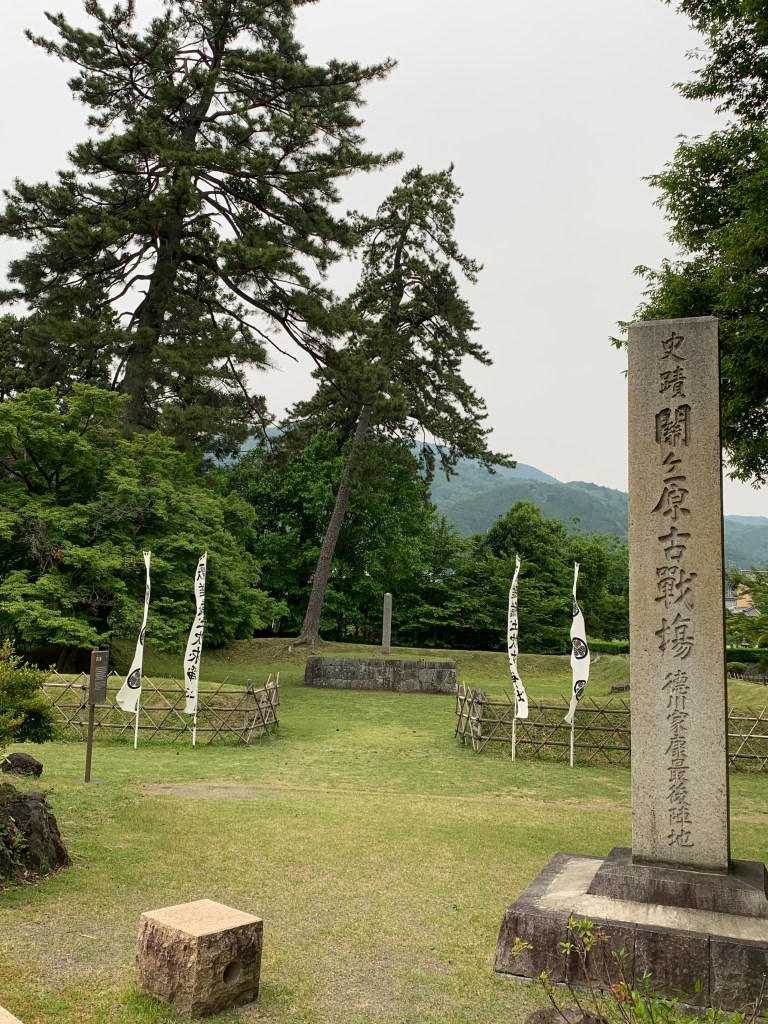
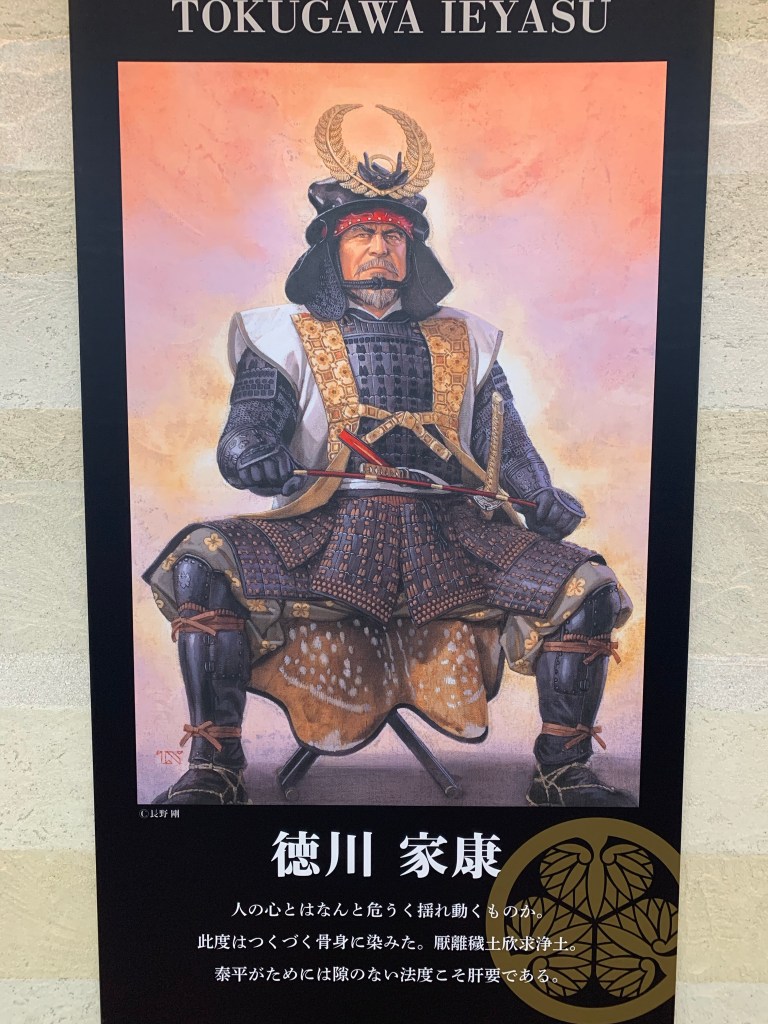
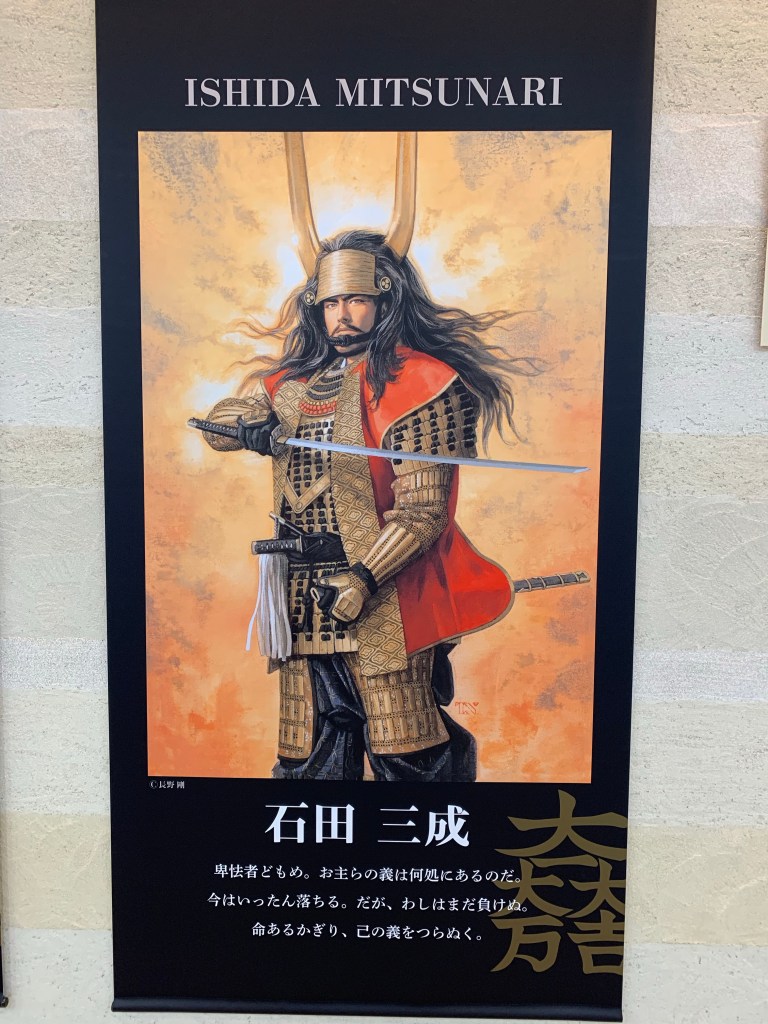
Having honored the ookami-sama, it was on to Sekigahara. Sekigahara means “valley of the crossroads”, because a couple ancient roads intersected here. And that’s why this important battle happened here – Tokugawa Ieyasu (and allies) were headed to Kyoto to “convince” the emporer to make him Shogun, while Ishida Mitsunori was trying to stop him and preserve the inheritance of almost-but-not-quite-Shogun Toyotomi Hideyoshi’s infant son.

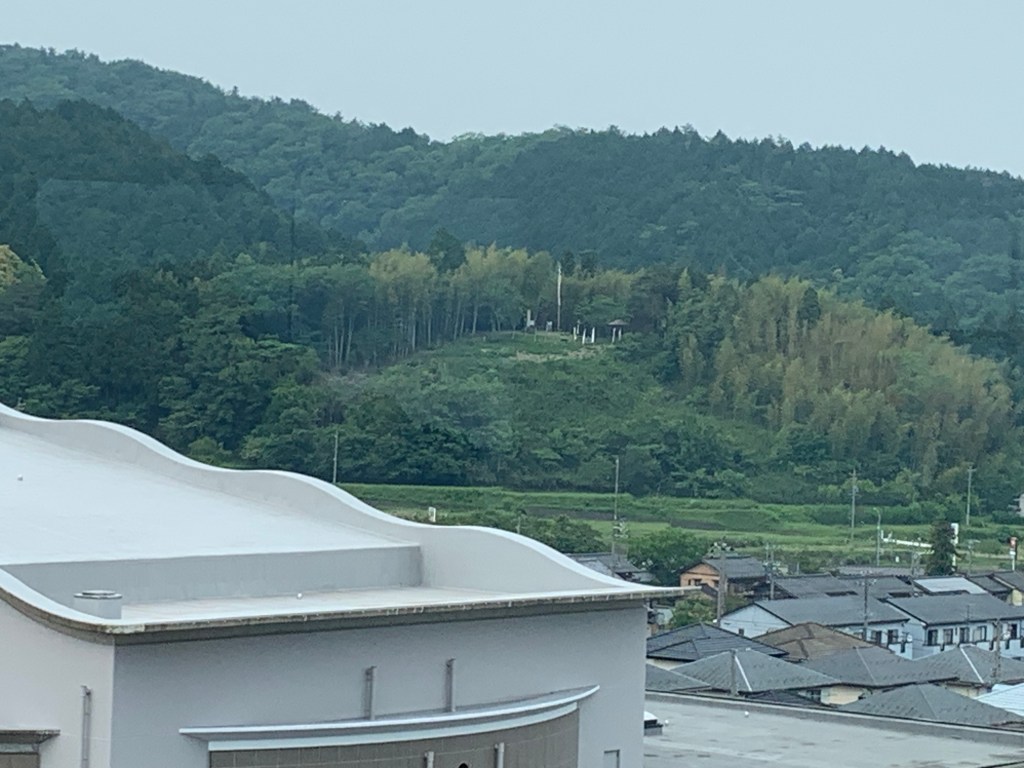
The museum at Sekigahara does an excellent job laying out the battle and creating vivid characters of the generals to help ground you in what went on and why. It also has a hands-on section where you can feel how heavy the weapons were. From the observation deck you can see the whole valley and pick out where the various camps were.

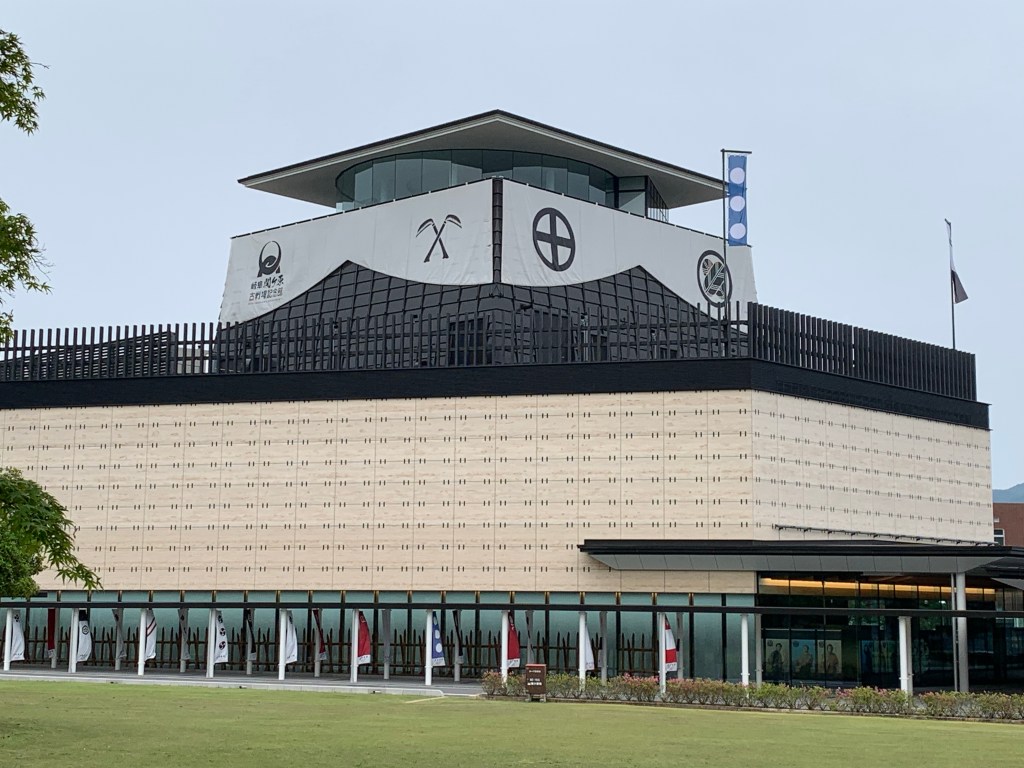
Sekigahara museum. Note the observation deck, and clan insignia.
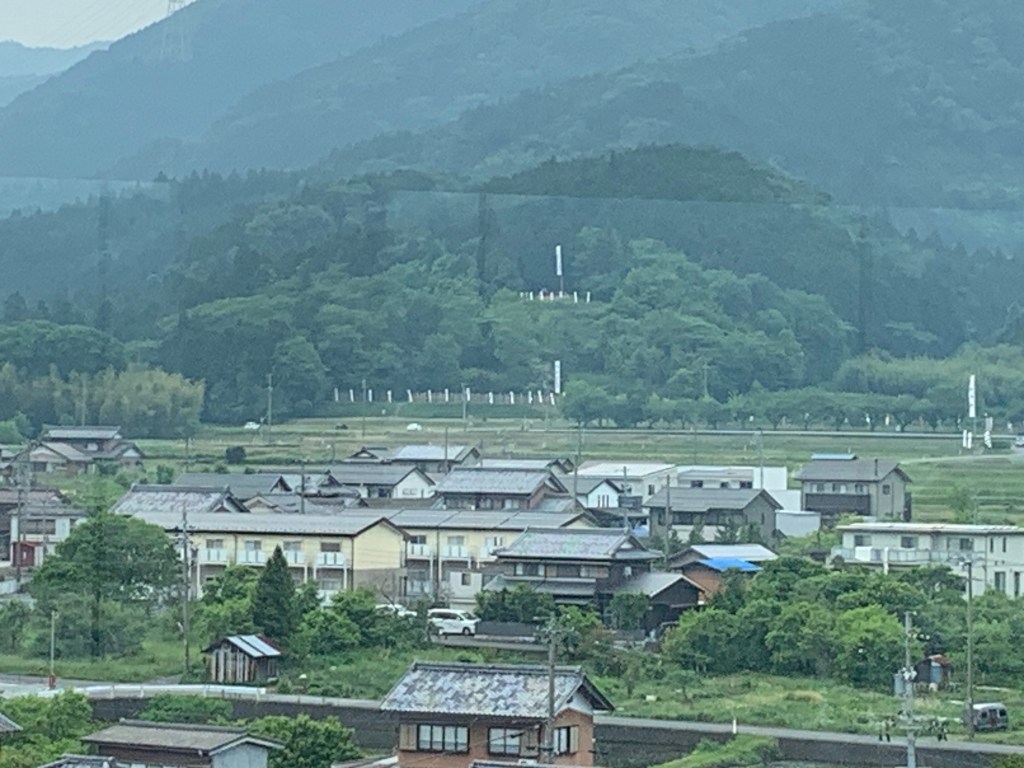
The white flags indicate the camp of Ishida, the defender.
Flags indicate the camp of Kuroda, Tokugawa’s main strategist.
Where Tokugawa inspected the heads of the defeated.

Though we didn’t get out into the valley much, we came away with a profound sense of “history happened here” much like visiting Gettysburg.

Not everything goes smoothly, but it goes.

Generally I do pretty well navigating the trains in Japan, but today, well, was not a banner day.

According to google directions, to get to Ogaki from Nagoya you take the Tokaido line. It’s a major line, and Ogaki isn’t far, so I nonchalantly figured I’d just jump on a local on that line, no problem.

Checking the signboard, a Tokaido local train was on track 2, so that’s where I went. But as I was listening to the announcements, it said the incoming train was bound for “Toyohashi and Gamagori.” Gamagori? I know where that is only because I have a copy of a travel order to Hotel Gamagori from back when my dad was stationed here in the army, and it’s in exactly the opposite direction from where I want to go. Oops.

Usually, the same train in the opposite direction is just one platform over. But the next platform was also headed to Toyohashi and Gamagori. What??

Well, there are lots of platforms here, so I just kept walking and eventually found a platform for Tokaido line to Gifu and Ogaki, and got on a local train. Done.

That went well enough, except when I got to Gifu, a lot of people got on and started flipping the seat backs to face the other direction. What’s going on? Then an announcement came on that the train was bound for Toyohashi (again??) and I noticed that the departing train on the other side of the platform said “Ogaki”. Sigh.

Fortunately I had time to get off of that train, and it was a short wait for the local to Ogaki, where I arrived without further incident.

In hindsight, I should have paid more attention to *which* train went from Nagoya to Ogaki, local or express. If I’d noted the deprture time goigle provided that would have solved that.

But on the other hand, it all worked out in the end. I was on the right line, and with a JR pass, I could take as many trains as I needed and I’d get there eventually.

Design a site like this with WordPress.com
Get started